Assistive ambulation devices for the ankle can bolster walking speed and safety and lessen the risk of injury to the joint. But which of 2 technologies is best for your patient?
By Hank Black

Lower Extremity Review

Assistive ambulation devices for the ankle can bolster walking speed and safety and lessen the risk of injury to the joint. But which of 2 technologies is best for your patient?
By Hank Black
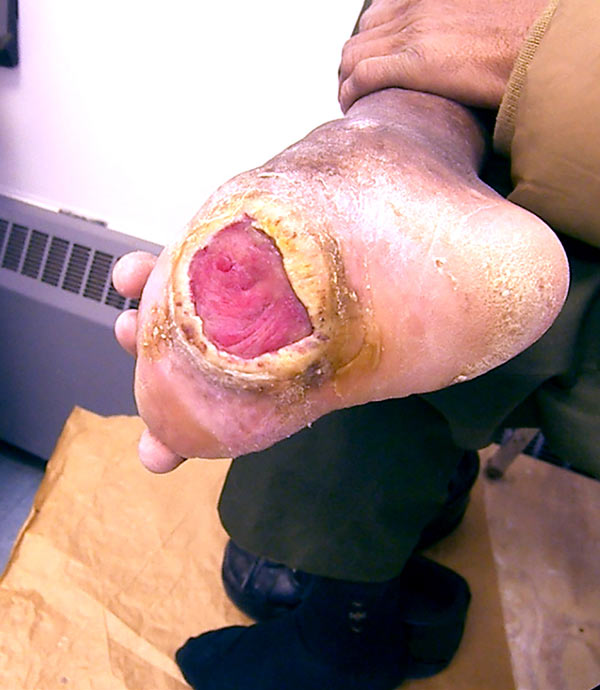
Diabetic foot ulcers pose life-threatening risks to patients with diabetes. Offloading of high pressure areas of the foot is key to successful treatment. We review various methods here.
By James McGuire, DPM, PT, LPed, FAPWHc, and Tyler Coye, BA

Functional rehabilitation training protocols typically consist of stability and postural control exercises aimed at recovering from the proprioceptive defect that occurs after an ankle injury and preventing recurrent sprains by improving stabilometric results.
By Audris Tien, DPM, Jarrod Shapiro, DPM, FACFAS, FACFAOM, Jonathan Labovitz, DPM, FACFAS, CHCQM

Equinus is the primary mechanical cause of acquired non-traumatic foot and ankle pathology—plantar fasciitis, AT, and MSS—in running sports. The three most common lower-extremity overuse injuries among those who participate in running-related sports such as basketball have all been linked to the…
By Patrick A. DeHeer, DPM, FACFAS, FASPS, FFPM RCPS (Glasg)
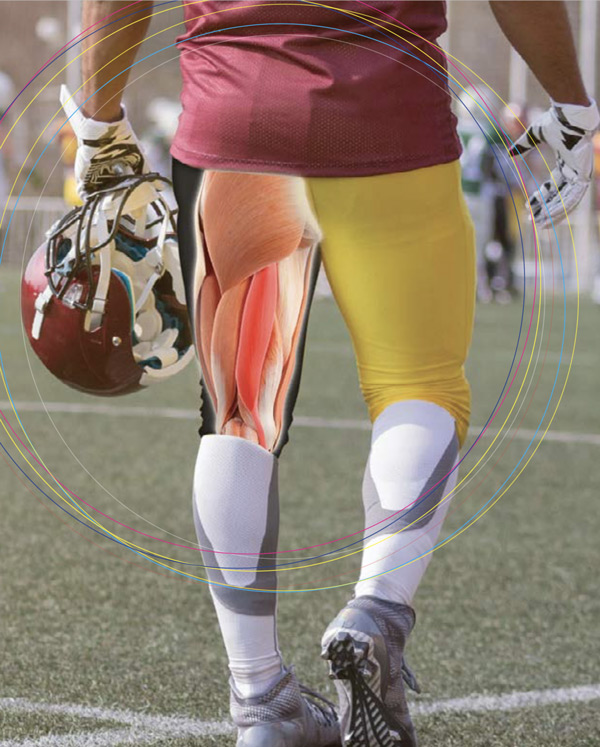
High relapse rate from preseason injuries presents significant challenge for athletes and sports teams. Hamstring strain injuries are among the most common in sports, often leading to recurring problems or future injury. Marcus Elliott, director of P3 Applied Sports Science and a former muscle-injury specialist for the National Football League’s New England Patriots, conducted…
By Keith Loria
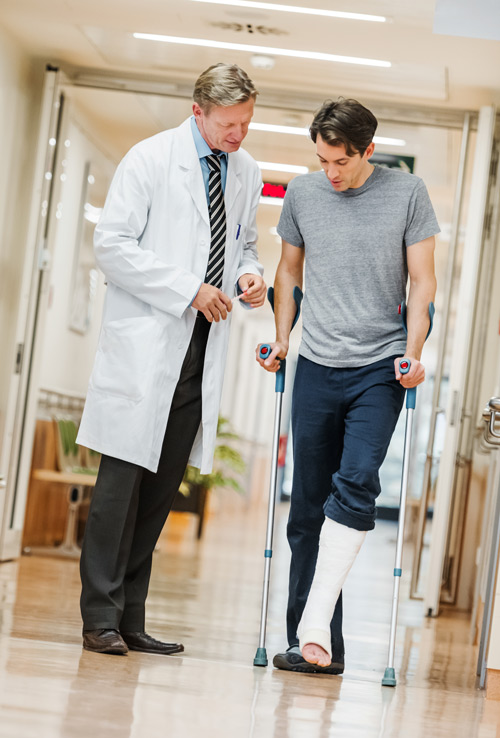
Too much? Or not enough? New biofeedback tools help patients with lower-limb fracture in their struggle to understand how much weight to bear on an injured limb. Clinicians whose patients have a lower-limb fracture are faced with a paradox: whether or not to instruct them to place weight on the healing fracture.
By Jill R. Dorson
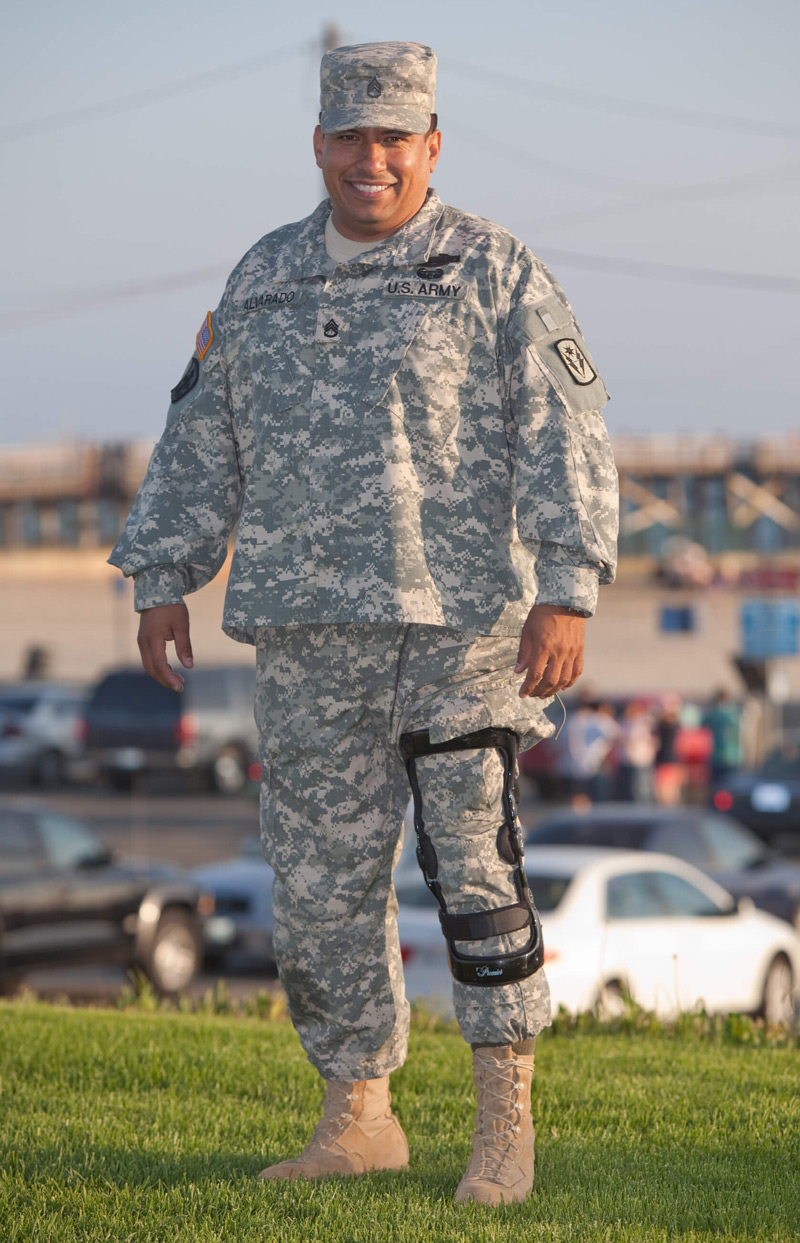
Osteoarthritis is among the leading causes of disability in the United States, costing billions of dollars each year in lost work hours, treatments, and doctor visits, and leaving people sidelined from day-to-day activities. That problem is mirrored and amplified in the military, a unique segment of the population that relies heavily on physical fitness and ability.
By Nicole Wetsman
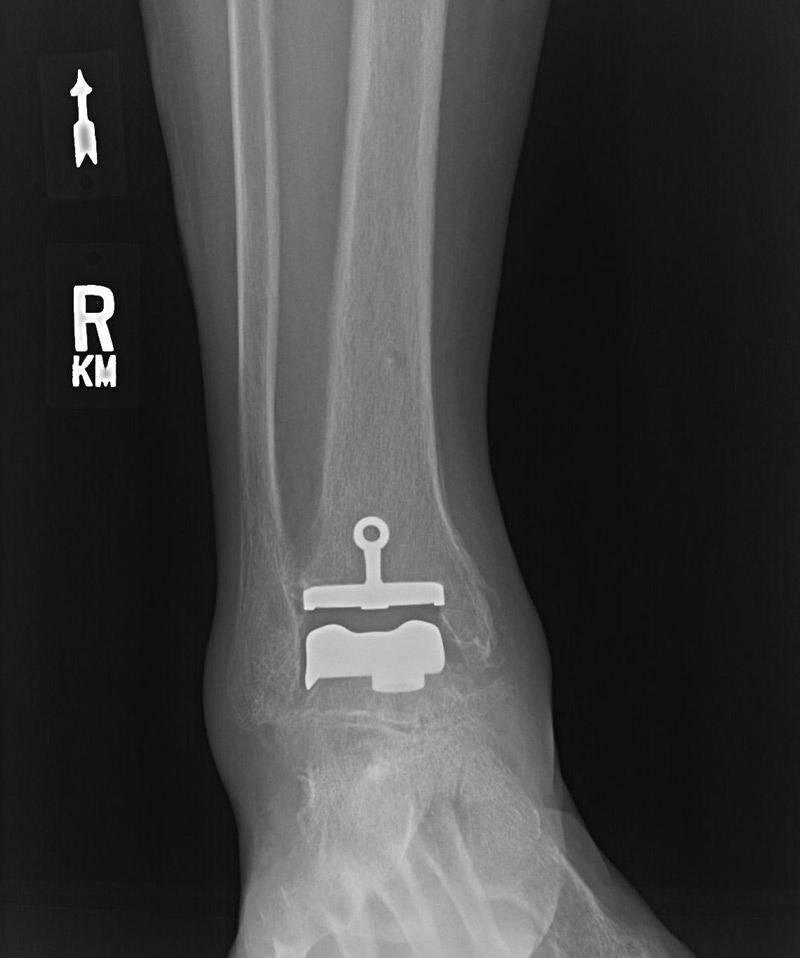
End-stage arthritis of the ankle joint affects more than 50,000 people in the US. When conservative treatments do not provide enough relief, surgical options should be considered. Patient selection is key when choosing between ankle arthrodesis (fusion) and total ankle arthroplasty (replacement).
By Vicki Foerster, MD, MSc
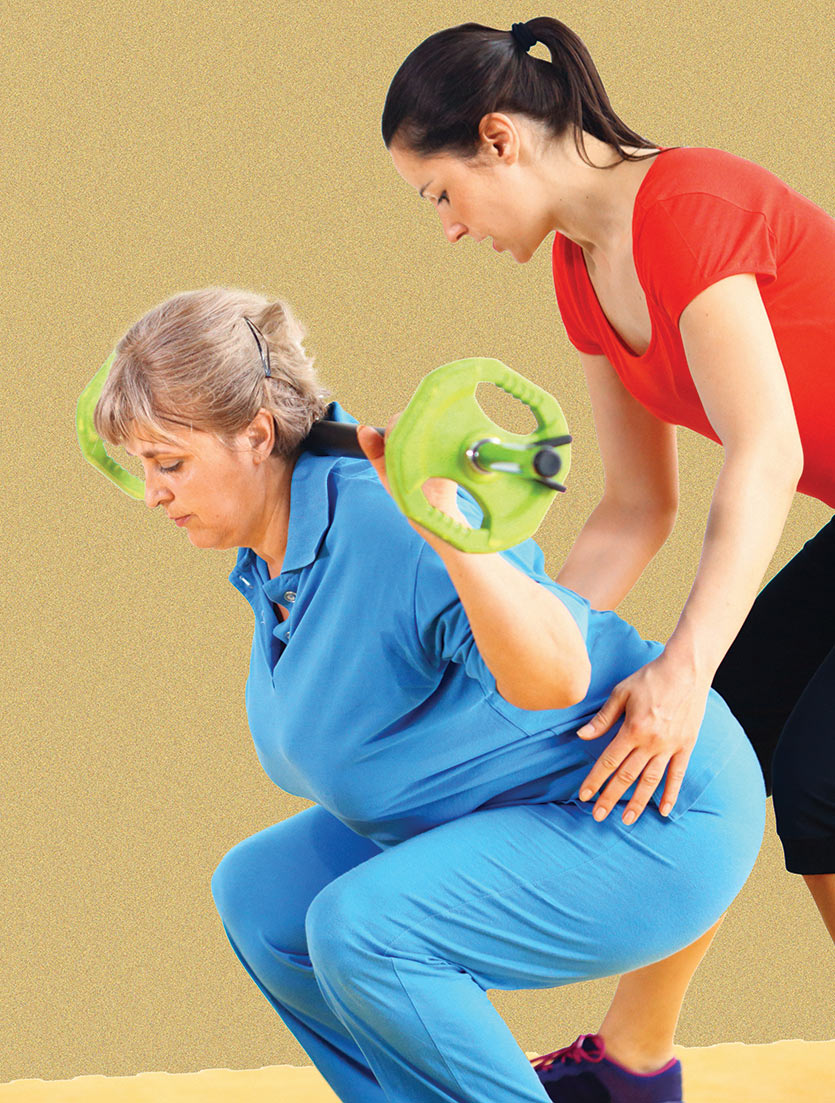
Most physical therapists maintain that resistance training is beneficial to patients with knee osteoarthritis, but evidence from trials that have been designed with consistency is lacking. Experts discuss how to create an effective regimen given this information vacuum.
By Jill R. Dorson
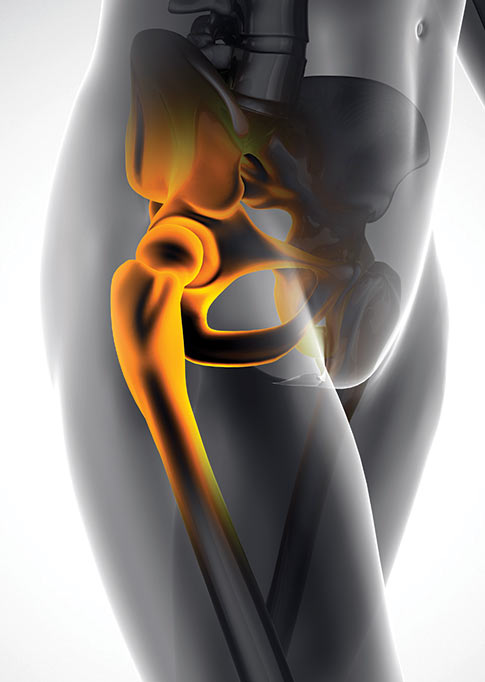
Although clinicians and researchers have been gathering data for the use of gait therapy in patients with knee OA for some time, its use in hip OA is less far along, but shows promise. Does correcting for gait abnormalities have a role in the treatment of hip osteoarthritis (OA)?
By Nicole Wetsman
We might be falling short in our efforts to prevent ACL injury by allowing athletes to focus on how they are moving during screening. Almost 8 million athletes participate in high school sports each year in the United States, and an additional 490,000 compete at the intercollegiate level.
By Sarah Marie Tighe, SPT, and Thomas Gus Almonroeder, PT, DPT, PhD

2018 is shaping up as a breakthrough year for 3D printing in orthoses, as the industry moves from promise to reality. Experts agree: Three-dimensional printing will deliver custom clinical products, designed for individual patients at an affordable price.
By Keith Loria
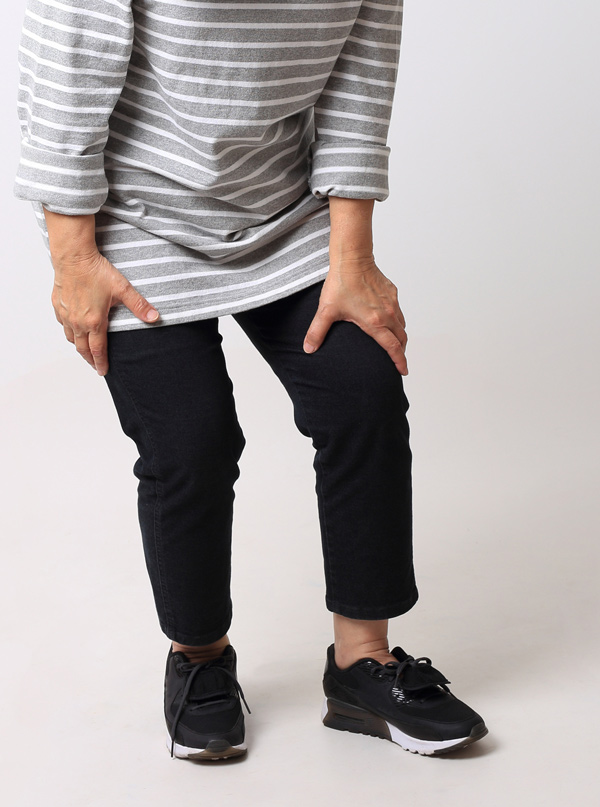
Clinical studies have demonstrated that properly fitted footwear may alleviate knee pain resulting from osteoarthritis or other joint disease processes, while the wrong shoe can exacerbate the condition. How can practitioners help patients with knee pain make the distinction?
By Keith Loria

Unattractive therapeutic devices do not benefit patients if they won’t wear them. Leading practitioners discuss how, over the past decade, manufacturers have made significant strides in turning the solely functional into the truly fabulous.
By Jill R. Dorson

In diabetes, assessing the mechanical properties of the patient’s soft tissues and the properties of footwear and orthoses comes before drafting a management plan.
By Nachiappan Chockalingam, PhD

Join
Stay in the loop with the latest news and updates! Subscribe now to receive exclusive content, special offers, and important announcements straight to your inbox. Don’t miss out – join our community today for all the latest updates delivered directly to you.