Dyslipidemia’s effect on diabetic neuropathy

Dyslipidemia’s effect on diabetic neuropathy

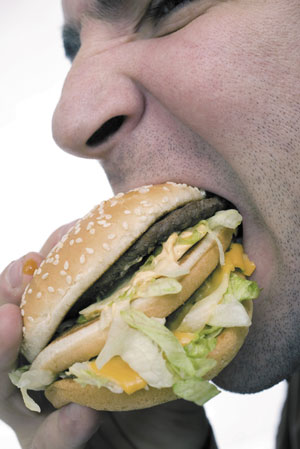
The importance of glycemic control in patients with diabetes is well known. But neurological studies suggest that dyslipidemia is actually a more significant contributor to the development of peripheral neuropathy in the same patient population.

by Andrea M. Vincent, PhD, Lucy M. Hinder, PhD, and Eva L. Feldman, MD, PhD

read more
Fighting fatigue

Fighting fatigue

As a growing body of research supports the idea that fatigue contributes to sports-related injury, investigators are now working to identify those athletes who may be most vulnerable to the effects of fatigue and interventions that could counteract those effects.

read more
Charcot and limb loss

Charcot and limb loss

Ulcer prevention is the key to amputation prevention in patients with Charcot arthropathy, according to research from Chicago that raises the question of whether pre-emptive surgical correction of deformities is warranted in Charcot patients.

read more
Investigators examine biomechanical effects of carbon composite devices

Investigators examine biomechanical effects of carbon composite devices

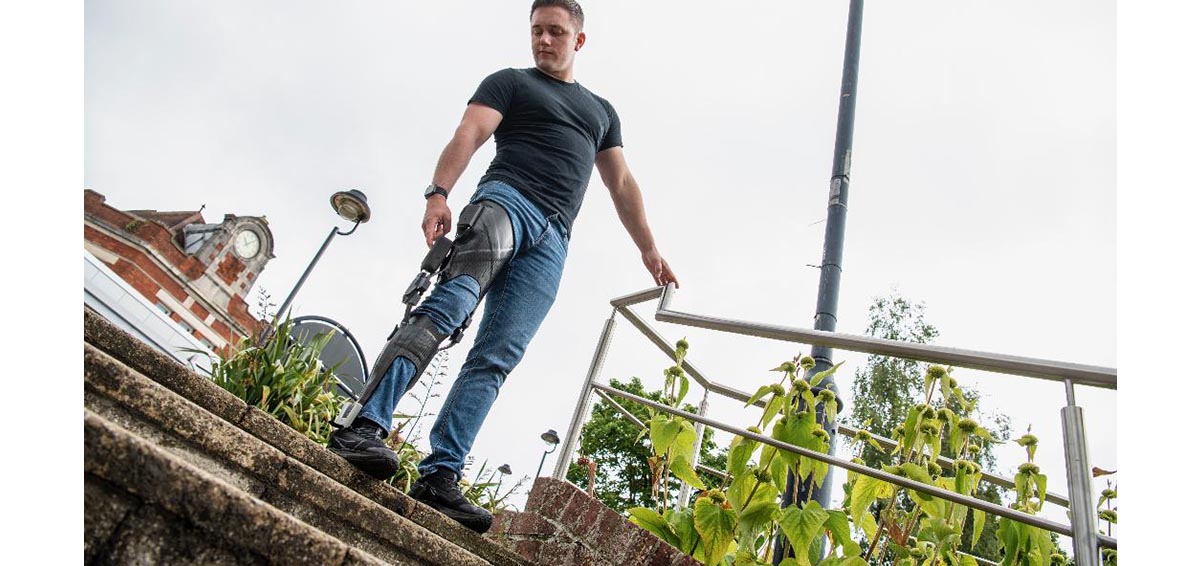
AFOs must find energy balance – The extent to which carbon composite ankle foot orthoses improve gait efficiency in stroke patients may be a function of walking speed, according to a Swedish study. And despite the fact that the devices are known for their energy storage, research from the Netherlands suggests that the relationship between energy storage and energy cost may be complicated.

read more
Obesity impairs children’s response to orthotic therapy for flexible flatfoot

Obesity impairs children’s response to orthotic therapy for flexible flatfoot

Is earlier intervention needed? Researchers and clinicians are only beginning to understand the relationship between pediatric flexible flatfoot and obesity, which becomes even more complicated in the context of orthotic treatment. Findings from Hong Kong appear to throw another wrinkle into the mix, suggesting that obese children are significantly slower to respond to orthotic therapy than their normal-weight counterparts.

read more

Join

Subscribe For Updates

Stay in the loop with the latest news and updates! Subscribe now to receive exclusive content, special offers, and important announcements straight to your inbox. Don’t miss out – join our community today for all the latest updates delivered directly to you.