









 By Robert G. Smith, DPM, MSc, R.Ph.
Learning Objectives
Participants completing this course will be able to:
- Identify and understand pharmacovigilance and adverse effects reported for the 200 most frequently prescribed and dispensed therapeutics associated with fall-induced injuries;
- Evaluate comparisons of recently published investigations and literature concerning odds ratios for predicting fall injuries and the implications for the podiatric physician; and
- Provide practical strategies to prevent fall injuries resulting from modifiable extrinsic factors through patient education and appropriate interventions.
Introduction
 Wild et al. defined “fall” as “an unintentional change in position resulting in coming to rest at a lower level or on the ground.”1 Falls and fall-induced injuries among older individuals represent a worldwide problem with substantial clinical and public health implications. More than 14 million U.S. adults aged 65 years or older report falls annually, leading to significant morbidity, mortality, and healthcare expenditures. Farley reported that more than 41,000 individuals older than 65 years died from falls.2,3 Furthermore, the Centers for Disease Control and Prevention (CDC) indicates that more than 1 in 4 older adults fall each year, resulting in 3.6 million emergency department visits, 1.2 million hospital stays, and $80 billion in medical costs.4 Notably, the mortality rate for falls among older adults in the U.S. has more than tripled over the past 30 years, while death rates due to falls have decreased in other high-income countries.2,5 This surge in fall-related deaths in the U.S. reflects a new phenomenon.2 Falls may occur when healthcare professionals fail to assess underlying risk factors that contribute to these events. Moreover, podiatric physicians and surgeons recognize that falls following foot and ankle surgery are a common concern, particularly in the first six weeks postoperatively.6,7 Studies have shown that a significant percentage of patients experience falls during this period.6,7 Individuals with chronic foot pathologies may have an increased risk due to decreased power, deformity, or neuropathy.6 Alexander et al. assert that patients with hindfoot pathology had the highest risk of falling preoperatively.6 Additionally, they observed that patients with forefoot and hindfoot pathologies experienced the most falls before surgery.6 Research has documented that postoperatively, patients with midfoot pathologies had the highest frequency of falls, with 35% experiencing at least one fall within the two-week period after surgery.6 The midfoot cohort also experienced the most falls postoperatively, averaging 0.50 falls. Finally, all patients completed a Johns Hopkins fall risk assessment preoperatively, with scores of 6.32, 4.70, and 6.96 for forefoot, midfoot, and hindfoot pathologies, respectively.6
| Woolcott et al, 2009 | Seppala et al, 2018 | Colón-Emeric et al, 2024 | ||||
|---|---|---|---|---|---|---|
| Participants | 79,081 | 2,322,278 | ||||
| Odds Ratio | CI 95% | Odds Ratio | Cl 95% | Odds Ratio | CI 95% | |
| Antihypertensives | 1.24 | 1.01-1.50 | 1.38 | 1.19-1.56 | ||
| Diuretics | 1.07 | 1.01-1.14 | 1.36 | 1.17-1.57 | 1.58 | 1.52-1.65 |
| Beta-Blockers | 1.01 | 0.86-1.17 | 0.88 | 0.80-0.97 | 0.96 | 0.87-1.06 |
| Sedatives-Hypnotics | 1.47 | 1.35-1.62 | 2.05 | 1.95-2.15 | ||
| Neuroleptics/Antipsychotics | 1.59 | 1.37-1.83 | 1.54 | 1.28-1.85 | 2.3 | 1.24-4.26 |
| Antidepressants | 1.68 | 1.47-1.91 | 1.57 | 1.43-1.74 | 1.48 | 1.24-1.77 |
| Benzodiazepines | 1.57 | 1.43-1.72 | 1.42 | 1.22-165 | ||
| Narcotics-Analgesics | 0.96 | 0.78-1.18 | 1.42 | 0.91-2.23 | 1.51 | 1.15-1.91 |
| NSAIDs | 1.12 | 1.01-1.44 | 1.09 | 0.96-1.23 | 1.31 | 1.11-1.55 |
| Antiepileptics | 1.55 | 1.25-1.92 | 2.55 | 1.84-3.52 | ||
| Digoxin | 2.06 | 1.56-2.74 | 2.06 | 1.56-2.74 | ||
| Polypharmacy | 1.75 | 1.27-2.41 |
While fall injuries can have multiple and diverse etiologies, they generally share similar risk factors and frequently result from the cumulative effects of impairments across multiple systems. Therefore, podiatric physicians need an analytical approach to addressing this complex problem, considering the most likely causes, contributing factors, and associated comorbidities of falls. Colón-Emeric et al. observed in their review that falls result from age-related physiological changes compounded by multiple intrinsic and extrinsic risk factors.8 Podiatric physicians have a duty to recognize that major modifiable fall risk factors among all their patients, especially older adults, include gait and balance disorders, orthostatic hypotension, sensory impairment, medications, and environmental hazards.8 Because the causes of fall events and injuries are complex, there is an emerging need to identify the risk of drug-induced falls. Smith reported that adverse effects associated with the 200 most frequently prescribed medications in 2000 could cause fall injuries.9 The research aimed to document 448 adverse effects that were identified and organized into 13 broad categories representing drug-induced changes in the nervous, circulatory, and muscular systems.9 These changes were reported for 157 of the medications reviewed (92.9%) and could result in fall injuries.9 The accompanying list of medications intended to serve as a ready reference for podiatric physicians and other healthcare professionals when monitoring and counseling patients regarding the potential for medication-induced fall injuries, which are especially common in the elderly population.9 The published research, narrative, and accompanying list are now 25 years old, which may be considered outdated since both prescribing and dispensing therapeutics is constantly evolving. Given the author’s specific focus on pharmacovigilance for podiatric physicians, the present narrative aims to summarize current research, 25 years after the original publication, on the 200 most frequently prescribed medications in 2023 that may cause fall injuries, including medications designated as Fall-Risk-Increasing Drugs (FRIDs).10 The methodology and results will be presented through data, definitions, determinants, and literature comparisons in both narrative and graphical formats. Second, strategies and tools will be introduced to assist podiatric physicians in proactively preventing medication-induced fall injuries. Finally, the role of the podiatric physician within the multidisciplinary, interprofessional team in preventing fall injuries will be highlighted, with emphasis on the significance of multifaceted podiatric interventions.
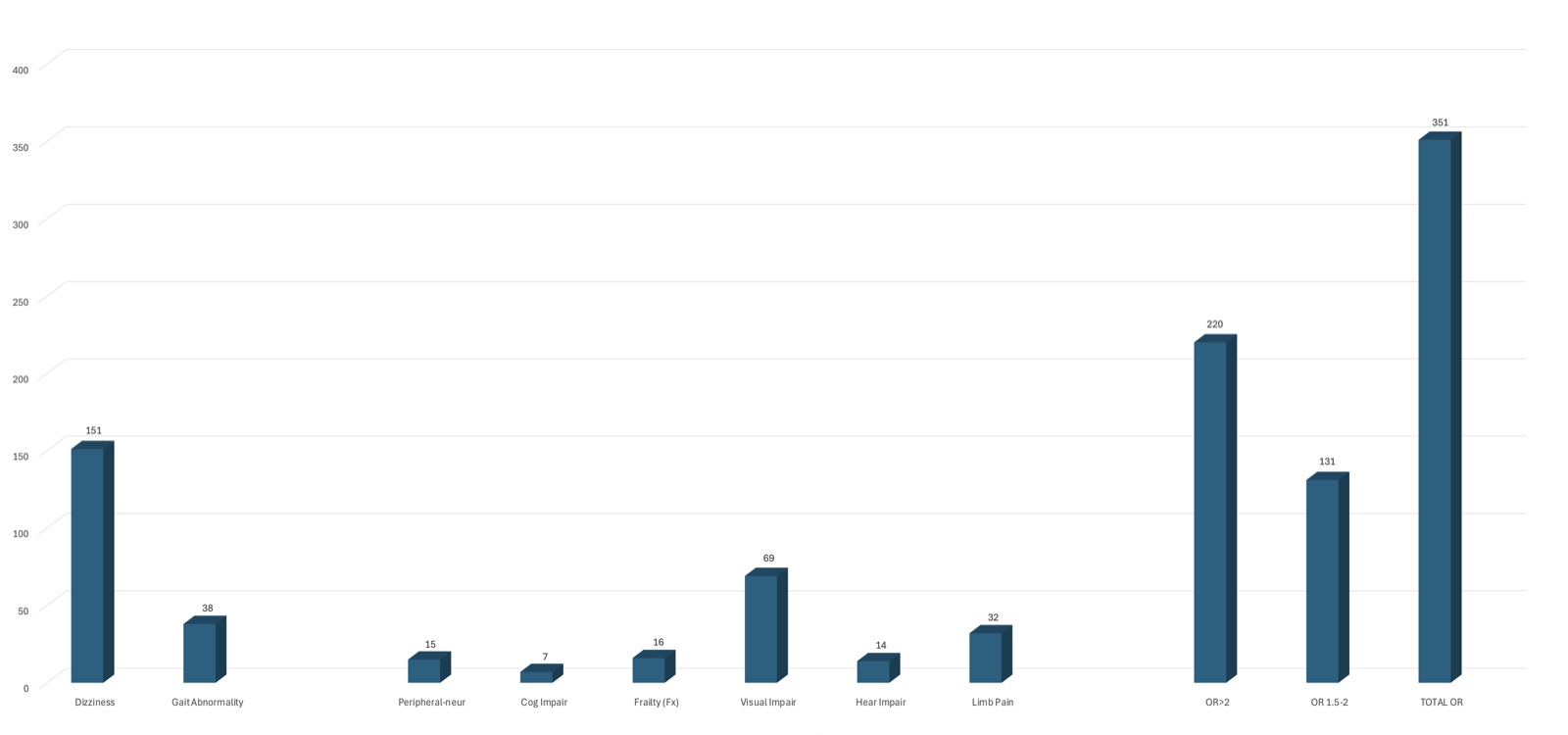
Figure 1: Number of Medications with Fall Risk Adverse Effects (N=177)
Process
Definitions:
Pharmacovigilance is the science and activities related to the detection, assessment, understanding, and prevention of adverse effects or any other drug-related problems, aimed at ensuring patient safety and optimizing the benefits of pharmaceutical products.
Frailty is a clinically recognizable state of increased vulnerability resulting from age-associated decline in reserve and function across multiple physiological systems, such that the ability to cope with every-day or acute stressors is compromised.
Sarcopenia is the age-related decline in skeletal muscle mass concomitant with decreased strength and/or function.
FRIDs are medications that can significantly elevate the risk of falls, particularly in older adults, and include various classes of drugs such as sedatives, antidepressants, and antipsychotics.11,12 These medications are associated with an increased likelihood of falls and fall-related injuries and may cause side effects such as dizziness, sedation, confusion, and orthostatic hypotension, all of which contribute to fall risk.11,12
Odds ratio (OR) for fall risk has been extensively studied, with various factors contributing to the risk of falls. In a pharmacovigilance study, a total of 208,849 reports were considered, with 34,840 fall events and 1,898 drugs detected as being associated with fall incidence in older patients.11 Zhou et al. reported that many drugs were associated with a high risk of falls and emphasized that the risk of drug-induced falls should be considered when optimizing drug therapy in clinical practice. As lower extremity specialists, podiatric physicians may lead the interprofessional team in preventing fall injuries by employing risk avoidance strategies, including identifying medications that may increase fall risk. The key findings are as follows:
Osteoporosis medications: Patients using these medications have significantly higher odds of sustaining more severe injuries from a fall (OR = 3.02, 95% confidence interval (CI): 1.21–7.53).11–13
Frailty: Frailty is associated with a higher risk of falls and has a prevalence of 7%–12% in community-dwelling adults aged ≥ 65 years.11,12
Drug-induced fall risk: Many drugs are associated with a high risk of falls in older patients, with neurological drugs being the most significant group.11–13
Multiple risk factors: The greater the number of risk factors, the greater the likelihood of falling. Healthcare providers can reduce fall risk by addressing or minimizing modifiable risk factors.11–13
Determinants:
The medications selected for review were the 200 most frequently prescribed drugs in 2023, listed by generic name according to the ClinCalc DrugStats Database, which collects data from 3 billion outpatient prescription fills per year.14 A literature review was conducted to identify adverse effects attributed to these medications that may cause patient fall injuries and their prevalence rates. The data obtained were primarily qualitative and based on reports in the current compendium, recent journal articles, drug package inserts, and an electronic database.9,15–20 Current literature sources were consulted to resolve conflicting information presented in the reference materials. Risk factors for falls can be intrinsic or extrinsic to the patient.8 The common intrinsic risk factors for fall injuries, stratified by OR as described by Colón-Emeric et al., were used to develop categories for major and moderate risk factors.8 According to Colón-Emeric et al., major risk factors (OR > 2) for two or more falls within 6–12 months are generally related to neurologic diseases—peripheral neuropathy, cognitive impairment, gait abnormality, and dizziness—which were selected as reportable categories.8 Furthermore, other moderate risk factors (OR > 1.5) included visual and hearing impairment, pain, and frailty.8 These eight risk factors were used to categorize drug-related adverse effects associated with the 200 most frequently prescribed and dispensed medications for 2023. Both low and high body mass index (BMI) are hypothesized to increase fall risk because of associated sarcopenia, while obesity may also increase fall risk through impaired postural stability and deconditioning due to decreased physical activity.8
Data:
The 200 most frequently prescribed medications for 2023 were reviewed for the adverse effects in eight categories associated with the potential to induce fall injuries. During the review, duplicate single-ingredient products were identified because some medications were listed as combination products. The investigator reviewed and counted these medications within the total of 200 medications listed by generic name.13
The adverse effects were classified into eight categories: four categories associated with an OR > 2 for dizziness, gait abnormality, peripheral neuropathy, and cognitive impairment and four categories associated with an OR of 1.5–2 for frailty, visual impairment, hearing impairment, and limb pain. Six medications were identified as having a specific “Fall or Fall Injury” warning listed as an adverse effect in their drug monographs: Methocarbamol, Oxybutynin, Pramipexol, Sacubitril-Valsartan, Sildenafil, and Zolpidem. The numbers of medications with at least one of the four categories associated with OR > 2 were as follows: dizziness (N = 151, 85.3%), gait abnormality (N = 38, 21.5%), peripheral neuropathy (N = 15, 8.5%), and cognitive impairment (N = 7, 3.95%). The numbers of medications with at least one of the four categories associated with ORs of 1.5–2 were as follows: frailty (N = 16, 9.03%), visual impairment (N = 69, 38.9%), hearing impairment (N = 14, 7.90%), and limb pain (N = 32, 18.1%) Figure 1. Many of the reviewed medications had overlapping adverse effects across categories associated with ORs > 2 and ORs of 1.5–2. The total combined odds risk ratios were N = 351 among the 181 medications presenting at least one of the eight potential adverse effects associated with fall or fall injuries. The categories associated with ORs > 2 accounted for N = 220 (62.7%), while those associated with ORs of 1.5–2 accounted for N = 131 (37.3%). Furthermore, some medications had combined ORs in both OR categories (OR > 2 and OR of 1.5–2), with some presenting four or five of the eight selected potential adverse effects. The medications identified with four potential adverse effects were Alprazolam, Bupropion, Citalopram, Duloxetine, Oxycodone-Acetaminophen, Paroxetine, Ramipril, Risperidone, Ropinirole, Sertraline, Tadalafil, Topiramate, Tramadol, Valproate, and Venlafaxine. The medications identified with five potential adverse effects were Ciprofloxacin, Naproxen, Quetiapine, and Sildenafil. No fall- or fall-injury-related adverse effects were identified for 11.5% (n = 23) of the medications. The distribution of the number of medications with their respective number of fall risk adverse effects is presented in Table 1. Among the 151 medications in the dizziness category, nine had upper limits percentages of experiences ranging from 22% to 41%. Additionally, among the 69 medications that were within the visual impairments category while most adverse effects, particularly “blurred vision” has upper limit percentages of experiences ranging from 2% to 27%. Interestingly, 105 of the medications reviewed in the present investigation were also included in Smith’s 2000 survey.9

Literature Comparisons:
Woolcott et al. conducted an investigation aimed at updating a previously completed meta-analysis regarding the association of medication use and falling, including relevant drug classes and new studies completed since the previous meta-analysis.21 They identified, through a systematic search of English-language articles published from 1996 to 2007, studies that were completed on patients older than 60 years that examined the association between medication use and falling.21 They conducted a meta-analysis to determine the impact of nine medication classes on falls in older adults and determined that the use of sedatives and hypnotics, antidepressants, and benzodiazepines demonstrated a significant association with falls in older adults.21
Eckles’ review of fall risk and podiatric intervention presents important facts and statistics in narratives and graphical formats.2 The review discusses the epidemiology of fall injuries, postural and gait changes associated with fall risk, obesity, footwear, foot pain, and medications as intrinsic and extrinsic fall-risk factors.22 Woolcott et al.’s FRIDs and ORs are presented graphically.22 The assumption that podiatric physicians seldom prescribe medications identified by Woolcott et al. may no longer be true, given the ever-expanding role of podiatric residents and podiatric physicians.21,22
O’Neil et al. conducted a study aimed at evaluating specific medications and patient characteristics as risk factors for falling in a large tertiary care hospital.23 This investigation was a case-control study comparing demographic, health, mobility, and medication data for 228 patients who fell between June 29, 2007, and November 14, 2007, against 690 randomly selected control patients.23 The team used logistic regression to identify fall risk factors.23 This study identified medications and patient characteristics associated with an increased risk of falling in the hospital.23
Seppala et al. conducted a systematic review and meta-analysis.24 They searched Medline, PsycINFO, and Embase using key search concepts and terms “falls,” “aged,” “medication,” and “causality.”24 Studies included in their review investigated nonpsychotropic and noncardiovascular medications as risk factors for falls in participants aged ≥ 60 years or participants with a mean age ≥ 70 years.24 A meta-analysis was performed using the generic inverse variance method, pooling unadjusted and adjusted OR estimates separately.24 They concluded that the two medication classes of opioids and antiepileptics, along with polypharmacy, were significantly associated with an increased risk of falling in the meta-analyses.24 In a separate meta-analysis, Seppala et al. concluded that antipsychotics, antidepressants, and benzodiazepines are consistently associated with a higher risk of falls. It remains unclear whether specific subgroups, such as short-acting benzodiazepines and selective serotonin reuptake inhibitors, are safer in terms of fall risk.25 For completeness, the systematic review and meta-analysis of cardiovascular drugs conducted by de Vries et al., within the EUGMS task and finish group on fall-risk-increasing drugs, which included Seppala et al., is also included.26 These authors concluded that loop diuretics were significantly associated with increased fall risk, whereas beta-blockers were significantly associated with decreased fall risk.26 Digitalis and digoxin may increase the risk of falling, while statins may reduce it.26
Colón-Emeric reviewed risk assessment and prevention of falls in older community-dwelling adults.8 For each fall-prevention intervention, they used search filters developed by the Canadian Agency for Drugs and Technologies in Health to search PubMed, CINAHL, Embase, MEDLINE, and Scopus for English-language articles published after the most recent Cochrane Systematic Review search (January 1, 2018, or 2019) through June 21, 2023. They limited the search to meta-analyses of studies conducted in community-dwelling older adults and randomized clinical trials (RCTs) published after the most recent meta-analysis.8 They identified intrinsic risk factors for falls in older adults by OR category, which were used in the present study because of their ease of comparison and relevance when reviewing medication-induced adverse effects.8,9 They concluded that multifactorial risk reduction based on a systematic clinical assessment for modifiable risk factors may reduce fall rates among those at high risk.8 These findings provide the rationale for the present analysis. Comparisons of odds ratios from medication adverse effects that may cause falls and fall injuries from the above literature are presented in Table 2.
Practical Strategies for Podiatric Interventions
Medication Strategies
Medication reconciliation is vital for preventing adverse events such as falls. Typically, medication reconciliation occurs during care transitions, such as admission or discharge, where medication changes usually occur among patients with polypharmacy. Therefore, podiatric physicians should consider conducting medication reconciliation periodically to reduce the risk of falls among their older patients. Medication reviews have been identified as a key component of fall prevention. Podiatrists, with the assistance of pharmacists, work together to accurately identify all medications currently taken by the patient and consider the appropriateness of each medication, potential or actual adverse drug reactions, and adherence issues. When a medication is identified as nonessential or not indicated, discontinuation should be considered.12 The podiatrist may consider the investigation by Sorock et al. of the association between changes in six medication categories and the risk of falling among nursing home residents.27 The risk of falls was significantly elevated within three days of a central nervous system (CNS) medication change, including the initiation of a new medication, a dosage change, an as-needed medication, or medication discontinuation.27 The risk of falls increased 3.4-fold (95% CI, 1.2–9.5) within 1–3 days following a change in any CNS medication.27 Prescribers of benzodiazepines should be aware that impaired balance, both centrally and peripherally, and delayed reaction time may increase fall risk, particularly during the first 15 days of treatment or following a dose increase.13 The Beers Criteria for Potentially Inappropriate Medication Use in Older Adults, published by the American Geriatrics Society, provide guidance on medications that may be inappropriate for older adults. The AGS 2023 BEERS Pocket Guide provides a useful resource for podiatric residents and physicians.19
Another factor that may influence medication-induced falls is poor medication adherence, which may occur in as many as 40%–50% of community-dwelling elders.12 Lower extremity specialists should be aware of factors that may affect medication adherence, including forgetfulness, lack of interest or knowledge, medication expense, complexity in medication regimens, and limited access to healthcare providers.12 Computerized drug alerts are expected to reduce fall-related injuries in older patients. However, prescribers may ignore most alerts because they believe the benefits of the drugs outweigh the risk.12
Podiatry Evaluations and Interventions
It is recognized that many elderly individuals wear suboptimal footwear, creating an early opportunity for assessment and intervention. Individuals who go barefoot or wear slippers are noted to have an increased risk of imbalance and falls. Footwear also plays a role in the development of foot pain, which is linked to fall risk. Ill-fitting footwear is common among older people and is strongly associated with forefoot pathology and foot pain.28 These findings highlight the need for footwear assessment in managing foot problems in older individuals.28 Podiatric physicians recognize that painful feet, regardless of the cause, may alter gait and increase fall risk. Indeed, foot pain is an independent and statistically significant factor for falls, even after accounting for age and other physiological factors, as reported by Menz.28 A person with foot pain may experience decreased stride length, changes in base of gait, increased sway, increased postural stiffness, and aversion tactics. All of these may contribute to or be independent risk factors for falls.22,29
Podiatrists diagnose and treat a wide range of problems affecting the feet, ankles, and lower limbs, as foot problems are independent risk factors for falls in older individuals.30 Wylie et al. searched multiple electronic databases without language restrictions for randomized or quasi-randomized controlled trials evaluating podiatry interventions in individuals aged 60 years or older to determine whether these interventions prevent fall injuries.30 The review found that multifaceted podiatry interventions and multifactorial interventions involving referral to podiatry significantly reduced fall rates.30
Myers et al. tested their hypothesis that evaluations by podiatrists would lower the incidence of falls.31 They conducted a retrospective chart review of a cohort of patients with diabetes mellitus aged 65 years or older who visited a primary care office between January 1, 2019, and June 30, 2019. The patients were divided into those who had undergone podiatrist evaluations and those who did not.31 Their primary objective was to compare fall events and comorbid medical conditions between the two groups.31 They further compared the associations between risk factors among patients who experienced falls and those who did not.31 Additionally, they found that among their study population, patients who experienced falls had higher frequencies of certain comorbidities than those who did not, including coronary artery disease, peripheral arterial disease, dementia, congestive heart failure, carotid stenosis, and syncope.31 They concluded that among elderly patients with diabetes mellitus, there was no significant difference in the incidence of falls between patients who had undergone podiatrist evaluations and those who did not.31
Podiatrists employ various methods to assess an individual’s risk of falling. These include:
- Comprehensive Foot Examination: Identifying deformities, skin conditions, and structural abnormalities in the feet.
- Gait Analysis: Evaluating walking patterns to identify any abnormalities that could contribute to instability.
- Balance Tests: Conducting specific tests to measure balance and strength, such as the Timed Up and Go test.
- Medical History Review: Discussing existing medical conditions, medications, and previous falls.
Podiatrists offer various treatments aimed at improving foot health and stability, including:
- Orthotics: Custom-made shoe inserts can help correct foot alignment and enhance comfort, reducing the likelihood of falls.
- Footwear Recommendations: Guidance on selecting appropriate footwear that provides adequate support and reduces the risk of slipping.
- Physical Therapy: Collaborating with physical therapists to develop strength-training and balance-improving exercises.
- Treatment of Foot Conditions: Addressing conditions such as bunions or diabetic foot ulcers, which can impede mobility.
- Patient Education: Educating patients on foot care, footwear choices, and how to manage their environment to minimize the risk of falls.
Conclusion
Within fall-prevention teams or services, the role of podiatrists can be further enhanced by training other clinical staff to recognize medical factors, such as medication-related adverse effects, that influence postural stability, gait, and balance. Podiatrists should also promote greater awareness of podiatry services and emphasize their roles and responsibilities in fall-injury prevention. Further strategies are needed to enhance the role of podiatrists in fall prevention.
- Wild D, Nayak US, Isaacs B. Description, classification and prevention of falls in old people at home. Rheumatol Rehabil. 1981 Aug;20(3):153–9.
- Farley TA. Risky prescribing and the epidemic of deaths from falls. JAMA Health Forum. 2025 Aug 1;6(8):e253031.
- National Center for Health Statistics, US Centers for Disease Control and Prevention. Underlying cause of death data on CDC WONDER. https://wonder.cdc.gov/ucd-icd10-expanded.html. Accessed September 9, 2026.
- Older Adult Fall Prevention CDC’s Injury Center Uses Data and Research to Save Lives. September 2024. https://www.cdc.gov/falls/pdf/CDC-DIP_At-a-Glance_Falls_508.pdf. Accessed September 9, 2026.
- Kim S, Kim S, Woo S, et al. Temporal trends and patterns in mortality from falls across 59 high-income and upper-middle-income countries, 1990–2021, with projections up to 2040: a global time-series analysis and modelling study. Lancet Healthy Longev. 2025 Jan;6(1):100672.
- Alexander B, Cage BB, Greco EM, et al. Incidence and risk factors of preoperative and postoperative falls for patients with chronic foot pathologies: an institutional prospective study. Foot Ankle Orthop. 2020 Nov 6;5(4):2473011420S00099.
- Andrews NA, Hess MC, Young S, et al. Prevalence and risk factors of postoperative falls following foot and ankle surgery. Foot Ankle Int. 2022 Jul;43(7):891–8.
- Colón-Emeric CS, McDermott CL, Lee DS, Berry SD. Risk assessment and prevention of falls in older community-dwelling adults: a review. JAMA. 2024 Apr 23;331(16):1397–406.
- Smith RG. Fall-contributing adverse effects of the most frequently prescribed drugs. J Am Podiatr Med Assoc. 2003 Jan-Feb;93(1):42–50.
- Lee J, Negm A, Peters R, Wong EKC, Holbrook A. Deprescribing fall-risk increasing drugs (FRIDs) for the prevention of falls and fall-related complications: a systematic review and meta-analysis. BMJ Open. 2021 Feb 10;11(2):e035978.
- Zhou S, Jia B, Kong J, et al. Drug-induced fall risk in older patients: a pharmacovigilance study of FDA adverse event reporting system database. Front Pharmacol. 2022 Nov 29;13:1044744.
- Chen Y, Zhu LL, Zhou Q. Effects of drug pharmacokinetic/pharmacodynamic properties, characteristics of medication use, and relevant pharmacological interventions on fall risk in elderly patients. Ther Clin Risk Manag. 2014 Jun 13;10:437–48.
- Dewey M. Falls and Fall Risk Increasing Drugs (FRIDs) May 20, 2025. https://reach.med.fsu.edu/wp-content/uploads/2025/06/DeweyFallsAndFallRiskIncreasingDrugs.pdf Accessed September 9, 2026.
- The Top 200 Drugs of 2023. ClinCalc DrugStats Database Free U.S. Outpatient Drug Usage Statistics. January 1, 2024. https://clincalc.com/DrugStats/. Accessed September 9, 2026.
- Medications Associated with Falls. DukeHealth. November 2024. https://www.safety.duke.edu/sites/default/files/DukeMoves-TipSheet-Medications-Associated-Falls-Reference.pdf. Accessed September 9, 2026.
- Medication and the Risk of Falls in Older People. NHS Bedfordshire, Luton and Milton Keynes. BLMK ICB Care Home Medicines Optimisation team–January 2023, Review date–January 2025. https://medicines.bedfordshirelutonandmiltonkeynes.icb.nhs.uk/wp-content/uploads/2023/02/Falls-Poster-Final.pdf. Accessed September 9, 2026.
- Priya J. Medications and their potential to cause increased ‘gait disturbance’ November 16, 2023. Medindia https://www.medindia.net/drugs/side-effects/gait-disturbance.htm. Accessed September 9, 2026.
- DiSogra RM, Meece J. Auditory and vestibular side effects of FDA-approved drugs for diabetes. Semin Hear. 2019 Nov;40(4):315–26.
- AGS 2023 BEERS Pocket-PRINTABLE. https://aging.rush.edu/wp-content/uploads/2023/10/AGS-Beers-Pocket-Guide-2023.pdf. Accessed September 9, 2026.
- Medication Overviews-Adverse Effects. In: UpToDate, Connor RF (Ed), Wolters Kluwer. Accessed on January 25, 2026.
- Woolcott JC, Richardson KJ, Wiens MO, Patel B, Marin J, Khan KM, Marra CA. Meta-analysis of the impact of nine medication classes on falls in elderly persons. Arch Intern Med. 2009 Nov 23;169(21):1952–60.
- Eckles R. Fall Risk and Podiatric Intervention Podiatry Management June 2020 online issue. https://podiatrym.com/cme/CMEJune20.pdf. Accessed January 26, 2026.
- O’Neil CA, Krauss MJ, Bettale J, Kessels A, Costantinou E, Dunagan WC, Fraser VJ. Medications and patient characteristics associated with falling in the hospital. J Patient Saf. 2018 Mar;14(1):27–33.
- Seppala LJ, van de Glind EMM, Daams JG, et al. Fall-risk-increasing drugs: a systematic review and meta-analysis: III. Others. J Am Med Dir Assoc. 2018 Apr;19(4):372.e1-372.e8.
- Seppala LJ, Wermelink AMAT, de Vries M, et al; EUGMS Task and Finish group on fall-risk-increasing drugs. Fall-risk-increasing drugs: a systematic review and meta-analysis: II. Psychotropics. J Am Med Dir Assoc. 2018 Apr;19(4):371.e11-371.e17.
- de Vries M, Seppala LJ, Daams JG, van de Glind EMM, Masud T, van der Velde N; EUGMS Task and Finish group on fall-risk-increasing drugs. Fall-risk-increasing drugs: a systematic review and meta-analysis: I. Cardiovascular Drugs. J Am Med Dir Assoc. 2018 Apr;19(4):371.e1-371.e9.
- Sorock GS, Quigley PA, Rutledge MK, et al. Central nervous system medication changes and falls in nursing home residents. Geriatr Nurs. 2009;30:334–40.
- Menz HB, Morris ME. Footwear characteristics and foot problems in older people. Gerontology. 2005 Sep–Oct;51(5):346–51.
- 11 Abnormal Gaits—Problems With Walking (w/ Videos) Medical Massage Therapy. https://www.massagetherapyreference.com/11-abnormal-gaits-problems-with-walking.Accessed September 9, 2026.
- Wylie G, Torrens C, Campbell P, et al. Podiatry interventions to prevent falls in older people: a systematic review and meta-analysis. Age Ageing. 2019 May 1;48(3):327–36.
- Myers A, Hunter K, Roy S. Do outpatient podiatry evaluations reduce the risk of falls in elderly patients with diabetes mellitus? J Clin Med Res. 2021 Dec;13(12):521–9.
Related posts:

Short Training Break, Same Gains.
Bone Stimulation Represents New Frontier for Optimizing Patient Outcomes

Exercise Program Improves Gait Speed in People with DPN

Medicare Without the Maze
Impact of Spinal Cord Stimulation in Diabetic Peripheral Neuropathy