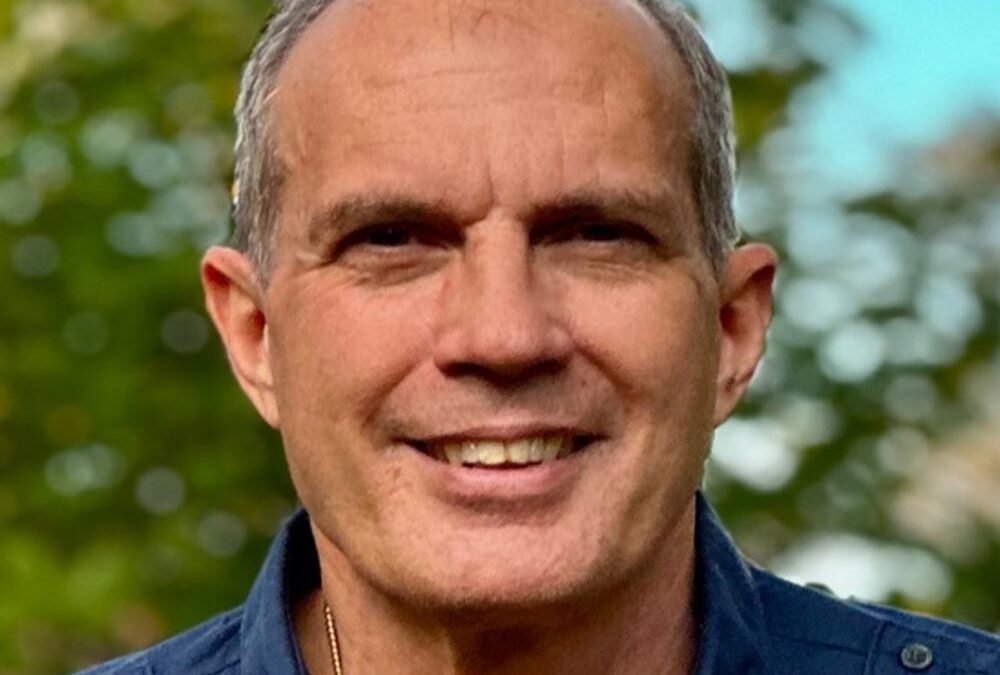








 By Géza F. Kogler, Ph.D, CO
Over the course of my career, I have operated at the crossroads of bioengineering and clinical orthotics, a combination that has provided me with a unique perspective on addressing challenges in prosthetics and orthotics.
I collaborated with Georgia Institute of Technology to develop the curriculum for the first Master of Science in Prosthetics and Orthotics program. When that program was sadly discontinued in 2019, the state of Georgia recognized the ongoing need for specialized training, and agreed to transfer the program to Kennesaw State University to help continue this vital work. The idea was to build a nationally recognized regional center of excellence to train clinicians and researchers who could further drive innovation in the field. In my time there, I led efforts in hiring, curriculum design and research initiatives, always with the goal of bridging clinical education with cutting-edge bioengineering research.
At Kennesaw State I also was awarded an NIH research training grant ($1.3 million) designed to attract top STEM degree undergraduates into prosthetics and orthotics research. My aim was to inspire the next generation of scientists to establish a pipeline of innovation in a field with a very limited number of researchers. We recruited students with strong backgrounds in science and math, many of whom were often the first-generation college attendees. The program offered full tuition and stipends, enabling students to focus solely on research and with learning experiences that exposed students to an array of clinical environments. There were also summer boot camps providing hands-on experience in prosthetics and orthotics, allowing students to explore research while gaining practical clinical insights.
Diversity in the program went beyond ethnicity or gender. The mission was based on student success and about cultivating a wide array of academic and personal backgrounds, bringing together students with different ways of thinking to foster creative problem-solving. Over time, this diversity began to transform the field.
Considering only 20 years ago the profession was predominantly white males, a surprising major shift occurred when the profession moved to the entry-level master degree and the number of females entering the field skyrocketed. This demographic shift was a great sign for the future of the field, with more women and students from underrepresented groups entering the field. I have witnessed firsthand how diverse perspectives influence patient treatment and research approaches, and I believe such diversity is essential for meaningful innovation.
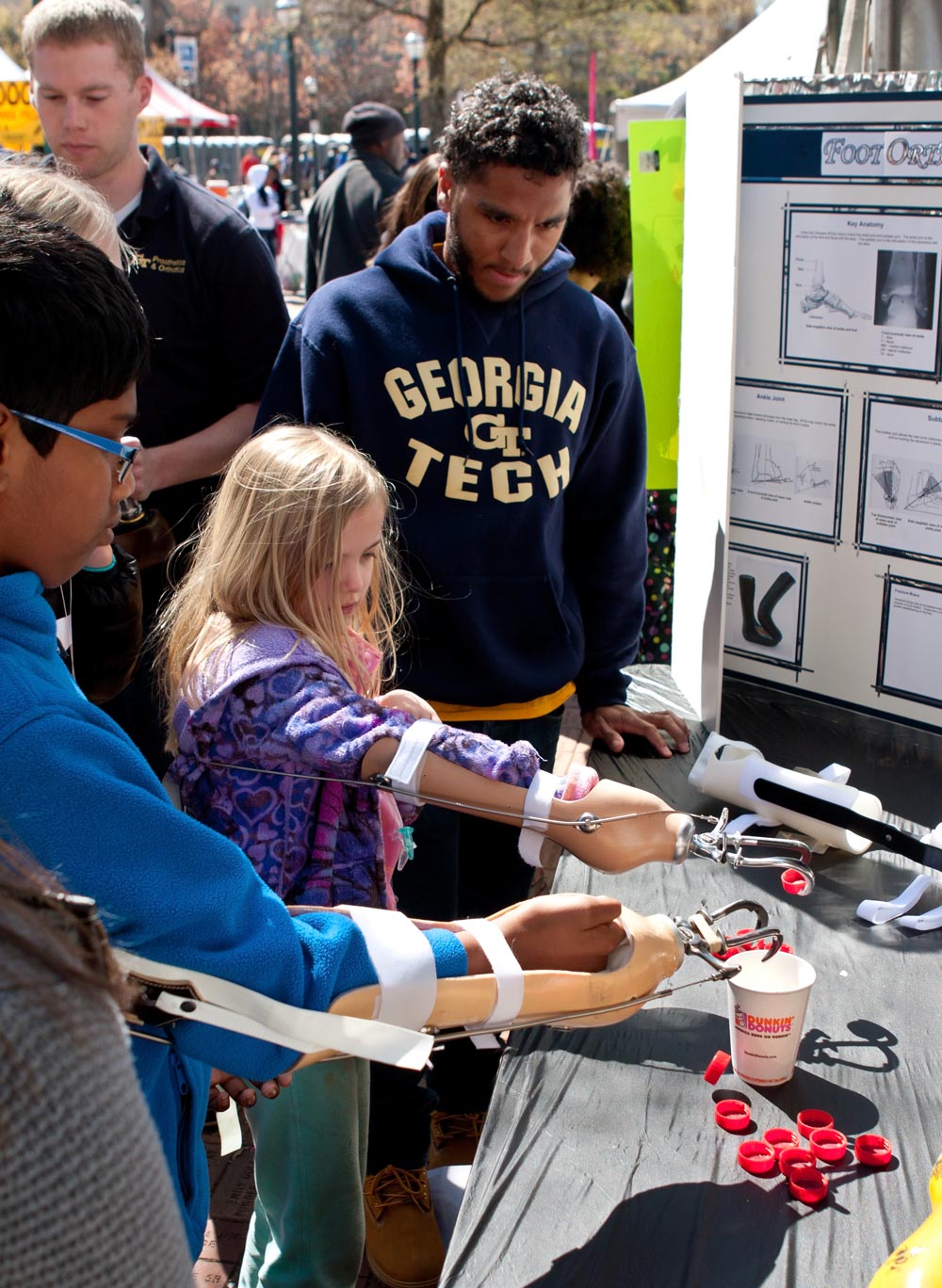 Unfortunately, the NIH funded program was terminated in May 2025, midway through its funding. The grant was on target to train 32 undergraduates with research skills in biomedical engineering, with a focus on orthotics, prosthetics, rehabilitation and exoskeletons and to prepare them with the skills needed to pursue doctoral degrees. The loss of this special training program is also a loss to an entire generation of students poised to advance the field. The pipeline for research and innovation in prosthetics and orthotics has a significant gap now, and I worry about the impact on patients who depend on these advancements.
When the grant was terminated, it not only halted my own plans for expanding the Kennesaw State orthotics and prosthetics but also left the first cohort of undergraduate research trainee students without the support and mentorship they had counted on. These were some of the most promising minds, and I worry that this abrupt disruption may discourage them from pursuing research or higher education in the future.
This NIH-funded initiative was intended to cultivate a new generation of innovators in bioengineering, with a focus on prosthetics and orthotics. By connecting students to engineering, rehabilitation, and clinical practice, we hoped to train leaders who could both improve patient care and advance the technology in this field. Losing the funding halted that pipeline at a critical moment. These students brought new ways of thinking that could have reshaped prosthetics and orthotics, and without them, progress slows and patients ultimately lose out.
The demand for prosthetics and orthotics has never been higher. The rise in chronic conditions like diabetes, cardiovascular disease and obesity, coupled with an aging population that lives longer, means more people require prosthetic and orthotic devices to maintain their mobility and independence. While basic orthoses, such as devices for drop foot, have been around for centuries, technological innovations such as integrated sensors and computer-assisted control devices hold the promise of dramatically improved outcomes. Developing these advances requires trained clinicians and researchers, but when research funding is cut, progress stalls, and patients miss out.
Access to prosthetics and orthotics services has been declining for years due to a shrinking workforce. The decrease in the number of trained practitioners could lead to compromised care, no orthotic or prosthetic intervention, and less effective devices and reduced mobility and independence for patients. Every missed opportunity to train a researcher or clinician is a missed chance to improve patient care. When access to orthotist or prosthetist is limited, other allied healthcare professionals will fill the gap which may be an off-the-shelf device “hand-off”. An AFO for drop foot is one of the most common scenarios. While a patient did receive care, the question I ask is, “Is that the best we can do?”
The existing workforce is aging, and there are not enough graduates from the existing P&O programs to replace the loss to practitioners expected to retire in the next few years. The gap between the demand for skilled clinicians and researchers and the available supply is alarming. Few individuals are actively engaged in research or training new professionals, so as technology advances, the capacity to develop and apply it diminishes. The NIH-supported model I helped establish was designed to sustain a pipeline of talented students beyond the life of the grant, but with the funding cut, that model has been lost.
Federal funding cuts have consequences beyond individual students. Each trained student represents a potential breakthrough—an innovative device, a new approach to patient care, a future clinician dedicated to keeping patients mobile and independent. Without programs that integrate research with clinical practice, these innovations may never reach those in need. Companies like Hanger Clinic demonstrate how combining research and clinical expertise can be linked to improved outcomes, and business growth, benefiting everyone. But this synergy still depends on a steady pipeline of trained professionals.
I am committed to creating pathways for students to enter prosthetics and orthotics research and practice. The loss of programs and funding is not just a personal disappointment; it’s a societal setback. We risk leaving patients without access to top care, slowing technological progress, and discouraging future scientists and clinicians. Research is about translating discoveries into meaningful improvements in lives.
As I near the later stages of my career, my concern for the future of prosthetics and orthotics remains strong. The need for innovation is urgent, yet the infrastructure to support it remains fragile. Without continued investment from federal sources in training and research, a widening gap will develop between patient needs and available solutions. The talented students who could invent the next generation of bioengineered prostheses and orthoses may never get the chance, and patients will suffer the consequences.
For those outside healthcare and research, the importance of these programs may not be immediately obvious. Every individual values mobility and independence and every patient deserves the best possible care. Limiting funding and training opportunities in prosthetics and orthotics constrains scientific and medical progress. This is not a partisan issue—it is a human one. Supporting these initiatives ensures that new generations can advance the field, develop better devices, and keep patients moving.
I hope that by sharing my perspective, others will recognize the urgent need to sustain programs that train clinicians and researchers, because the health and independence of patients depend on it.
Dr. Kogler is an independent research scholar based in Greenville, South Carolina. He is the former Program Director for the Master of Science in Prosthetics and Orthotics Programs at Georgia Institute of Technology and Kennesaw State University, respectively. He has an excellent research record with grant funding from the NIH, NSF, DoD and DARPA. His current research interests include: powered exoskeletal systems for rehabilitation, sensing applications for diagnostics and musculoskeletal health, foot/ankle biomechanics, and plantar foot tissue mechanics. Dr. Kogler has received numerous awards for his research in foot/ankle biomechanics from the American Society of Biomechanics, the International Society of Biomechanics and the International Society of Prosthetics and Orthotics. Dr. Kogler also serves on the Editorial Advisory Board for Lower Extremity Review.