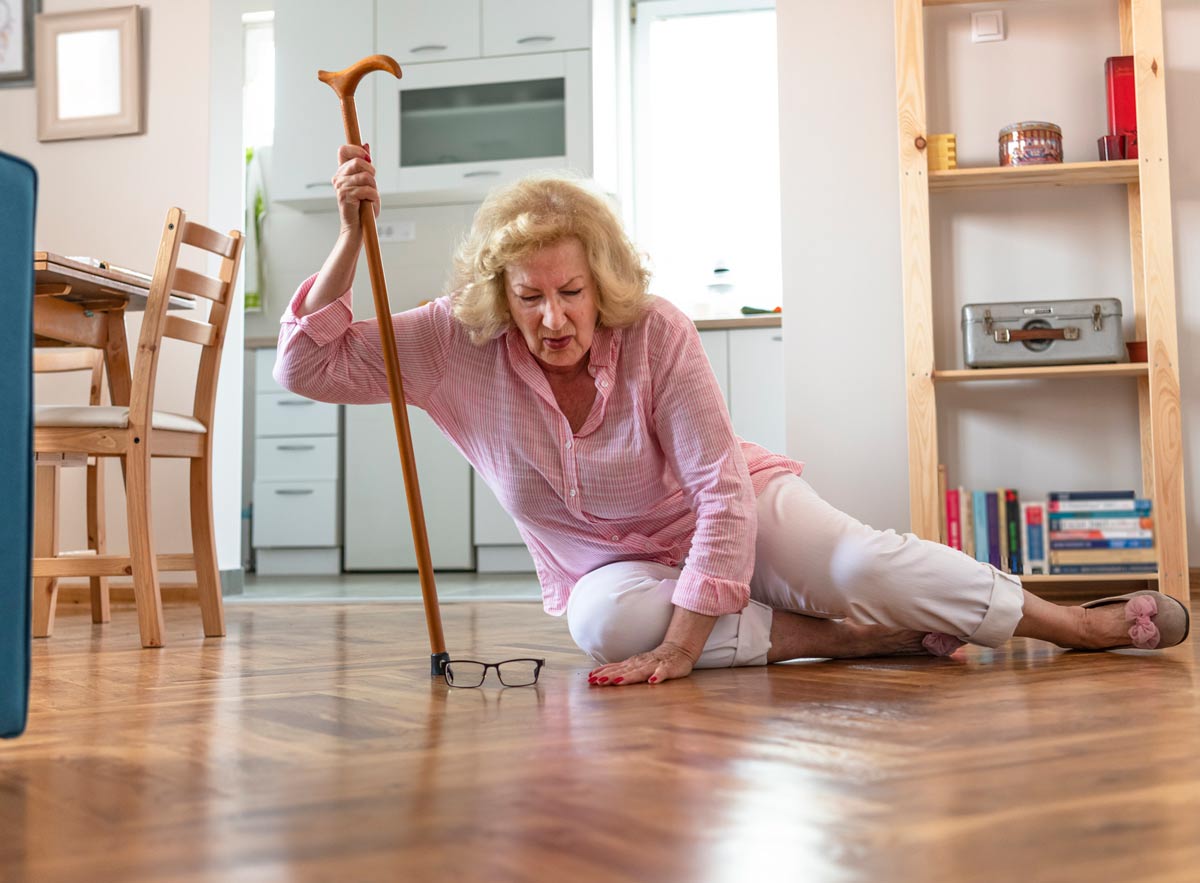








 ‘It takes a child one year to acquire independent movement and 10 years to acquire independent mobility. An old person can lose both in a day’
– Professor Bernard Isaacs (1924–1995)
Falls and fall-related injuries are common in older adults, have negative effects on functional independence and quality of life and are associated with increased morbidity, mortality and health-related costs. Current guidelines are inconsistent, with no up-to-date, globally applicable ones present.
To fill that gap, the Task Force on Global Guidelines for Falls in Older Adults worked to create a set of evidence- and expert consensus-based falls prevention and management recommendations applicable to older adults for use by healthcare and other professionals that consider: (i) a person-centered approach that includes the perspectives of older adults with lived experience, caregivers, and other stakeholders; (ii) gaps in previous guidelines; (iii) recent developments in e-health; and (iv) implementation across locations with limited access to resources such as low- and middle-income countries.
To create the guidelines, a steering committee and a worldwide multidisciplinary group of experts and stakeholders, including older adults, were assembled. Using a modified Delphi process, recommendations from 11 topic-specific working groups (WGs), 10 ad-hoc WGs and a WG dealing with the perspectives of older adults were reviewed and refined. The final recommendations were determined by voting.
Published in Age and Ageing, the recommendations encourage that all older adults be advised on falls prevention and physical activity. Opportunistic case finding for falls risk is recommended for community-dwelling older adults. Those considered at high risk should be offered a comprehensive multifactorial falls risk assessment with a view to co-design and implement personalized multi-domain interventions. Other recommendations cover details of assessment and intervention components and combinations, and recommendations for specific settings and populations.
In its conclusion, the authors write that the core set of recommendations provided will require flexible implementation strategies that consider both local context and resources.
Source: Montero-Odasso M, van der Velde N, Martin FC, et al, for the Task Force on Global Guidelines for Falls in Older Adults. World guidelines for falls prevention and management for older adults: a global initiative. Age Ageing. 2022;51(9):afac205. doi: 10.1093/ageing/afac205.