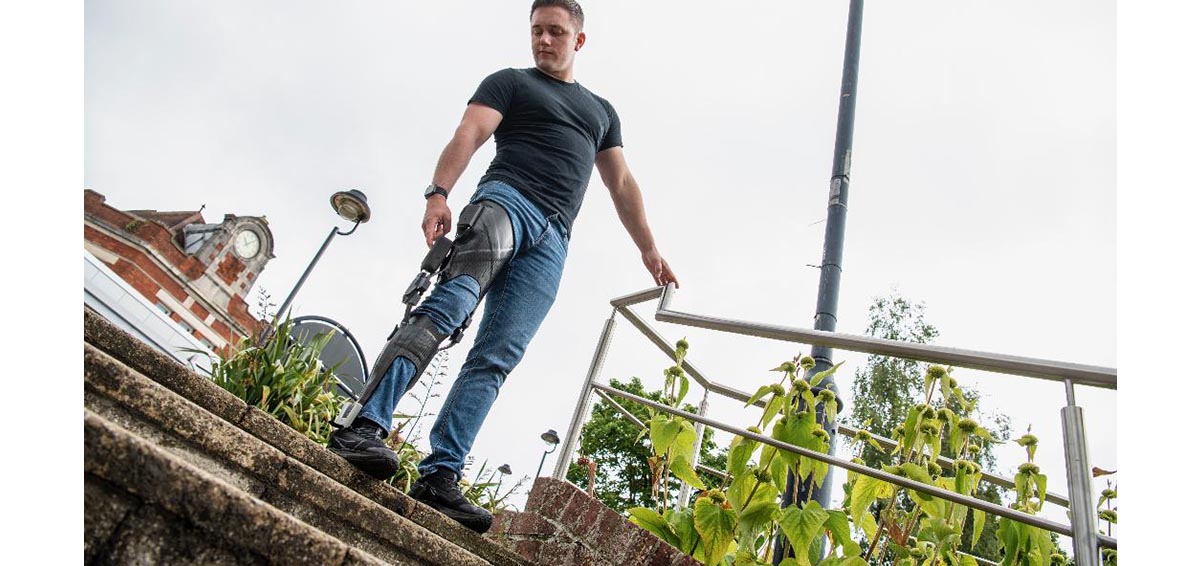
Runners today aren’t like the runners of the 1970s. They’re far less likely to be male, thin, or dedicated to the sport. And yet, the medical literature suggests that running injury rates are essentially unchanged.
Lower Extremity Review
Education before ACL reconstruction reduces rates of reinjury in first year
Two hours of patient education before anterior cruciate ligament (ACL) reconstruction can significantly reduce rates of reinjury in the first year after surgery, according to research from Funabashi Orthopedic Hospital in Japan.
Support builds for eccentric strengthening to prevent hamstring strains in soccer
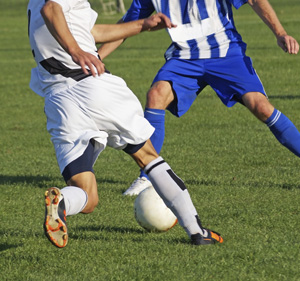
Research is accumulating in support of eccentric strengthening exercises to prevent hamstring injury in soccer players, and possibly to screen for athletes at risk, according to several studies presented at the IOC conference in Monaco.
UTC monitoring of patellar tendon load keeps Australian footballers in the game
Using ultrasound tissue characterization (UTC) to monitor tendon load in Australian Football League players has led to no games missed due to patellar tendinopathy in four years, according to Sam Rosengarten, a sports physiotherapist at Recover Sports Medicine in Melbourne who has worked most recently with the Carlton Football Club.
Poor dynamic postural stability predicts risk of ankle injury in ball team athletes
Poor dynamic ankle stability is predictive of injury risk in athletes, but exercises designed to improve dynamic balance may not be effective in athletes with chronic ankle instability, according to separate studies presented at the IOC conference in Monaco.
Late-breaking ACL data raise questions about use of landing-based screening
A presenter from Norway gave IOC conference attendees a sneak peek at his group’s latest findings and generated considerable discussion by suggesting that many aspects of drop-landing mechanics are not predictive of anterior cruciate ligament (ACL) injury in elite female athletes.
Juvenile hallux valgus: Shoe fit and other considerations
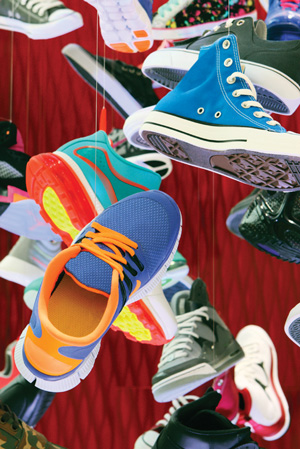
Austrian research suggests too-short shoes may contribute to the development of bunions in children, and genetics also appear to play a role. Most clinicians try to avoid surgery in young patients, instead turning to conservative strategies such as…
By Christina Hall Nettles
Ponseti method surpasses surgery for long-term clubfoot outcomes
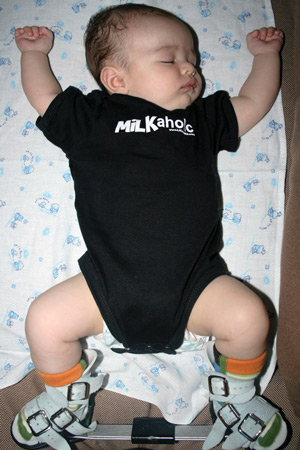
But both groups fall short of controls – Children treated for clubfoot with the Ponseti method have less pain and fewer gait impairments as adults than those treated with surgery, according to research from Shriners Hospital for Children in Chicago.
By Samantha Rosenblum
Ankle dorsiflexion patterns vary in Charcot-Marie-Tooth disease
Data support case-by-case approach – Gait patterns can vary significantly among young patients with Charcot-Marie-Tooth disease (CMT), and pathomechanics can vary even between limbs in one child, according to a recent study published in Gait & Posture.
By Larry Hand
Ankle weights improve walking in children with Down syndrome
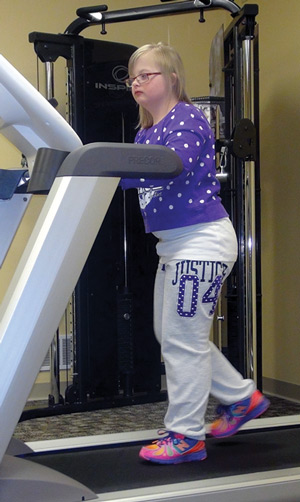
Load may help engage plantar flexors – Adding an ankle load during treadmill walking significantly improves gait kinetics in children with Down syndrome (DS), possibly due to greater contributions from the ankle plantar flexors, according to a study from Georgia State University in Atlanta.
By Larry Hand
In youth athletes, repair after meniscal injury poses challenge
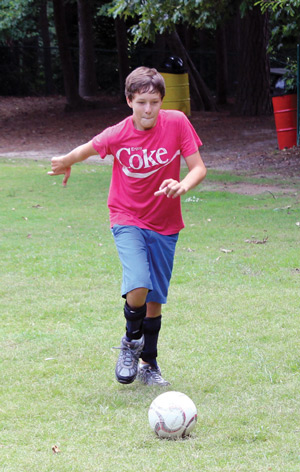
Obesity, gender affect tear complexity – Adolescents and children suffer more complex meniscus injuries that are often less repairable than previously reported, according to a study published in the December 2013 issue of the American Journal of Sports Medicine (AJSM).
By P.K. Daniel
New flatfoot data rekindle debate over role of obesity
Australian researchers found no correlation between body mass index and prevalence of pediatric flatfoot, but used a different methodology than previous studies that reached an opposite conclusion. The conflicting results have revitalized the ongoing debate on this topic.
By Cary Groner
Strength training improves function in children with CP
Research suggests strength training can improve gait and function in children with cerebral palsy. But to be successful, experts say, the training needs to be part of a multifaceted rehabilitation program that accounts for more than the physical limitations imposed by the disease.
By Shalmali Pal
Components
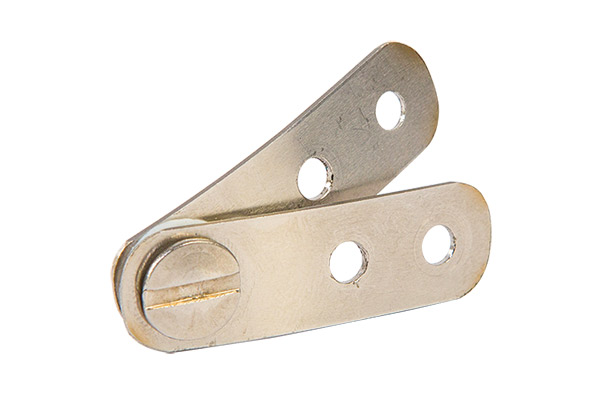
SureStep HEKO Hinge, SureStep DA Hinge, SureStop, SureStep Free Motion Hinge & SureStep Dorsiflexion Assist Band
Shoes/Sandals
SureStep shoes have been custom designed specifically for children who wear orthoses. Their wider, deeper heel, toe box and instep allow for adequate room and a comfortable fit. The unique tread promotes intrinsic movement and flexibility while a special “cut-line” allows for easy shoe modifications.
Join
Subscribe For Updates
Stay in the loop with the latest news and updates! Subscribe now to receive exclusive content, special offers, and important announcements straight to your inbox. Don’t miss out – join our community today for all the latest updates delivered directly to you.