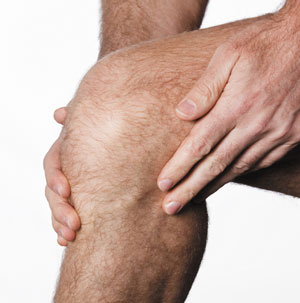
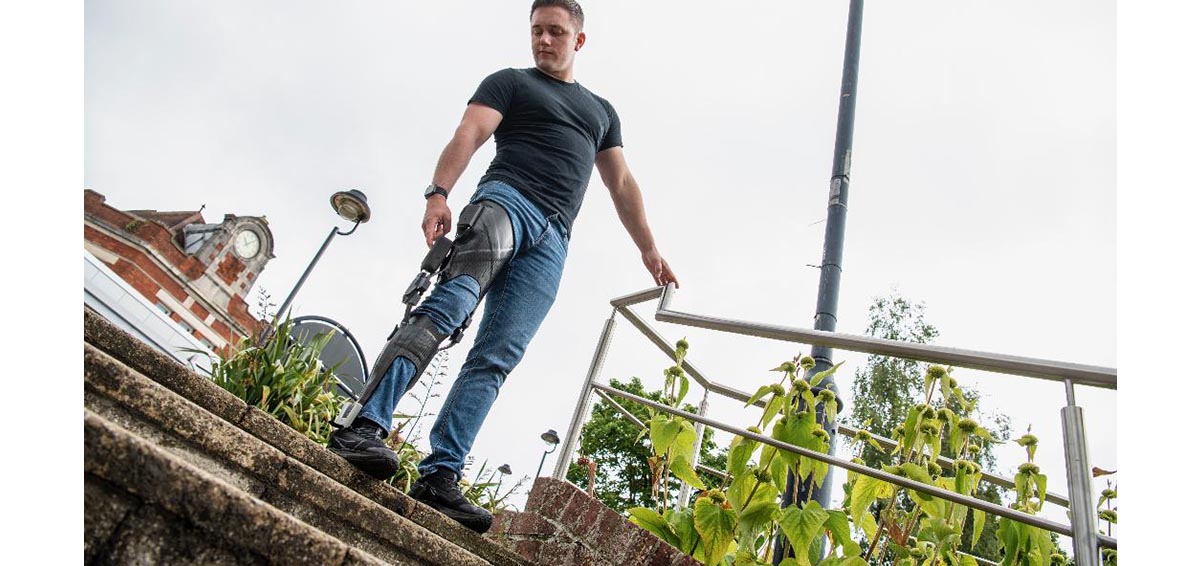
Studies presented at the 2013 World Congress on Osteoarthritis, held in April in Philadelphia, provide more evidence that knee bracing can improve pain and gait mechanics in patients with knee osteoarthritis (OA)—improvements that are magnified with increased wear time.
Lower Extremity Review
Nonoperated knee remains vulnerable after unilateral total joint arthroplasty
Unilateral total knee arthroplasty (TKA) does not reduce loading in the nonoperated knee, and the resulting asymmetry may help explain why many patients end up undergoing TKA in the contralateral knee within 10 years of the initial procedure, according to an Israeli study presented at the 2013 World Congress on Osteoarthritis.
Medial meniscal damage corresponds to decreased proprioceptive accuracy
Severity of meniscal abnormality in patients with knee OA is significantly associated with severity of proprioceptive impairment, according to research from the Netherlands presented at the 2013 World Congress on Osteoarthritis.
Adding exercise to diet improves pain, function in overweight knee OA patients
Adding exercise to a dietary program does not significantly increase weight loss or reduce loading in overweight patients with knee osteoarthritis (OA) compared to diet alone, but the addition of exercise is associated with significant improvements in pain and function, according to preliminary results of a large 18-month trial presented in April at the 2013 World Congress on Osteoarthritis.
Arthroscopy attrition: 2002 study changes practice patterns
The number of knee arthroscopy procedures performed in patients with osteoarthritis (OA) has greatly decreased since the 2002 publication of a high profile New England Journal of Medicine study that questioned the procedure’s effectiveness, according to research from the Cleveland Clinic in Cleveland, OH.
Bone bruises associated with ligament injuries may predict chondral damage
The distribution of bone bruises associated with acute knee ligament injury is consistent with long-term patterns of chondral damage, according to research from the University of Kentucky in Lexington presented in June at the annual meeting of the National Athletic Trainers Association.
Soccer training intensity affects levels of biomarker for cartilage degradation
Increased exercise duration is associated with elevated levels of a serum biomarker previously found to be an indicator of cartilage damage, according to research from the University of Kentucky in Lexington presented in June at the annual meeting of the National Athletic Trainers Association.
Weight watching: Ten percent gain or loss affects symptoms
Education about weight loss—including why it’s important and how to achieve it—should be “front and center” of any clinical encounter involving patients with knee osteoarthritis (OA), said a researcher who recently published findings on the effects of weight change over time on OA-related pain and functional limitations.
Hatha yoga outperforms traditional exercise for relief of OA-related pain
A study e-published in April by the Journal of Alternative and Complementary Medicine suggests hatha yoga is superior to therapeutic exercises in reducing osteoarthritis-related walking pain. Investigators from Ebnezar Orthopedic Center in Bangalore, India, randomized 250 outpatients with radiographic knee OA…
Patellofemoral cartilage damage tends to be medial, even in most valgus knees
Medial cartilage damage, not lateral damage, is the more prevalent pattern of cartilage morphology in patellofemoral knee osteoarthritis in all but the most severely involved knees, according to research from Boston University School of Medicine.
Dynamic duo
Brace-wedge combo maximizes results – Wedged foot orthoses and knee braces have both been shown to relieve knee osteoarthritis symptoms, but research from the University of Western Ontario suggests that the two modalities may be most effective when used in combination.
By Jordana Bieze Foster
Bracing does not weaken quadriceps in patients with patellofemoral OA
Practitioner concerns that knee bracing leads to muscle atrophy in patients with patellofemoral osteoarthritis (OA) appear to be unfounded, and the opposite may be true, according to research from the University of Manchester in the U.K. In 59 individuals with...
Some individuals report less OA pain while wearing high heels than flats
Knee osteoarthritis patients may not want to throw out their high-heeled shoes just yet. Research from Henry Ford Hospital in Detroit suggests that elevated heels are actually associated with pain relief in some patients with knee OA. The findings are surprising in...
Join
Subscribe For Updates
Stay in the loop with the latest news and updates! Subscribe now to receive exclusive content, special offers, and important announcements straight to your inbox. Don’t miss out – join our community today for all the latest updates delivered directly to you.