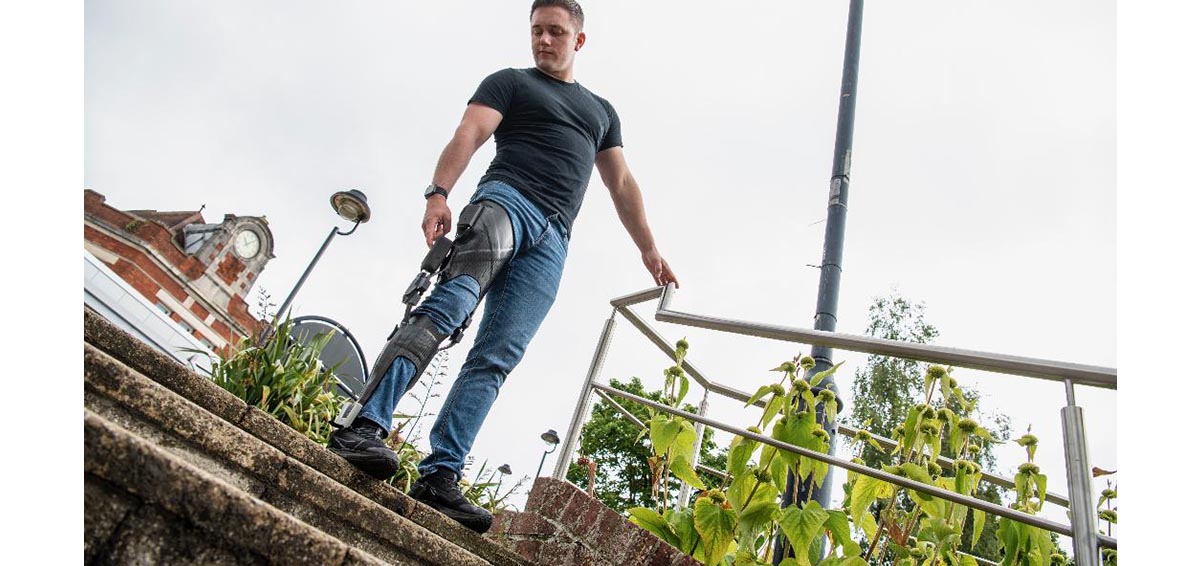
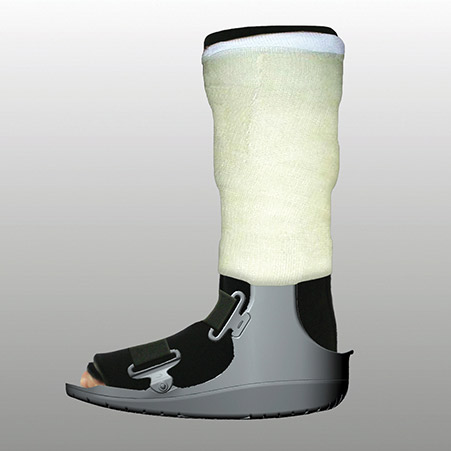
Instant total contact casts (iTCCs), which add length and weight to the involved leg, perturb balance in healthy individuals and could increase fall risks in the already–balanced challenged population of individuals with diabetic peripheral neuropathy.
Lower Extremity Review
Ulcer location influences healing times, from shortest at toes to longest at heel
A study e-published February 7 by Diabetes/Metabolism Research and Reviews found that time to diabetic foot ulcer healing was dependent on location, increasing progressively from toe to midfoot to heel, but did not differ between plantar and nonplantar ulcers.
Diabetes, cognitive deficits impair gait in older adults, but neuropathy does not
Type 2 diabetes affects gait parameters in older adults, and impaired cognition further reduces performance, according to investigators from Ghent University in Belgium who studied 101 patients living in community and residential care settings.
Prevention pitfalls: Why amputation rates are still too high
Essential to achieving the goal of preventing amputation in patients with diabetes is recognizing barriers that stand in the way, according to a Swedish diabetic foot expert who spoke in March at the Diabetic Foot Global Conference (DFCon) in Los Angeles.
By Jordana Bieze Foster
Nationwide action plan to stratify risk of foot ulceration pays off in Scotland
A national strategy of risk stratification in Scotland significantly decreased the incidence of amputation within the first years of its implementation, according to unpublished data presented in March at the Diabetic Foot Global Conference (DFCon) in Los Angeles.
Texas experience suggests amputees gain from support group participation
Participation in a support group for diabetic amputees is associated with significant clinical and educational benefits, according to unpublished data from the University of Texas Health Sciences Center San Antonio presented in March at the Diabetic Foot Global Conference (DFCon).
Saving limbs at home
Studies spotlight American outcomes
For years, the amputation prevention literature has been dominated by studies performed outside the United States. Two recent studies, however, have served notice that that trend is starting to change.
Plus: • Depressive effects • Antibiotic regimens
Join
Subscribe For Updates
Stay in the loop with the latest news and updates! Subscribe now to receive exclusive content, special offers, and important announcements straight to your inbox. Don’t miss out – join our community today for all the latest updates delivered directly to you.