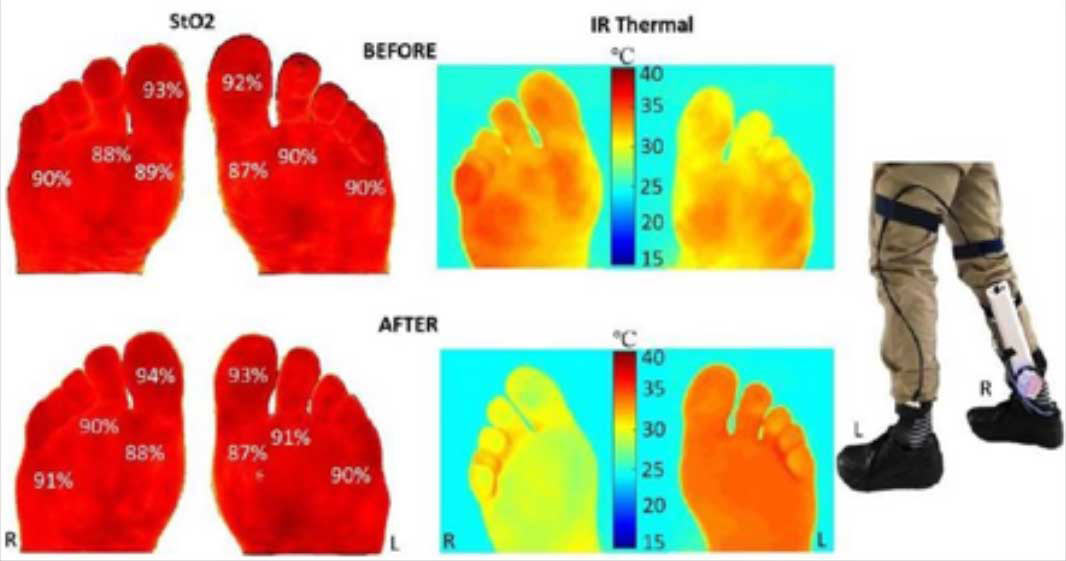
A new cooling insole developed by UT Southwestern scientists reduced the foot temperature of patients with diabetic neuropathy by several degrees, diminishing a significant risk factor for diabetic foot ulcers. This new device, detailed in an article published in The Journal of Foot & Ankle Surgery, could eventually prevent thousands of diabetes-related amputations each year.
Lower Extremity Review
Sjogren’s Musculoskeletal Pain Not Related to Enthesitis
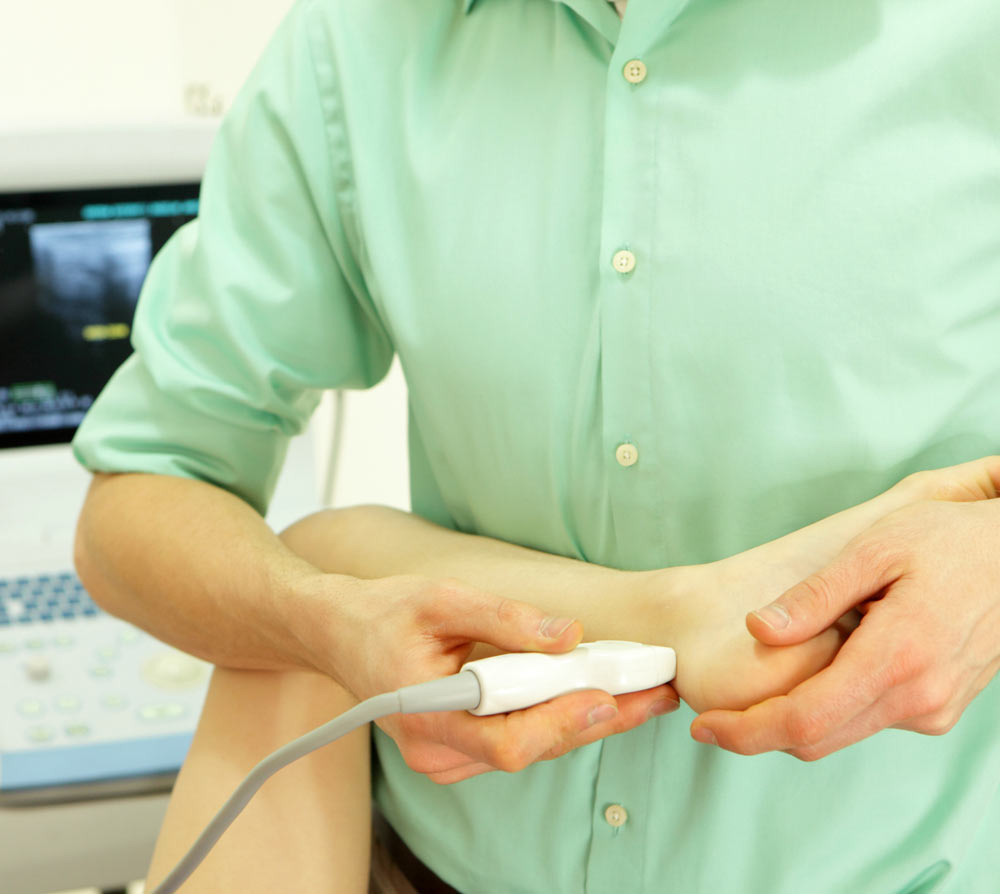
An assessment of entheses involvement using ultrasonography has found that musculoskeletal pain in patients with Sjogren’s Syndrome is not due to enthesitis. This prospective study included 25 Sjogren’s female patients (mean age, 53.2 + 11.3 yrs) and 25 sex and age-matched controls (mean age, 50.6 + 9.7 yrs), who all…
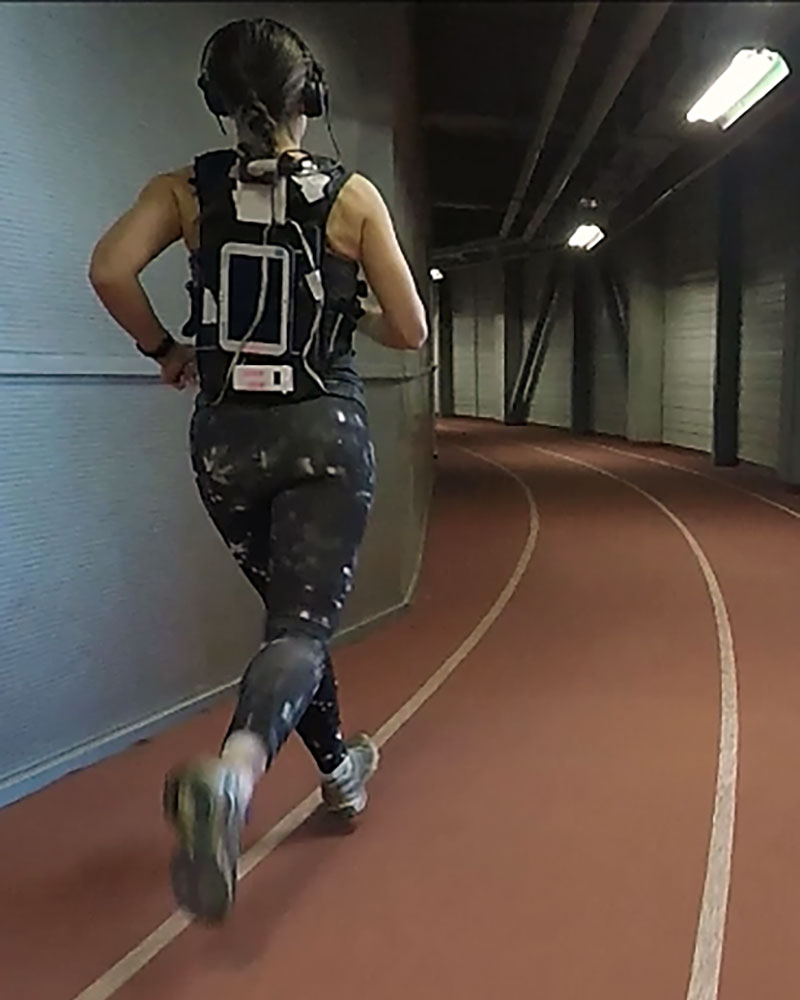
Starting with gait retraining: an analysis of changes in impact over time
The repetitive impact that is experienced upon collision with the ground may be related to running injuries but is modifiable. Lower-impact running can be achieved by receiving biofeedback in response to the peak tibial acceleration, but when are runners adapting to lower-impact running?
By the Biomechanics of Human Movement research group of Ghent University
Fragility Fractures, Bone Health Management, and Caregiving
Patients who have fragility fractures may experience a disruption of their responsibilities as caregivers to family members and others who depend on them. The purpose our study was to examine how caregiving responsibilities were associated with, and possibly impacted by, the fracture experience and the resulting management of bone health.
By Joanna Sale, PhD
Does Physical Activity Relate to Motor Development?
Do certain kinds of physical activity (PA) help children develop motor skills better than others? To find out, researchers from East Carolina University used data from 342 children who had taken part in the 2012 National Youth Fitness Survey to look at specific kinds of PA and motor skill development in preschool-aged children.
Prevalence of Obesity in US Continues Upward Trend
Nearly 1 out of every 2 US adults will be obese by 2030, and nearly 1 in 4 will be severely obese, according to estimates published in the New England Journal of Medicine. Researchers used 1993-2016 data on 6.3 million US adults who participated in the Behavioral Risk Factor Surveillance System to project the prevalence of different body-mass index (BMI) categories through 2030.
Preventing Re-ulceration in Diabetes
In a recent short review, Michael J. Mueller, PT, PhD, FAPTA, provided 5 evidence-based suggestions for helping patients with diabetes and peripheral neuropathy (PN) safely and effectively increase their mobility after a healed foot ulcer. Mueller is a professor of physical therapy and radiology at Washington University School of Medicine in St. Louis.
AFO Configuration Can Improve Efficacy of the Orthotic Intervention on Gait Patterns in CP Patients
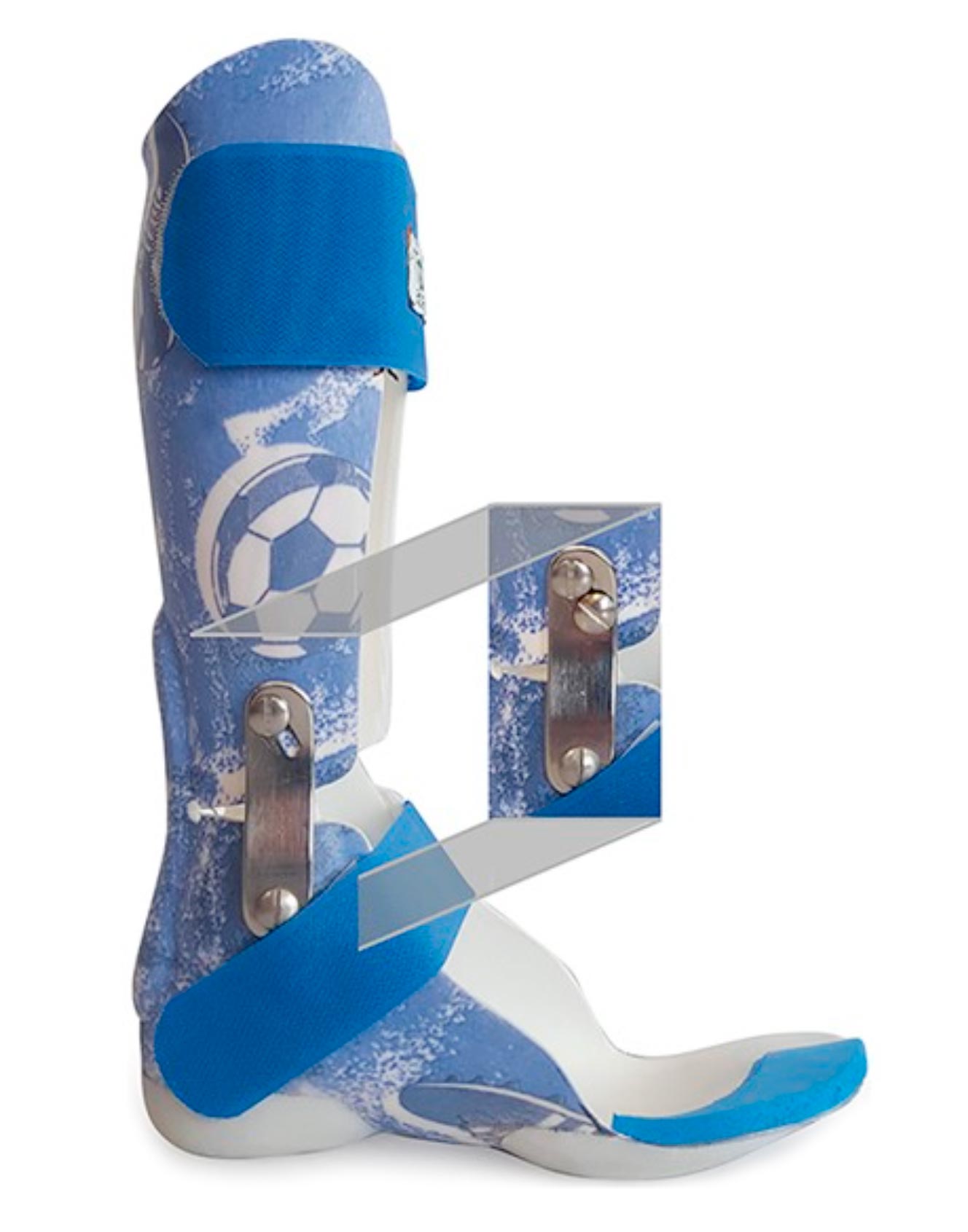
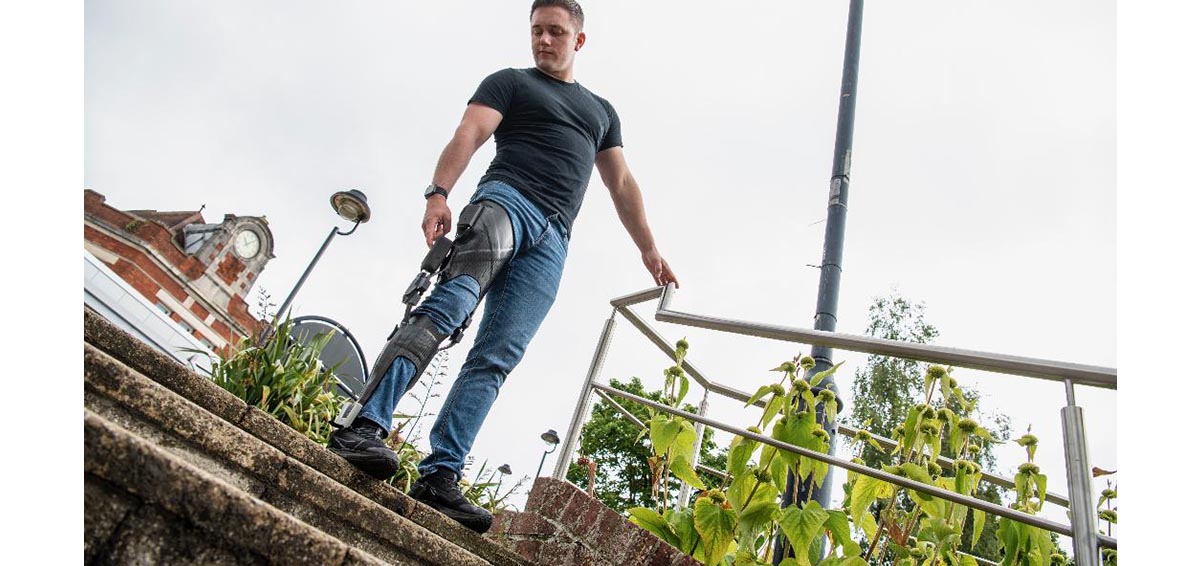
Cerebral Palsy (CP) represents the most common cause of motor disability in childhood with dysfunctional gait being one of the main problems. Early adoption of intervention programs adapted to the patient’s functional limitation and disability represent the current standard of care; therapeutic approaches include Ankle-Foot Orthoses (AFOs) for which the evidence shows they…
By Keith Loria
Negative-Pressure Wound Therapy in Diabetic Foot Ulcers
Use of negative-pressure wound therapy (NPWT) is growing in the management of complex wounds as well as foot and ankle surgery. Researchers from Rush University Medical Center in Chicago and Wake Forest Baptist Health Center in North Carolina recently published a review of the evidence for NPWT in Foot & Ankle International. Their findings related to diabetic foot and neuropathic ulcers are excerpted here.
Updated Treatment Guideline for OA Published
The American College of Rheumatology (ACR) and the Arthritis Foundation (AF) partnered to update and publish the 2019 ACR/AF Guideline for the Management of Osteoarthritis [OA] of the Hand, Hip and Knee. Last published in 2012, the updated guideline includes contributions to the literature since the last publication, and for the first time direct patient participation was incorporated.
By Laura Fonda Hochnadel
What you need to know about coronavirus disease 2019 (COVID-19)
Coronavirus disease 2019 (COVID-19) is a respiratory illness that can spread from person to person. The virus that causes COVID-19 is a novel coronavirus that was first identified during an investigation into an outbreak in Wuhan, China. COVID-19 is spreading from person to person in parts of the United States. Risk of infection with COVID-19 is higher for people who are close contacts of someone known to have COVID-19, for example healthcare workers, or household members.
One Claudication Question May Be Quick Screen for PAD
Peripheral Arterial Disease (PAD) affects more than 200 million adults around the world. If identified early, PAD is highly treatable and may prevent patients from suffering major adverce cardiac events (MACE) and major adverse limb events (MALE). The most important criterion for definition of PAD is an ankle-brachial index (ABI) below 0.90.
By Lynn Soban, PhD, MPH, RN
Science Meets Fun on National Biomechanics Day: April 8, 2020
National Biomechanics Day (NBD) is a worldwide celebration of biomechanics in its many forms for middle- and high-school students and their teachers. Designed to introduce biomechanics science and its applications to young minds around the world, the event seeks to teach young people about all that biomechanics contributes to society with the hope of encouraging them to pursue it as a career.
Study Shows Heel Lifts Affect Biomechanics, Muscle Function
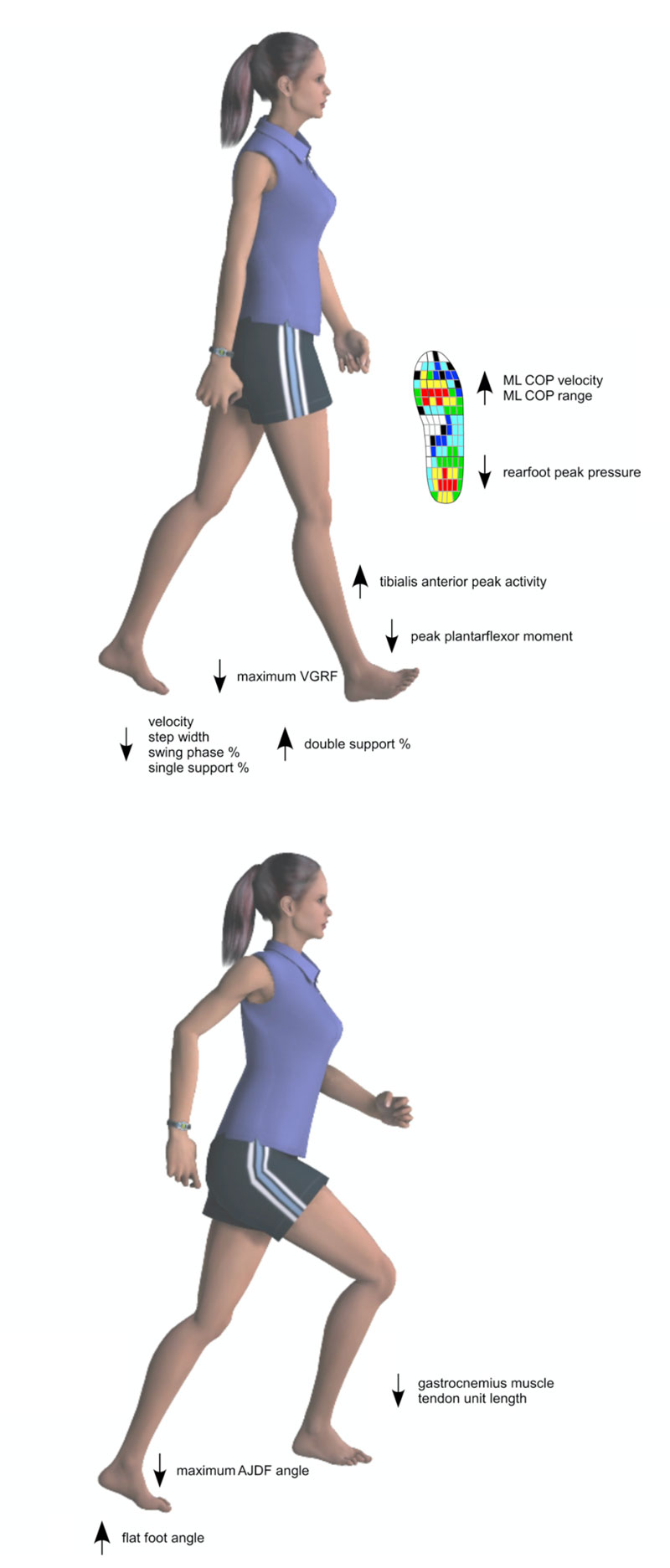
Clinicians use a variety of in-shoe heel lifts to treat a range of musculoskeletal conditions. The mechanics of how these orthotic devices work, however, is unclear. So a group from LaTrobe University in Australia put together a study that asked this question: Do heel lifts affect lower limb biomechanics and muscle function during walking and running?
1064-nm Laser Technique Shows Positive Results for Onychocryptosis
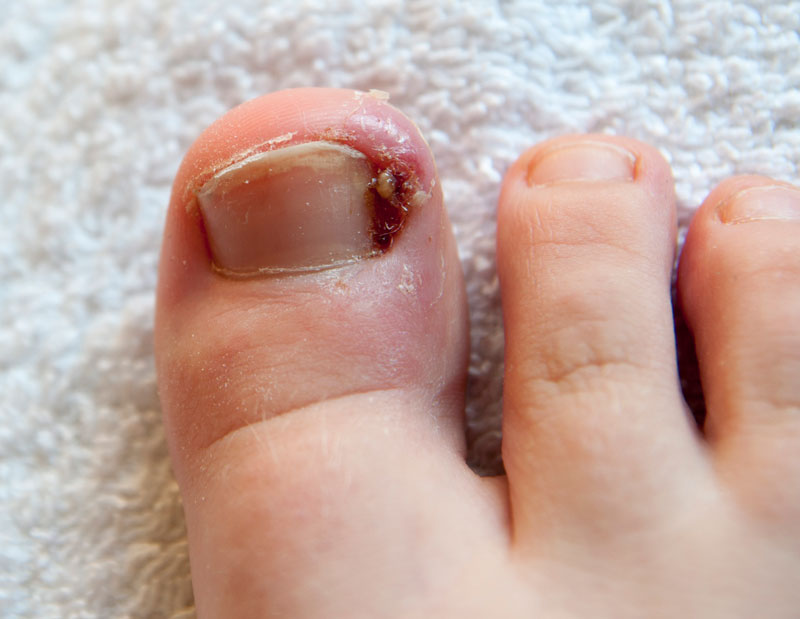
Onychocryptosis, more commonly known as in-grown toenail, affects nearly 20% of all patients who present a foot problem to their doctor. Current treatments include incisional procedures and nonincisional procedures, such as chemical matrixectomies and physical matrixectomies using a carbon dioxide laser.
By Keith Loria
Join
Subscribe For Updates
Stay in the loop with the latest news and updates! Subscribe now to receive exclusive content, special offers, and important announcements straight to your inbox. Don’t miss out – join our community today for all the latest updates delivered directly to you.