Atlanta-based Foot Solutions in September announced that Teresa Alpert, CO, CPed, has joined its Aurora, CO, location as director of education for pedorthics. In this role, Alpert works directly with healthcare professionals and their staffs. Before moving to Colorado she was in…
Lower Extremity Review
Ipsen reports extended Dysport-for-CP data
The principal investigator (PI) for a randomized controlled trial of Basking Ridge, NJ-based Ipsen Biopharmaceutical’s Dysport on September 22 reported extension study data on the botulinum toxin type A (ABO) for pediatric patients with cerebral palsy (CP) at the American Academy of…
AAOP reports rising numbers for O&P jobs
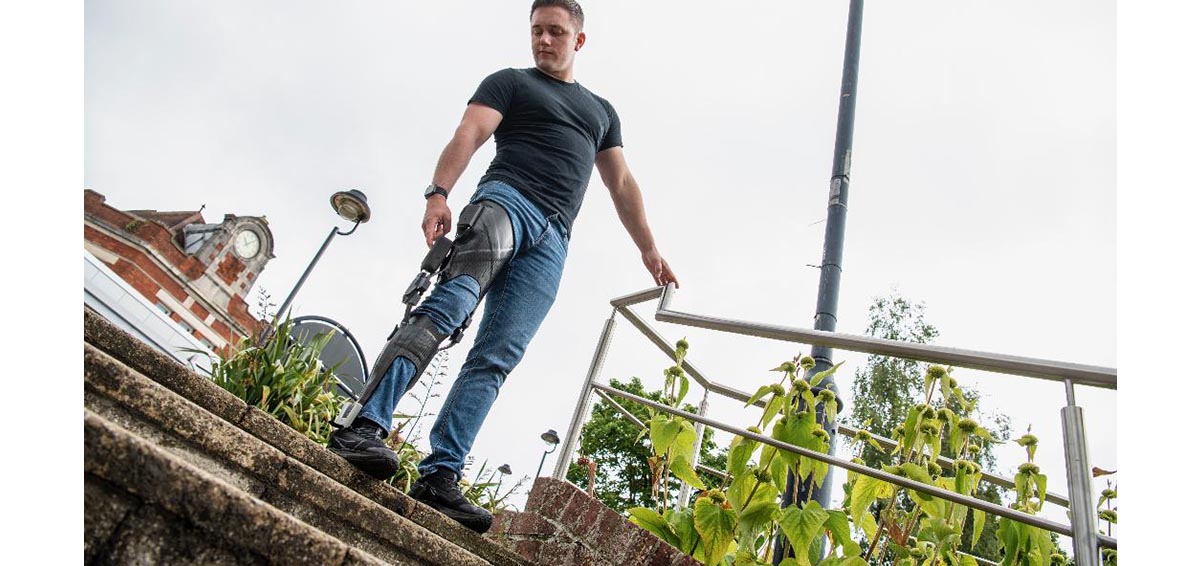
Data from the Washington, DC-based American Academy of Orthotists and Prosthetists (AAOP) in September indicate a number of health trends are continuing to increase demand for O&P practitioners and that robust employment opportunities continue in this sector, despite an overall…
Data support Smith & Nephew system
London, UK-based Smith & Nephew’s single-use negative pressure wound therapy system can significantly improve outcome predictions and reduce complications after orthopedic surgery using Pico, according to randomized control trial data presented in September at the European Bone and Joint Infection conference in Oxford.
Muller is CSU Dominguez Hills O&P chair
Gary Sayed, PhD, dean of the College of Health, Human Services, and Nursing at California State University, Dominguez Hills (CSUDH) in October named Mark Muller, CPO, FAAOP, MS, the new chair of the university’s Department of Orthotics and Prosthetics.
Curbell backs OPAF First Swim and Dance
Orchard Park, NY-based Curbell Plastics reported in September that it helped sponsor the Orthotics and Prosthetics Activities Foundation’s (OPAF) First Swim and First Dance events held in Dallas.
Oxford University Press to publish PTJ
The Alexandria, VA-based American Physical Therapy Association’s (APTA) scientific journal, Physical Therapy (PTJ) is moving to “the next level” with its partnership with Oxford University Press (OUP), according to PTJ’s Editor-in-Chief, Alan Jette, PT, PhD, who published an editorial in the October issue describing the partnership.
Hip check: Proximal focus could help CAI rehab
Chronic ankle instability (CAI) is associated with centralized feed-forward neuromuscular alterations that affect the hip as well as the ankle, according to research from Boston University that may have implications for rehabilitation programs in that patient population.
By Katie Bell
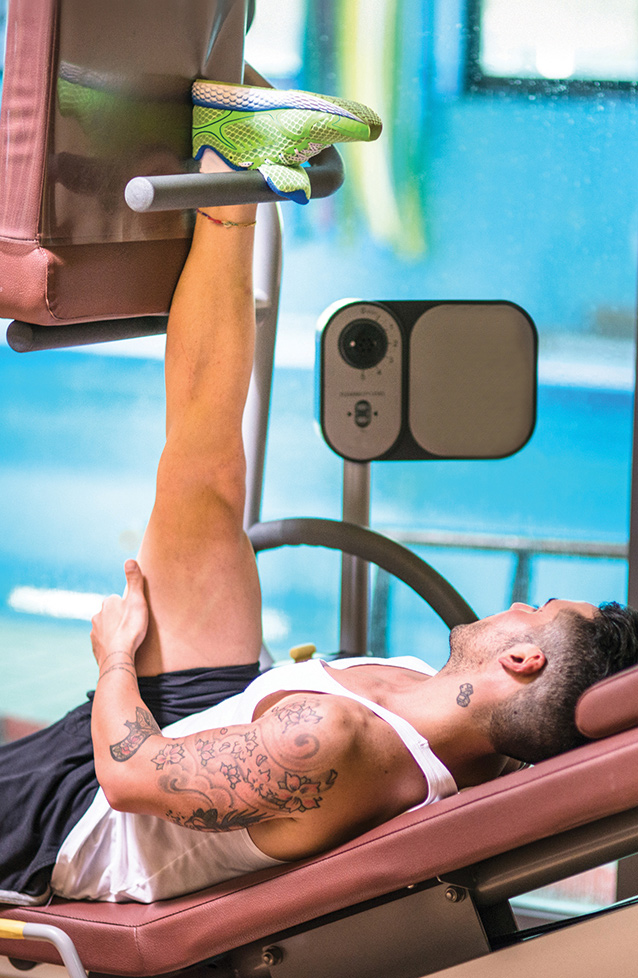
Biceps femoris activation decreases following foam rolling of quadriceps
Foam rolling of the quadriceps muscle is associated with decreased biceps femoris activation, an effect that may be related to pain perception, according to research from the Memorial University of Newfoundland in St. John’s, Canada.
By Jordana Bieze Foster
Externally focused instruction boosts jump height regardless of visual input
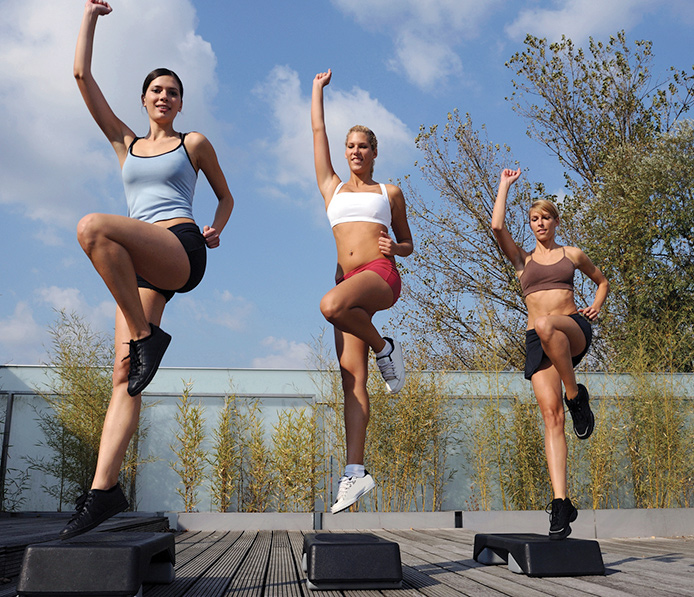
Externally focused instruction results in greater jump height than internal focus or no instruction, regardless of whether the jumper’s eyes are open or closed, according to research from the Czech Republic.
By Jordana Bieze Foster
Women’s Work: Overcoming gender barriers in lower extremity specialties
In lower extremity healthcare, as in politics, it hasn’t been easy for women to succeed in traditionally male-dominated roles. The gender demographics have shifted toward parity over time—in some specialties more than others—but challenges still remain.
By Emily Delzell
Management of athletes with excessive pronation
Pronation is a triplanar movement and is the combination of rearfoot eversion, midfoot abduction, and talocrural dorsiflexion.1 Pronation in normal gait allows flexible, adaptive changes to varying types of terrain; it dissipates ground reaction forces; and encourages lower extremity internal rotation.
By Frank Layman, PT, DPT, EdD, MT; and April Wilson, PTA, BS, CI, CKTP, IASTM
Role of bariatric surgery in patients with knee OA
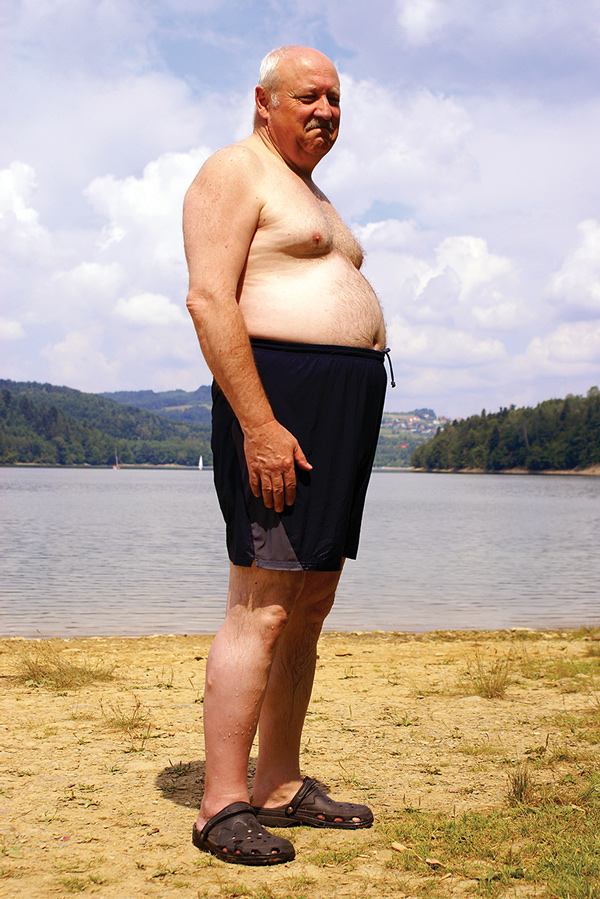
Weight loss following bariatric surgery can have biomechanical and symptomatic benefits for obese patients with knee osteoarthritis (OA). But it’s less certain whether that weight loss can also reduce the risk of obesity-related complications following total knee arthroplasty.
By Shalmali Pal
Crossover consequences of unilateral treatments
The mechanisms underlying the so-called crossover effect—when a unilateral intervention results in bilateral changes—are still unclear, but clinical applications related to lower extremity strengthening, fatigue, and stretching are already being explored by rehabilitation specialists.
By Cary Groner
Insole research explores postural control effects
A growing body of evidence suggests that foot orthoses may be a helpful addition to other therapies for improving balance and potentially reducing the risk of falls. The findings have been mixed, however, and clinical enthusiasm for this type of insole intervention also varies.
By Hank Black
Join
Subscribe For Updates
Stay in the loop with the latest news and updates! Subscribe now to receive exclusive content, special offers, and important announcements straight to your inbox. Don’t miss out – join our community today for all the latest updates delivered directly to you.