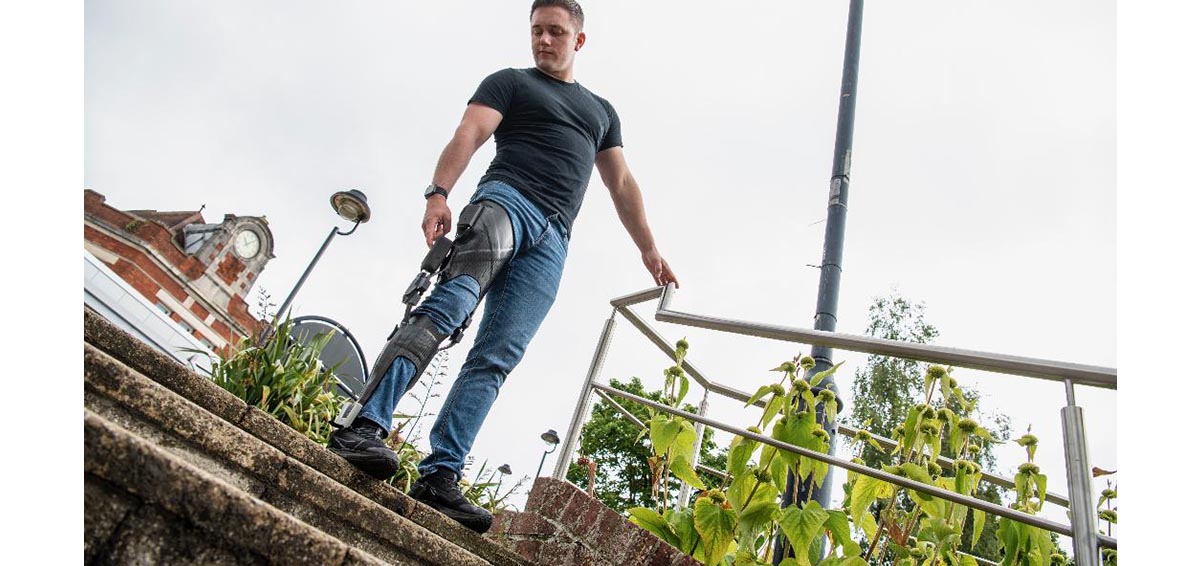
Ultraflex Systems announces the availability of the UltraSafeGait Adjustible Dynamic Resonse (ADR) , Pediatric Ankle/Foot Orthosis (AFO) for children with crouch gait types, equinus gait types, and all of their variants. The pediatric AFO complements UltraFlex’s...
Lower Extremity Review
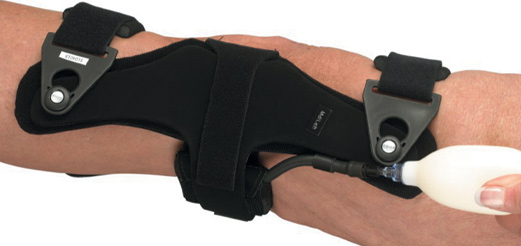
OrthoPro HyperEx Knee Brace
Ongoing Care Solutions offers the OrthoPro HyperEx knee brace for control of knee hyperextension and genu recurvatum. The light weight, easy to apply OrthoPro HyperEx Knee features a low profile and conforms to leg anatomy, minimizing migration. Along with a...
CalleX Exfoliating Foot Ointment
Xenna introduces the CalleX exfoliating ointment for dry, cracked feet. The patented topical exfoliating ointment is intended for use by the general and diabetic populations, and engineered to be preservative free. Callex exfoliating ointment thins and softens...
Alice Alan Luxury Comfort Shoes
Alice Alan, a boutique luxury comfort footwear designer and manufacturer, has debuted a women’s shoe collection that brings together the best of comfort, style and fit. Alice Alan footwear integrates a full-length, but removable, custom dress-shoe orthotic created in...
Dr. Comfort Compression Wear
Great styles, great quality, and great pricing set Dr. Comfort’s new line of compression wear apart from the rest. Designed with simplicity and style in mind to increase patient compliance, Dr. Comfort’s new Shape-To-Fit line of compression wear combines innovative...
Head Games: Neurocognitive contributors to noncontact injury
Because movement is controlled by the central nervous system, any type of cognitive disturbance can increase an athlete’s risk of injury. An increasing research focus on these neuropsychological variables could determine the future of rehabilitation and injury prevention.
By Charles Buz Swanik, PhD, ATC
Out on a limb: Kinder cuts
Surgery, for many patients, is the worst clinical outcome they can imagine, something to be adamantly avoided even if the alternative is a life of pain and disability. And that’s probably not surprising.
By Jordana Bieze Foster, Editor
Role of foot orthoses for patellofemoral pain
The key to documenting the effectiveness of foot orthoses for patellofemoral pain syndrome appears to be identifying which specific subgroup of PFPS patients are most likely to benefit. Evidence-based clinical prediction rules offer guidance for optimizing clinical outcomes.
By Christian J. Barton, BPhysio(Hons)
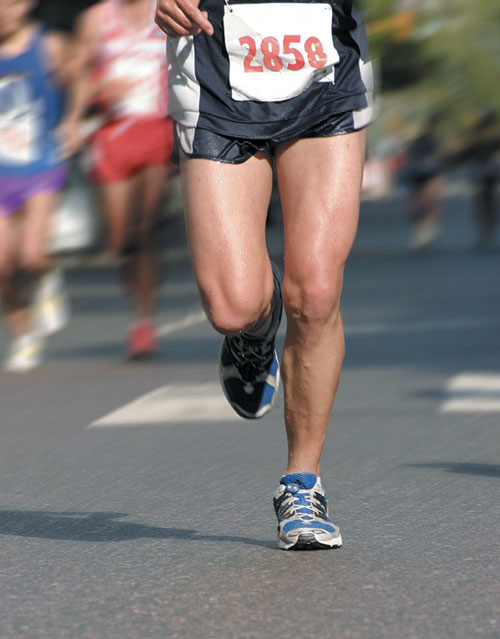
Deformity and diabetes dictate surgical strategy
Offloading devices are the first line of defense in healing and preventing diabetic foot ulcers. But when ulceration-prone areas of the foot are associated with anatomical deformities or biomechanical impairments, surgery may be a more effective option.
by Cary Groner
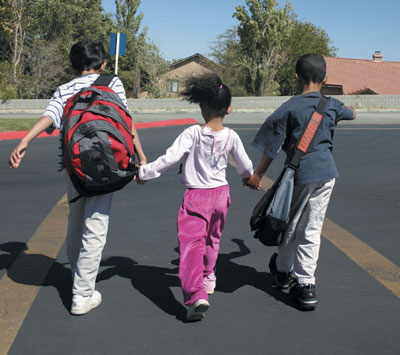
Analyze this: Kids’ shoes
Findings suggest divergent gait effects
The findings of a recent meta-analysis seem likely to fuel the ongoing discussion about the relative biomechanical advantages of footwear relative to barefoot walking or running, but not necessarily in the ways one might expect.
New frontiers in PTTD
Focus is on ultrasound, hip strength
Research presented in February at the Combined Sections Meeting of the American Physical Therapy Association highlighted underappreciated clinical characteristics of posterior tibial tendon disorder that could influence patient management.
Inversion ankle sprains: Seeking optimal support
Maximal protection of multiple ankle ligaments following a sprain requires a taping technique or brace that provides restraint of rotary talocrural and subtalar joint displacements within the transverse plane as well as restraint of inward hindfoot motion within the frontal plane.
By Gary Wilkerson, EdD, ATC
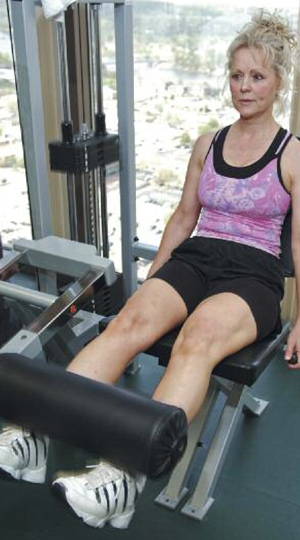
Quadriceps strength and risk of knee OA
Evidence from the medical literature suggests that quadriceps weakness may be a potentially modifiable risk factor for incident symptomatic and progressive knee osteoarthritis, although its relative significance seems to be a function of patient gender and malalignment.
By Neil A. Segal, MD, MS, and Natalie A. Glass, MA
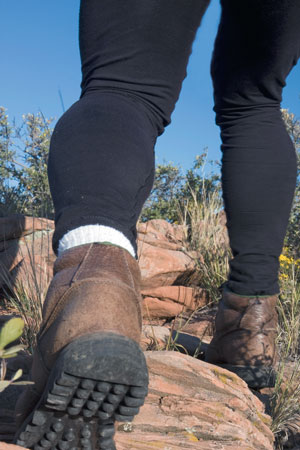
Exercise related leg pain: More than ‘shin splints’
Indiscriminate use of the popular term “shin splints” has led to confusion about the true complexities of exercise related leg pain in athletes, which can include medial tibial stress syndrome, chronic exertional compartment syndrome, stress fractures, and tendinopathies.
By Mark F. Reinking, PT, PhD, SCS, ATC
Lymphedema presents therapeutic challenges
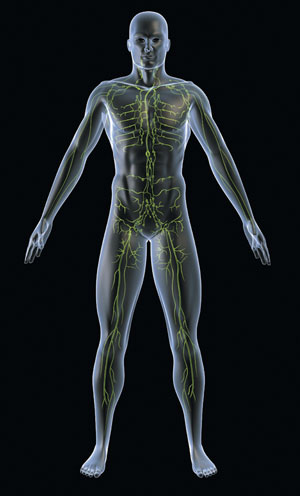
Although lymphedema in the past has often been overlooked or misdiagnosed, a growing number of certified practitioners are using the conservative treatment techniques of manual lymph drainage and complete decongestive therapy to effectively treat lymphedema patients.
By Harold Merriman, PT, PhD, CLT
Join
Subscribe For Updates
Stay in the loop with the latest news and updates! Subscribe now to receive exclusive content, special offers, and important announcements straight to your inbox. Don’t miss out – join our community today for all the latest updates delivered directly to you.