Investigators from the Hospital for Special Surgery (HSS) on March 14 presented research at the 2017 Annual Meeting of the American Academy of Orthopaedic Surgeons (AAOS) in San Diego that confirms a seven-question survey developed at the Manhattan-based center is a valid and efficient tool for assessing patient outcomes following revision total knee replacement.
Lower Extremity Review
Curbell aids high school prosthetic project
Orchard Park, NY-based Curbell Plastics in March provided technical expertise and donated material to students in the Technology and Engineering (STEM) Program at Wilson High School in West Lawn, PA.
PCL brace reduces peak PFJ pressures
The Journal of Experimental Orthopaedics on March 31 published a study of Foothill Ranch, CA-based Össur’s Rebound PCL (posterior cruciate ligament) brace, showing the device significantly reduced peak patellofemoral joint (PFJ) pressures in in PCL-deficient knees compared with no brace.
Tekscan launches gait analysis system
Boston, MA-based Tekscan on April 28 introduced the worldwide release of its Strideway gait analysis system. The modular pressure measurement system provides kinetic, temporal, and spatial gait parameters, as well pressure and force data.
Protecting hip implants: Gait patterns help predict wear rates
Patient-specific implant wear rates following total hip arthroplasty (THA) are more strongly associated with gait patterns than component positioning, according to research from Chicago that suggests implant wear could be reduced with the use of predictive wear models.
By Katie Bell
Hallux valgus angle and pain improve after year of custom toe separator use
A custom-molded silicone toe separator can help reduce hallux valgus angle and pain in patients with hallux valgus, according to research from Thailand.
By Jordana Bieze Foster
Even in older women, mechanical loading leads to Achilles adaptation
Fourteen weeks of mechanical loading is associated with Achilles tendon adaptations in senior women, according to German findings suggesting older age should not exclude patients from exercise-based Achilles rehabilitation.
By Jordana Bieze Foster
From prints to prison: Forensic podiatry and gait analysis gain ground
Increasingly, lower extremity experts are being called on to assist with crime scene investigations by analyzing footprints, shoe prints, and the gait patterns of shadowy figures on security videos. For members of this fledgling field, as Sherlock Holmes famously said, the game is afoot.
By Shalmali Pal
Protocol helps improve TKA outcomes, cut costs
A multidisciplinary joint replacement program is improving patient outcomes, decreasing complications, and shortening hospital stays, which helps to lessen clinical anguish following total knee arthroplasty as well as the financial burden on patients and the healthcare system.
By Katie Mullen, SPT; Jon R. Cook, PT, DPT; Meghan Warren, PT, MPH, PhD; and Tarang Jain, PT, PhD, DPT
Metatarsal morphology and injury risk in runners
Although it has not been shown to be a risk factor for stress fracture in traditional running, the presence of Morton’s foot (a second metatarsal longer than the first) alters running mechanics in ways that may exacerbate the risks of forefoot injury associated with alternative running styles.
By Brian E Stoltenberg, DPT, OCS, CSCS; and Donald L Goss, PT, PhD, OCS, ATC
The troublesome triad of diabetic ulcer healing
Uncontrolled deformity, deep infection, and ischemia-hypoxia make up the troublesome triad of confounders associated with healing challenges in patients with diabetic foot ulcers. Clinical examination and intervention in nonhealing patients should focus on these three elements.
By Anna Maria M. Tan, DPM; Michael B. Strauss, MD; and Lientra Q. Lu, BS
Out on a limb: Workload roulette in the NFL
A recent study reported that National Football League (NFL) running backs with more than 300 carries in a season are not more likely to miss time with an injury the following season than those with considerably fewer carries. For fantasy football players, this is great news. But for sports medicine experts, it’s a reminder that injury risk rarely can be boiled down to a single parameter.
Jordana Bieze Foster, Editor
FS6 Compression Foot Sleeve
Allied OSI Labs has added the FS6 Compression Sleeve to its growing catalog of products for foot and ankle practices. The FS6 Compression Sleeve is designed to relieve the pain and swelling associated with plantar fasciitis by offering six zones of compression and support: firm compression…
Orpyx SurroSense Rx
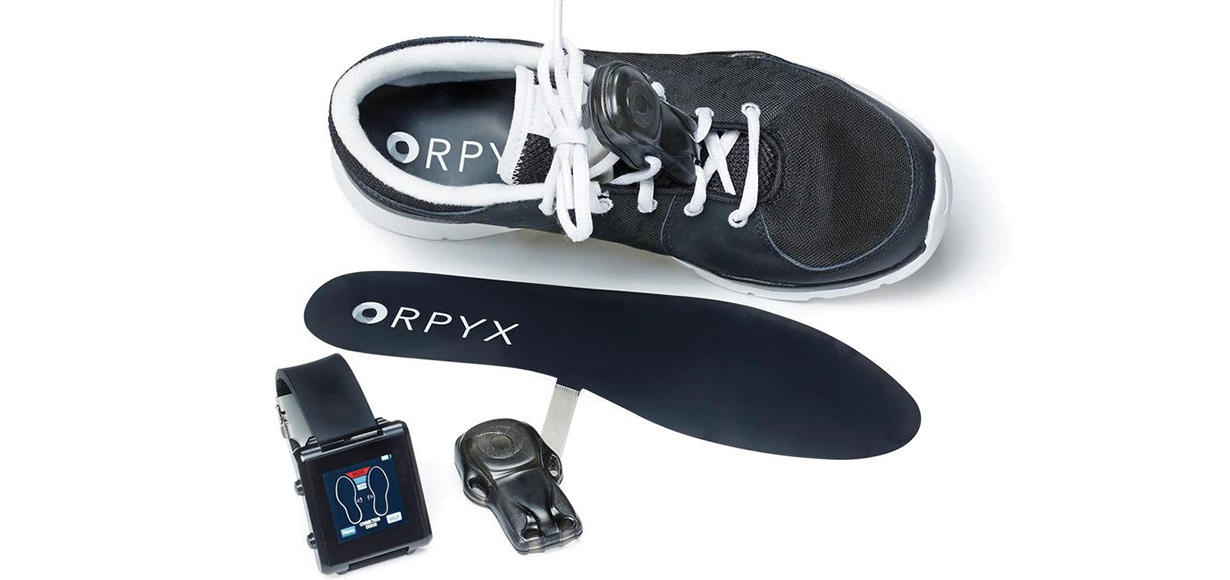
Orpyx’s flagship product, the SurroSense Rx, is a wearable tool to help manage and track complications associated with diabetic peripheral neuropathy. The SurroSense Rx system alerts the user via a smartwatch when plantar pressures are detected above a threshold level for a prolonged period, so…
SportsAT 2.0 Software
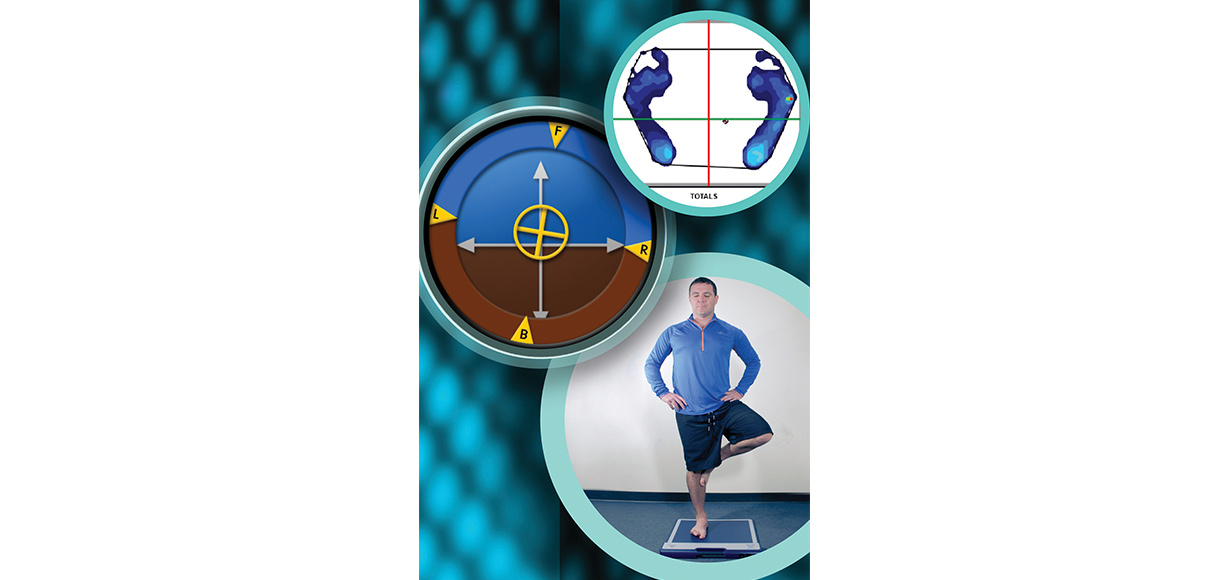
New from Tekscan, the SportsAT 2.0 software provides essential information for complete balance and concussion assessments. Sports medicine professionals can use SportsAT 2.0 to complete objective baseline and postinjury tests, quickly assess injury risk, identify asymmetries, and…
Join
Subscribe For Updates
Stay in the loop with the latest news and updates! Subscribe now to receive exclusive content, special offers, and important announcements straight to your inbox. Don’t miss out – join our community today for all the latest updates delivered directly to you.