Despite established indications, compression therapy is widely underutilized in all settings of venous thromboembolism due to a substantial education gap among practitioners.
By Marlin W. Schul, MD, MBA, RVT

Lower Extremity Review

Despite established indications, compression therapy is widely underutilized in all settings of venous thromboembolism due to a substantial education gap among practitioners.
By Marlin W. Schul, MD, MBA, RVT
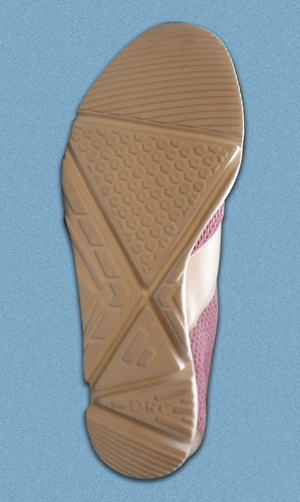
Research suggests that redirecting ground reaction forces relative to the knee joint’s rotational center can be achieved by repositioning the foot through a number of different mechanisms.
By Roy H. Lidtke, DPM, CPed

The effect of hallux valgus on a patient’s quality of life starts with a frustrating inability to find fashionable shoes that fit—but evidence suggests it doesn’t end there.
By Larry Hand

Evidence-based standardization of yoga postures will improve outcomes and acceptance. Downward facing dog offers an opportunity to illustrate the underlying alignment precepts.
By Ginger Garner, MPT, ATC

Most practitioners are aware that controlling glucose levels through diet is one way to manage symptoms of peripheral neuropathy. What’s less widely known is that there is also evidence to support the use of nutritional supplements in the same patient population.
By David Shofler, DPM and Jonathan Labovitz, DPM, FACFAS

The key to documenting the effectiveness of foot orthoses for patellofemoral pain syndrome appears to be identifying which specific subgroup of PFPS patients are most likely to benefit. Evidence-based clinical prediction rules offer guidance for optimizing clinical outcomes.
By Christian J. Barton, BPhysio(Hons)

Offloading devices are the first line of defense in healing and preventing diabetic foot ulcers. But when ulceration-prone areas of the foot are associated with anatomical deformities or biomechanical impairments, surgery may be a more effective option.
by Cary Groner
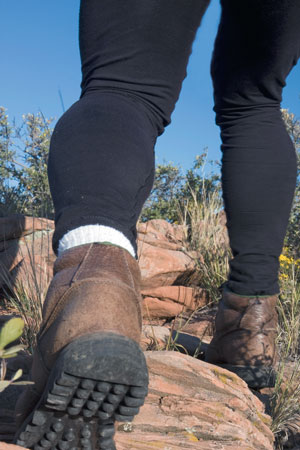
Maximal protection of multiple ankle ligaments following a sprain requires a taping technique or brace that provides restraint of rotary talocrural and subtalar joint displacements within the transverse plane as well as restraint of inward hindfoot motion within the frontal plane.
By Gary Wilkerson, EdD, ATC
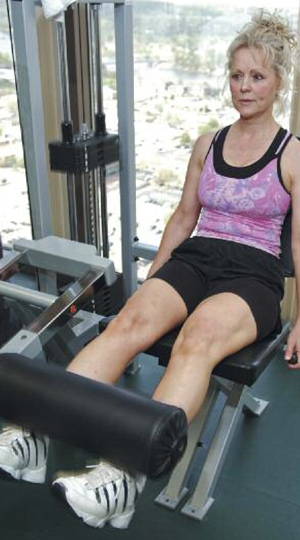
Evidence from the medical literature suggests that quadriceps weakness may be a potentially modifiable risk factor for incident symptomatic and progressive knee osteoarthritis, although its relative significance seems to be a function of patient gender and malalignment.
By Neil A. Segal, MD, MS, and Natalie A. Glass, MA
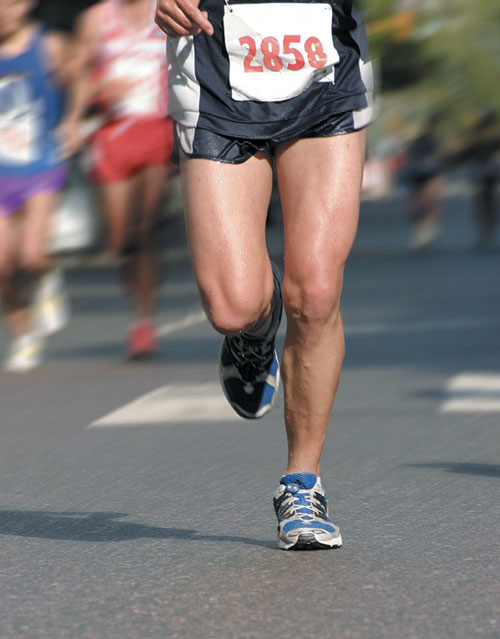
Indiscriminate use of the popular term “shin splints” has led to confusion about the true complexities of exercise related leg pain in athletes, which can include medial tibial stress syndrome, chronic exertional compartment syndrome, stress fractures, and tendinopathies.
By Mark F. Reinking, PT, PhD, SCS, ATC
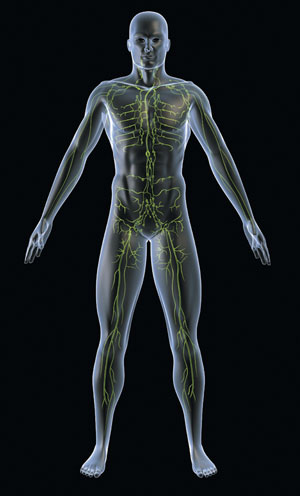
Although lymphedema in the past has often been overlooked or misdiagnosed, a growing number of certified practitioners are using the conservative treatment techniques of manual lymph drainage and complete decongestive therapy to effectively treat lymphedema patients.
By Harold Merriman, PT, PhD, CLT

Los pacientes con diabetes que han sido objeto de una amputación parcial del pie son los más vulnerables a la re- ulceración. El calzado, las platillas, las prótesis parciales de pie, las ortesis de pie y tobillo pueden ayudar a reducir ese riesgo al mismo tiempo que mejoran la función.
Por: Erick Janisse, CPed, CO y Dennis Janisse, CPed

Ankle foot orthoses can make a neuromuscular patient’s gait pattern more like that of an unaffected person, but the devices can also be associated with compensations of their own. And in some patients, a more ‘normal’ gait pattern is not necessarily going to be more functional.
by Cary Groner
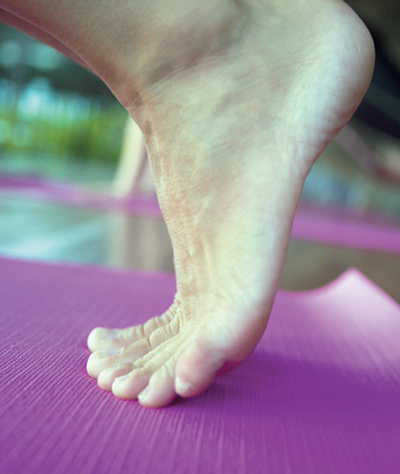
Guidelines recommend cardiovascular and strengthening exercises in patients with diabetes, but flexibility exercises focused on the foot and ankle can impart added benefits. Improving range of motion can positively affect gait, pressure distribution, and risk of foot ulceration.
By Pamela D. Ritzline, PT, EdD, and Audrey Zucker-Levin, PT, PhD.

Bracing is often recommended after anterior cruciate ligament reconstruction, in the interest of controlling range of motion and protecting the graft as it heals. However, few studies have scientifically examined this practice, and the available findings are conflicting.
By Laura Chachula, Kenneth L. Cameron, PhD, ATC, LTC Steven J. Svoboda, MD, and LTC Brett D. Owens, MD
Join
Stay in the loop with the latest news and updates! Subscribe now to receive exclusive content, special offers, and important announcements straight to your inbox. Don’t miss out – join our community today for all the latest updates delivered directly to you.