Lower extremity focus helps cut risk of falls

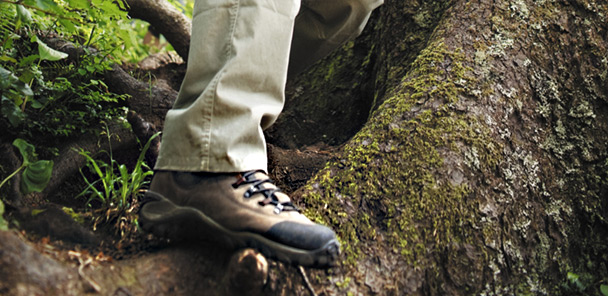
Lower extremity focus helps cut risk of falls

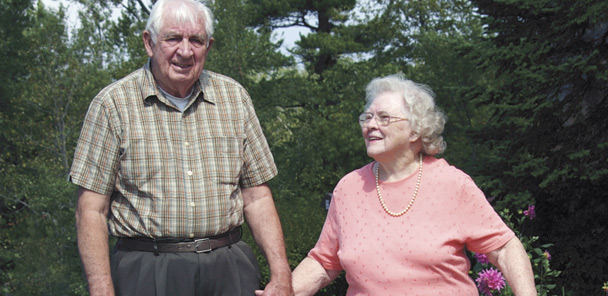
Falls are common, disabling and costly. Causes are multifactorial but include foot disorders, ill-fitting footwear, and poor bal­ance. Recent research supports a multi­dis­ci­plinary approach to falls prevention and indicates that lower extremity practi­tioners can play an important role.

By Hylton B. Menz, PhD, and Martin J. Spink, BPod(Hons)

read more
Compartment syndrome following tibia fracture

Compartment syndrome following tibia fracture

Acute compartment syndrome can devel­op after open or closed tibial fractures, even those that appear to be benign. Early diagnosis of increased compart­mental pres­­sure and timely surgical intervention can prevent adverse out­comes including nerve injury and muscle necrosis.

By Langdon A. Hartsock, MD, and William R. Barfield, PhD

read more
Success of hinged AFOs depends on alignment

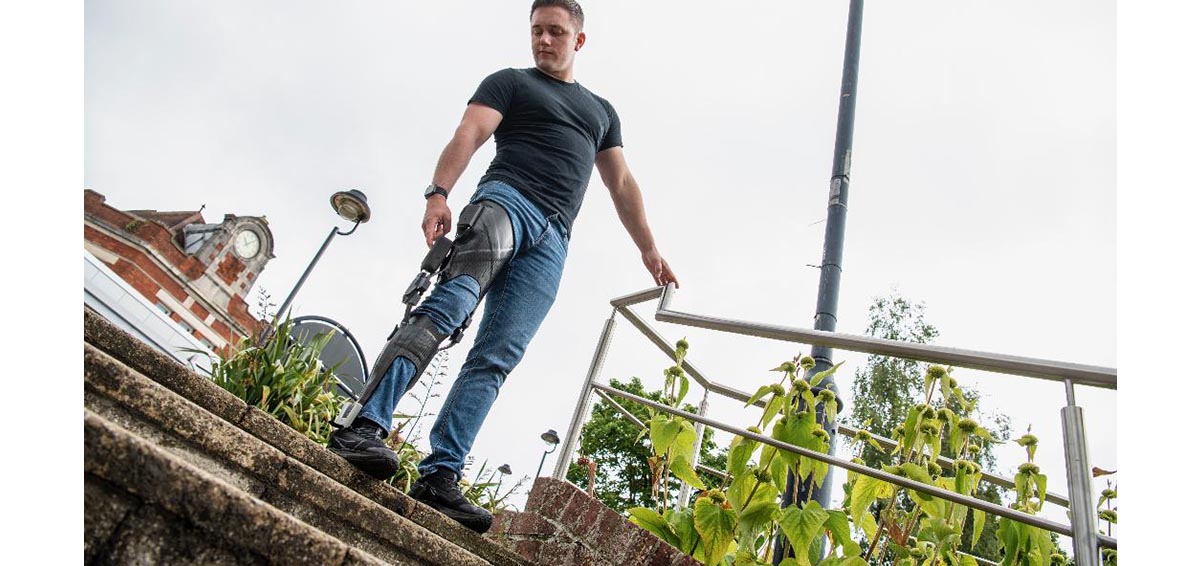
Success of hinged AFOs depends on alignment

Misalignment between the mechanical joint of an articulated AFO and the cor­responding anatomical joint can signifi­cant­ly affect the device’s mechanical properties, particularly resistance and stiffness, which can impair AFO effective­ness and negatively affect proximal joints.

By Fan Gao, PhD, and Susan Kapp, MEd, CPO, LPO, FAAOP      

read more
Foot-shoe mismatches leave patients at risk

Foot-shoe mismatches leave patients at risk

Survey results suggest that at least one-third of individuals at risk for foot pain or diabetic foot ulcers are wearing shoes that are at least one size too big or too small, which can further increase those risks. Proper shoe fit and foot health start with patient education.

By Stephanie Swensen, BSc, and Ran Schwarzkopf, MD, MSc     

read more
Original research: Taping alters ankle biomechanics

Original research: Taping alters ankle biomechanics

This study found that closed basket-weave ankle taping significantly affects ankle range of motion and time to peak vertical ground reaction force, which can have implications higher up the kinetic chain that appear to vary from one indivi­dual to another.

By Matthew L. Santos-Vitorino, MS, ATC, LAT, Sue Shapiro, EdD, ATC, LAT, Kathy Ludwig, PhD, and Claire Egret, PhD

read more
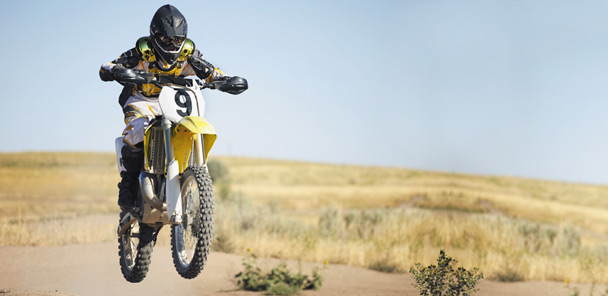
Knee bracing benefits off-road motorcyclists

Knee bracing benefits off-road motorcyclists

New research suggests that serious injuries occur as frequently in off-road motorcycle racing as they do in football, but such injuries occur less frequently in riders who wear knee braces.This may be why, although it is not well studied, knee bracing is widespread among off-road motorcycle riders.

By Wesley M.Gladin, BS, Robert A.Cates, BA, and Mark S.Sanders, MD, FACS

read more
Adult acquired flatfoot: Nonoperative options

Adult acquired flatfoot: Nonoperative options

Adult acquired flatfoot deformity, primarily posterior tibial tendon dysfunction, in many cases can be successfully managed with conservative treatment modalities including early immobilization, long-term bracing, physi­cal therapy, and anti-inflam­matory medications.

By Robert W. Mendicino, DPM, FACFAS, Alan R. Catanzariti, DPM, FACFAS, and Kyle S. Peterson, DPM

read more
Knee OA: The evidence for gait modification

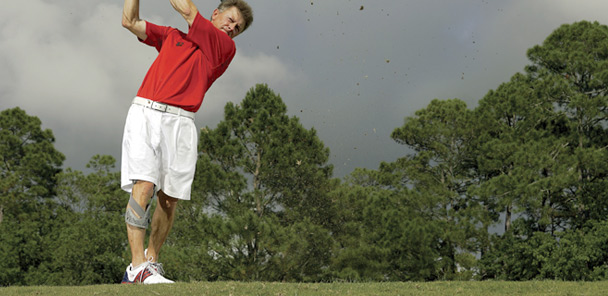
Knee OA: The evidence for gait modification

Gait retraining can potentially alter walking biomechanics such that knee adduction moment is reduced, an inexpensive off­loading option that does not require device wear. Gait modification studies to date have primarily focused on foot rotation, trunk lean, and knee medialization.

By Michael A. Hunt, PT, PhD

read more

Join

Subscribe For Updates

Stay in the loop with the latest news and updates! Subscribe now to receive exclusive content, special offers, and important announcements straight to your inbox. Don’t miss out – join our community today for all the latest updates delivered directly to you.