Commercially available insoles from Dr. Scholl’s, a division of Wippany, NJ-based Bayer, are associated with reduced vertical loading rates during running in healthy volunteers, according to a study epublished in October by the Clinical Journal of Sport Medicine.
Lower Extremity Review
BRAINS, SPRAINS, AND CHRONIC PAIN: Concussion consequences may include osteoarthritis
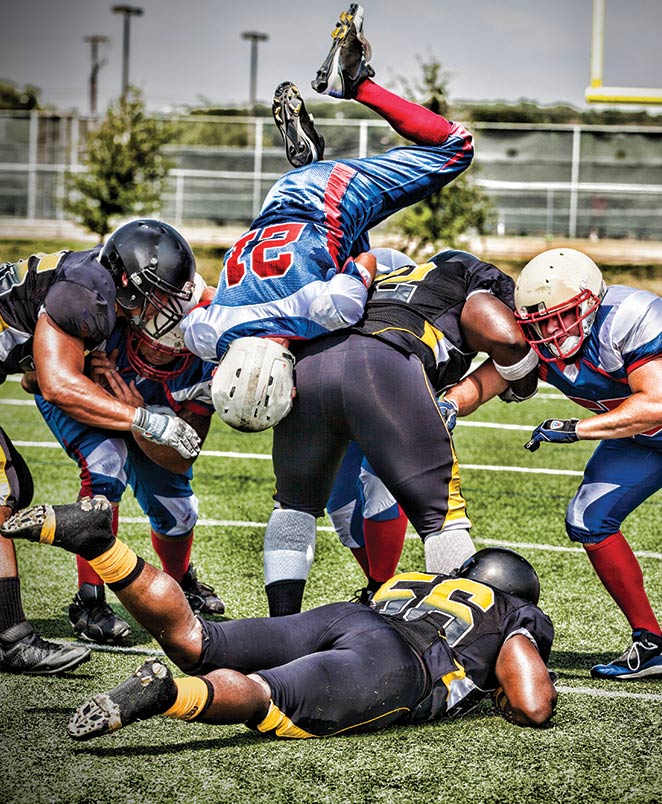
As a growing number of studies report associations between concussion and musculoskeletal injury risk, new research suggests concussed athletes may also have an increased risk of osteoarthritis later in life.
By Robert C. Lynall, PhD, ATC; Timothy C. Mauntel, PhD, ATC; David R. Howell, PhD, ATC; and Thomas A. Buckley, EdD, ATC
From barefoot running to diabetic neuropathy
Because footwear alters sensory perception, research examining the role of cutaneous feedback in barefoot running may provide important insight related to some of the gait changes that occur in patients with…
By Melissa Thompson, PhD, and Kristine Hoffman, DPM, FACFAS
Focus on biomechanics helps treat claudication
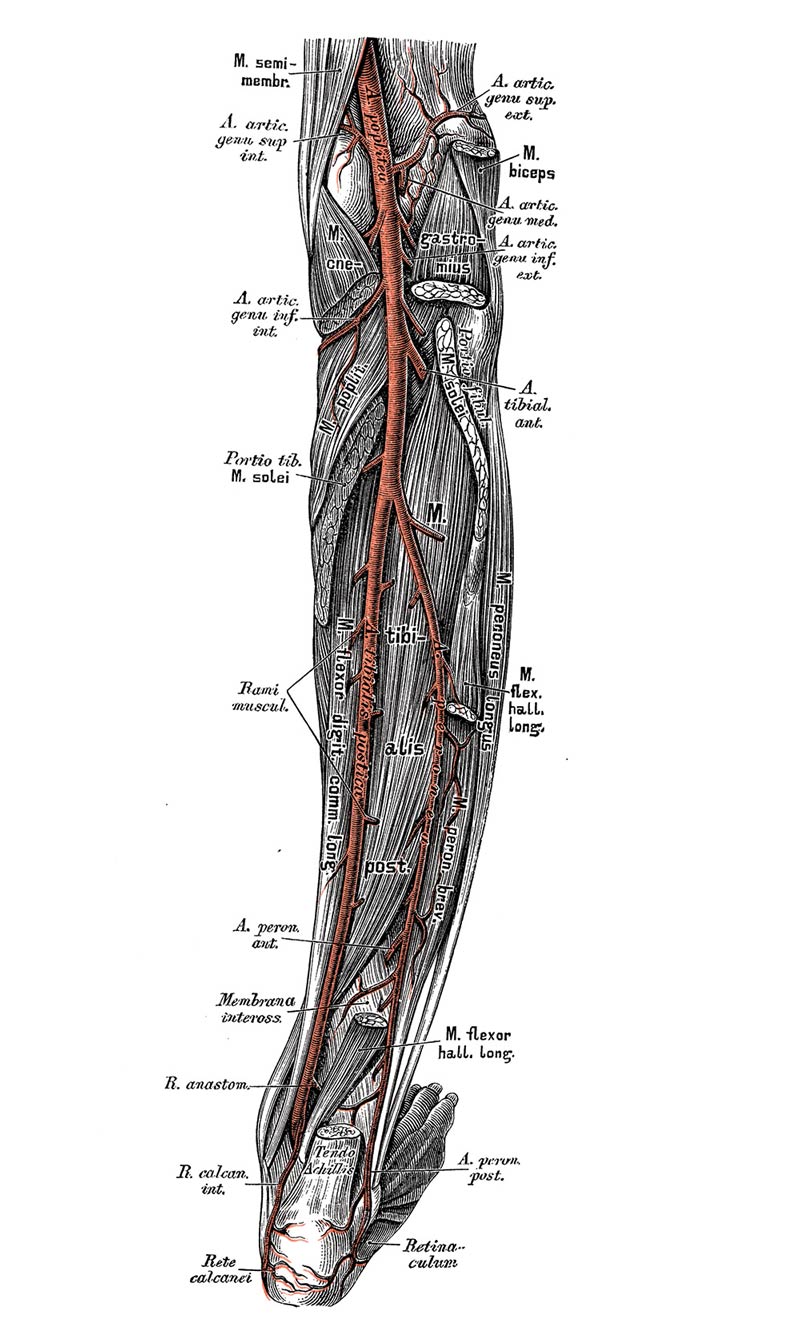
Lower extremity clinicians say ankle foot orthoses, rocker-soled shoes, and other orthotic interventions can benefit patients with peripheral arterial disease and intermittent claudication by making it easier for them to exercise, and research is starting to demonstrate these benefits.
By Shalmali Pal
Assessing runners’ gait using wearable sensors
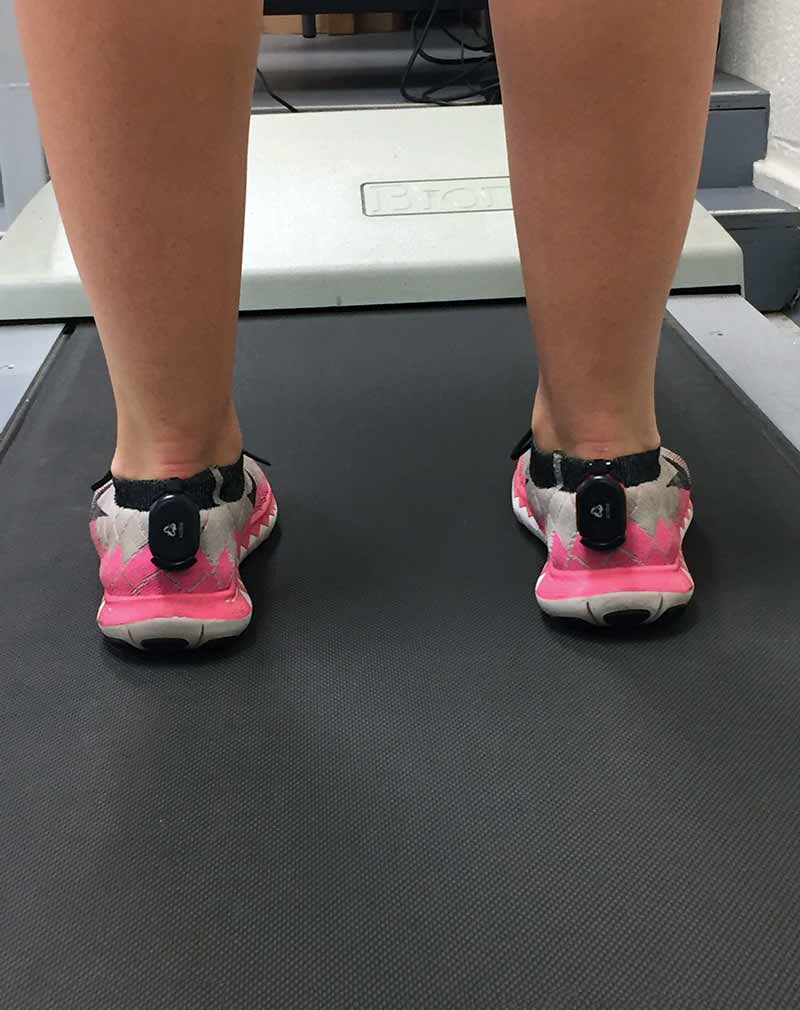
Wearable sensors allow for the collection of running biomechanics data outside the laboratory in natural training environments, enabling clinicians to collect a large volume of information in a relatively short time to help identify and manage individuals who may be at risk for running-related injuries.
By Rachel Koldenhoven, MEd, ATC; and Alex DeJong, MEd, ATC
When a longtime patient dies: How clinicians cope
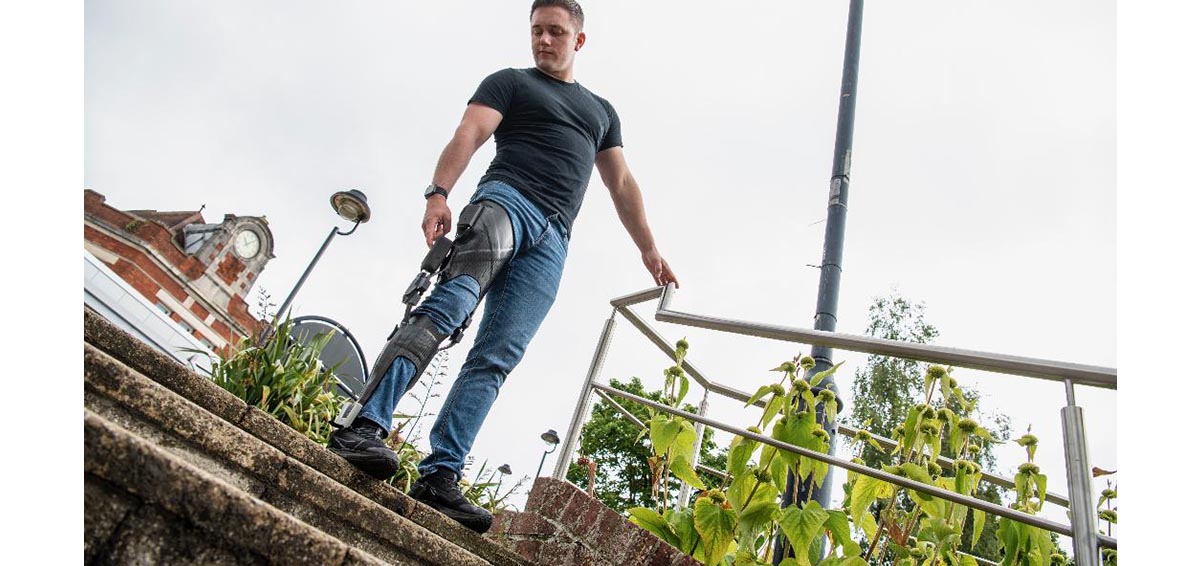
It’s not unusual for any practitioner to experience complicated emotions when a death or a terminal diagnosis disrupts the personal bond forged with a patient over many years, but experts say lower extremity clinicians often are not well equipped to deal with these emotions.
By Emily Delzell
Out on a limb: Low tech, high value
The use of advanced technologies to provide feedback to patients during rehabilitation is all the rage in lower extremity healthcare. But, as exciting as these new modalities can be, it’s important to remember that low-tech feedback strategies can make hi-tech data even more clinically useful.
Jordana Bieze Foster, Editor
Hot tip to predict ulcer risk: Repeat temperature test for best results
The concept of foot temperature monitoring to identify areas of increased risk of ulceration in patients with diabetes is promising, but new research from the Netherlands suggests clinical use of the technology will require more than a single temperature assessment.
By Keith Loria
Gait findings support focus on proximal muscle function in people with diabetes
Lower extremity muscle force during gait differs significantly among patients with diabetic neuropathy, patients with diabetes but no neuropathy, and controls, according to research from Brazil that underscores the importance of maintaining proximal muscle function in patients with diabetes.
By Jordana Bieze Foster
Variability in glycemic control can help estimate time needed to heal foot ulcers
Glycemic variability—fluctuations in HbA1c level from one visit to another—is significantly associated with foot ulcer healing time in patients with diabetes, according to research from the UK.
By Jordana Bieze Foster
Runners’ knees get a lift: Elevating heel cuts patellofemoral load
Wearing heel lifts in conventional running shoes can help reduce patellofemoral joint loading and may offer an alternative to gait retraining in runners with patellofemoral pain (PFP), according to research conducted at the University of Wisconsin-La Crosse.
By Jill R. Dorson
Combination of four variables predicts 90% of recurrent lateral ankle sprains
A combination of four variables predicts 90% of cases of recurrent lateral ankle sprain within one year of an initial sprain, according to research from the University of Sydney in Australia.
By Jordana Bieze Foster
Video overlay feedback helps improve biomechanics of sport-specific landing
Video feedback is associated with improved landing mechanics—suggesting a reduced risk of anterior cruciate ligament injury—during a sport-specific task, according to research from the University of Groningen Medical Center in the Netherlands.
By Jordana Bieze Foster
I-Runner Elite with Velcro
The I-Runner PDAC-approved diabetic shoe family continues to grow. I-Runner proudly introduces its first-ever Velcro closure model, the Elite.Designed by pedorthists, the Elite features a single 1″ strap that sits high on the…
CuraMedix DuoLith SD1 TT
The FDA-approved DuoLith SD1 TT from CuraMedix is the next generation of extracorporeal shock wave therapy (ESWT), with focused CylindricalSource technology, as a nonsurgical treatment for pain associated with chronic proximal plantar fasciitis.
Join
Subscribe For Updates
Stay in the loop with the latest news and updates! Subscribe now to receive exclusive content, special offers, and important announcements straight to your inbox. Don’t miss out – join our community today for all the latest updates delivered directly to you.