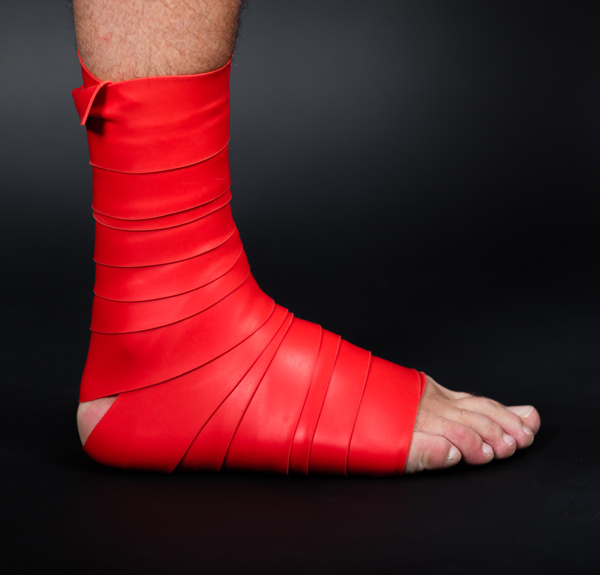
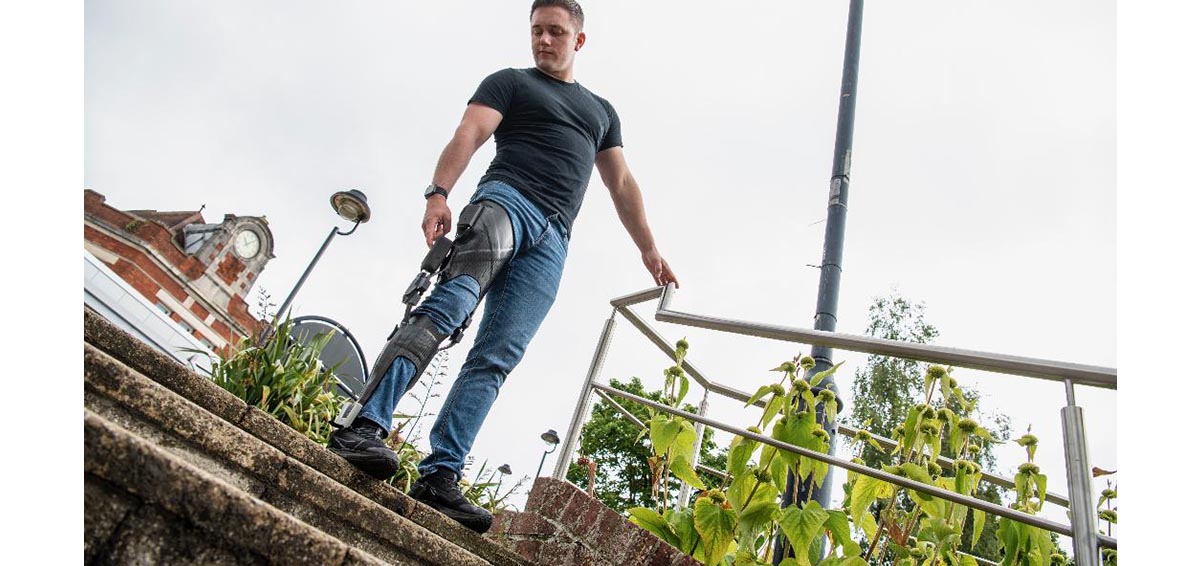
ING Source, Inc. of North Carolina is best known for its proprietary application of compression therapy into orthopedic and sports bracing, Compression Zone Technology (CZT). Under its brand OS1st Base Layer Bracing, ING Source, Inc. has announced a new range of therapeutic socks under the banner, “Socks with Purpose.”
Lower Extremity Review
NAAOP Comments on MEDPAC Orthotics Report
In June, the Medicare Payment Advisory Commission (MEDPAC) filed a report with Congress, regarding Medicare and the healthcare delivery system, in which there is a section on orthotics and that includes a recommendation to implement competitive bidding for off-the-shelf (OTS) orthotics.
ShearBan Low Friction Patches: New Bulk and Retail Options
ShearBan is an ultra-thin, self-adhesive, low-friction patch designed to address friction and shear forces that contribute to blisters, corns, calluses, and diabetic foot ulcers. The patches are applied directly to braces, prosthetic sockets, and footwear where a person is experiencing painful rubbing.
Why You Hurt System
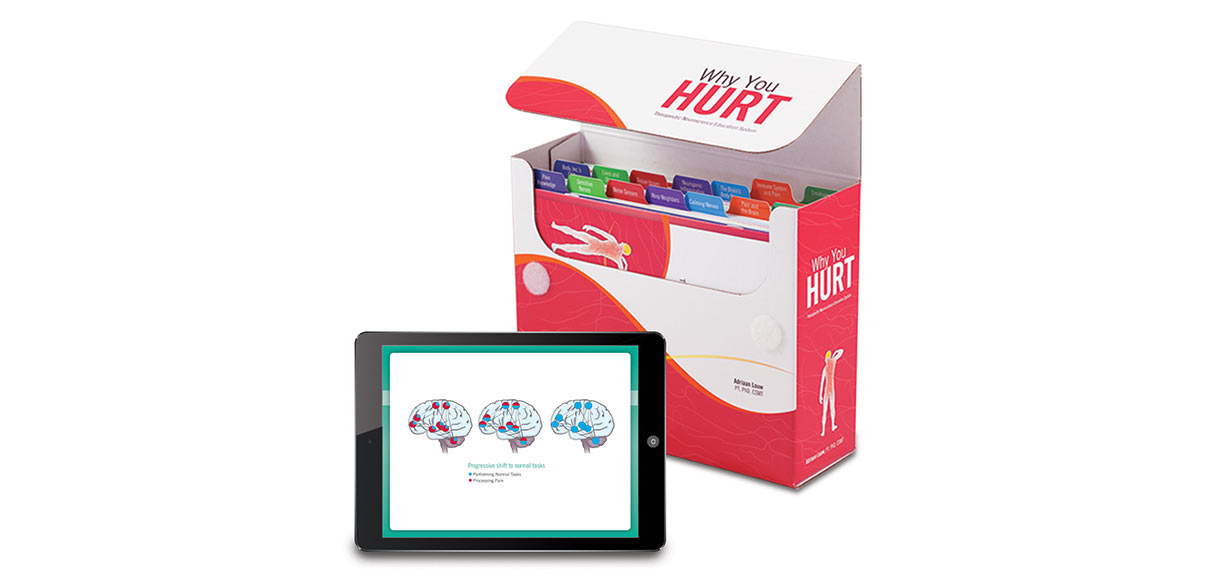
The Why You Hurt: Therapeutic Neuroscience Education System by Adriaan Louw, PT, PhD, CSMT, is a tool that clinicians can use to teach their patients what pain is and how it works. Available from OPTP, the system uses illustrated flashcards, discussion topics, teaching cues, and homework sessions that refine complex neuroscience into metaphors, examples, and images.
Bill Will Allow NPs, PAs to Certify Need for Diabetic Shoes
New legislation was recently introduced that would allow nurse practitioners (NPs) and physician assistants (PAs) to satisfy Medicare’s documentation requirement for coverage of certain shoes for people with diabetes, allowing those patients easier access to that care. The bill, “Promoting Access to Diabetic Shoes Act,” was introduced into the 115th Congress by Senators Sherrod Brown (D-OH) and Susan Collins (R-ME).
Instant Ice Wrap Combined Cooling and Compression
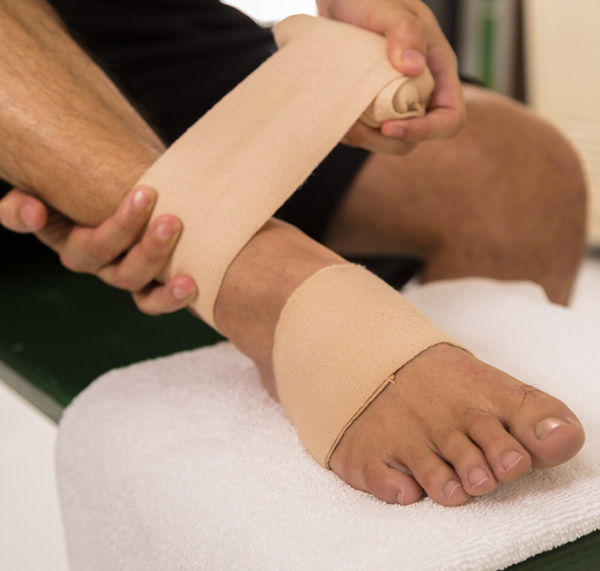
Instant Ice Wrap functions as an alternative to bags of ice to provide both cooling and compression to treat lower extremity pains. The treatment alternative helps to reduce swelling and offers joint and muscle pain relief without the risk of frostbite, skin burn, or irritation that can be associated with traditional icing.
Children’s 3R67 Prosthetic Knee
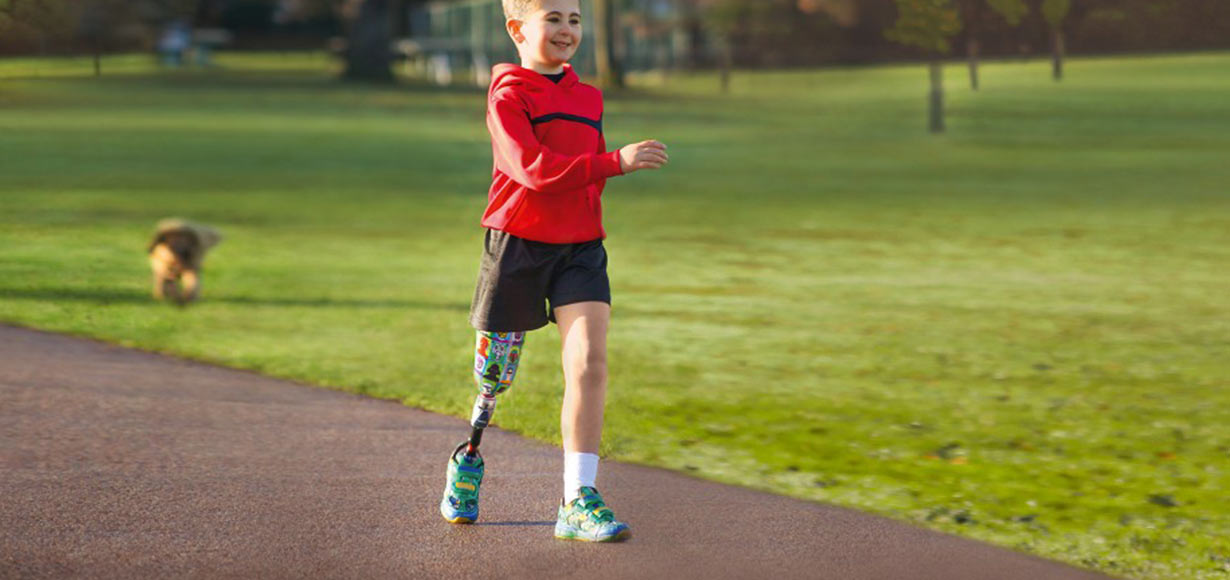
Ottobock HealthCare’s 3R67 prosthetic knee joint is the first everyday prosthesis with hydraulic swing phase control specifically for children. Children have different prosthetic needs than adults — and the cutting-edge technology of the new 3R67 prosthetic knee joint meets the everyday demands of…
Low-Cost Prosthetic Foot Mimics Natural Walking
Massachusetts Institute of Technology (MIT) engineers have developed a simple, low-cost, passive prosthetic foot that can be tailored to an individual. Given a user’s body weight and size, the researchers can tune the shape and stiffness of the prosthesis, such that the user’s walk is similar to an able-bodied gait.
Ankle-foot orthoses and functional electrical stimulation for foot drop in MS: Pluses, minuses, progress
Assistive ambulation devices for the ankle can bolster walking speed and safety and lessen the risk of injury to the joint. But which of 2 technologies is best for your patient?
By Hank Black
EXPERT OPINION: Advances and alternatives in diabetic ulcer offloading
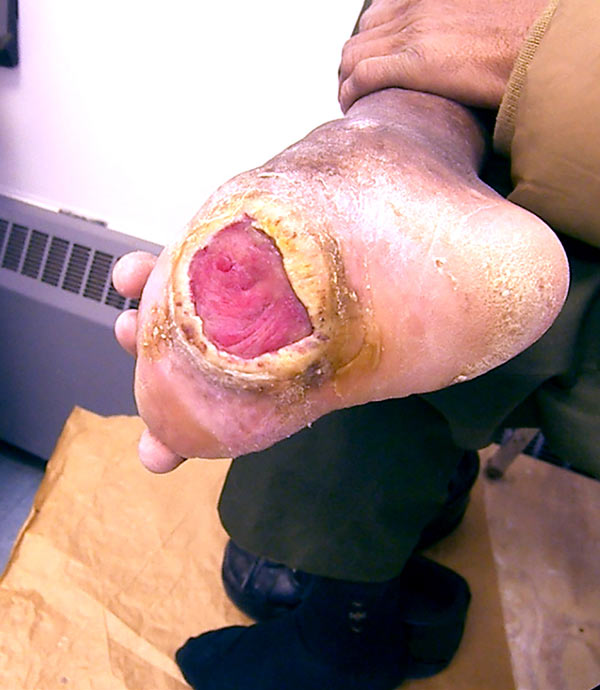
Diabetic foot ulcers pose life-threatening risks to patients with diabetes. Offloading of high pressure areas of the foot is key to successful treatment. We review various methods here.
By James McGuire, DPM, PT, LPed, FAPWHc, and Tyler Coye, BA
Management of acute ankle sprains: To immobilize or not?
Functional rehabilitation training protocols typically consist of stability and postural control exercises aimed at recovering from the proprioceptive defect that occurs after an ankle injury and preventing recurrent sprains by improving stabilometric results.
By Audris Tien, DPM, Jarrod Shapiro, DPM, FACFAS, FACFAOM, Jonathan Labovitz, DPM, FACFAS, CHCQM
Overuse Injuries in Elite Basketball Players
Equinus is the primary mechanical cause of acquired non-traumatic foot and ankle pathology—plantar fasciitis, AT, and MSS—in running sports. The three most common lower-extremity overuse injuries among those who participate in running-related sports such as basketball have all been linked to the…
By Patrick A. DeHeer, DPM, FACFAS, FASPS, FFPM RCPS (Glasg)
Gender Matters in Achieving Functional Performance
How many practice trials are needed to achieve functional performance in static and dynamic balance and hopping tests among those with chronic ankle instability (CAI)? That was the question Jordan Read, a student at the University of North Texas Health Science Center, Fort Worth, Texas, and colleagues looked to answer in his poster, Recommended Number of Trials for Balance and Hopping Tests between Male and Female CAI.1
The Effects of TT, FRT, and KT on Joint Angles and YBT Performance
Chronic ankle instability (CAI) is a common issue in the athletic population. Although there are many prophylactic taping methods used to prevent repetitive ankle sprains, the effects of these taping methods in dynamic postural control are not clearly understood.
The Effect of CAI on Landing/Cutting Lower-Extremity Kinematics, EMG, and GRF
In the poster, Altered Movement Neuromechanics during Jump Landing and Cutting in Patients with Chronic Ankle Instability,3 Hyunsoo Kim, assistant professor of the Department of Kinesiology, West Chester University, West Chester, PA, and colleagues looked at altered movement pattern in patients with CAI to examine biomechanical factors for CAI.
Join
Subscribe For Updates
Stay in the loop with the latest news and updates! Subscribe now to receive exclusive content, special offers, and important announcements straight to your inbox. Don’t miss out – join our community today for all the latest updates delivered directly to you.