








 By Robert Weil, DPM
Hey sports parents, coaches, and their special kids, what do I mean by the prodigy sports?
Very briefly, prodigy sports tend to be those athletic endeavors that are played mostly solo, such as tennis, ballet, figure skating, dance, or gymnastics plus soccer; some folks throw baseball pitching in there because of its unique skillset.
Age-wise, I’m talking about adolescents and youngers who are specializing in just one sport. So often, young talented athletes and their parents are faced with the question regarding their concentrating on their FAV main sport versus playing multiple sports. Today, it’s not unusual to see kids under age 12, even some as young as age 6, already putting all their efforts – and their parent’s money – into a single sport. The multi-sport athlete is far less common than years ago (remember those letter sweaters with letters for each sport?).
Some parents and coaches believe that youngsters will fall behind if they play different sports instead of just THE one sport; this is commonly called early specialization. Is early specialization good or bad? Does it achieve the outcome these parents and coaches are striving for? This is a good question with no exact answer!
ALL experts – sports medicine doctors, orthopedic surgeons, physical therapists, and athletic trainers – agree that early specialization is risky both physically and mentally!
MY bottom line has always taken into account the young athlete’s passion and insistence to specialize–hearing that kid say “I’m not interested in other sports, period!” It is the athlete’s passion I need to hear. Sports parents gotta listen!
YES, stressing and explaining to your youngster the facts and opinions of these experts about pros and cons is, of course, important, but so is listening to the child’s thoughts and feelings. AND if the decision is to specialize, then let’s understand that these prodigy kids require some SPECIAL attention!
By Special Attention I Mean…
Here are some important points:
Physically, with young growing bodies, playing the same sport with the same movements, same muscles used, same stresses to tissues is very challenging. Overuse and repetitive motion injuries to the upper and lower extremities are a real problem. It’s an unfortunate fact that these injuries are a youth sports epidemic. What I call the “Terrible 2s” – too much, too soon, too aggressive, can happen in any new sporting endeavor, but many feel that specializing just multiplies these problems.
It is important to include off sport and sport-specific functional conditioning that helps to develop the overall athlete and strengthening to prevent repetitive motion injuries. Often, this means a home program. Concentrate on what my long-time colleague and late National Fitness HOF teammate Bob Gajda, a famous sports performance specialist, called “strengthening the stabilizers and opposites.” These are the muscles and tendons that stabilize, counteract, and control these repetitive motions. Athletic trainers, physical therapists, and personal trainers can help devise and supervise these programs. Proper technique is essential. This kind of functional training is also great for multi-sport athletes.
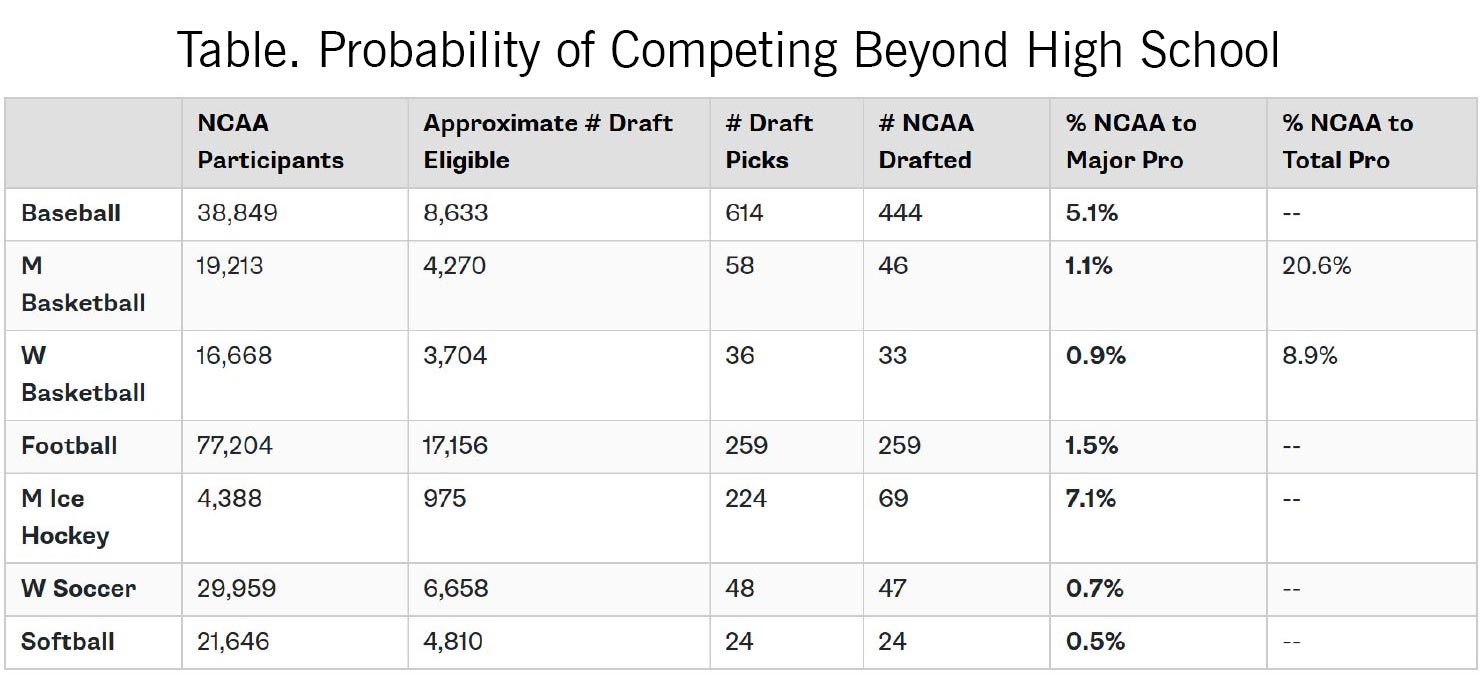
Source: NCAA Research. Estimated probability of competing in professional athletics. Published April 2024. Available at https://www.ncaa.org/sports/2015/3/6/estimated-probability-of-competing-in-professional-athletics.aspx. Accessed Feb. 11, 2025.
Make sure that strengthening feet and ankles and working balance is included, no matter what the sport, level, or age! This is vitally important!
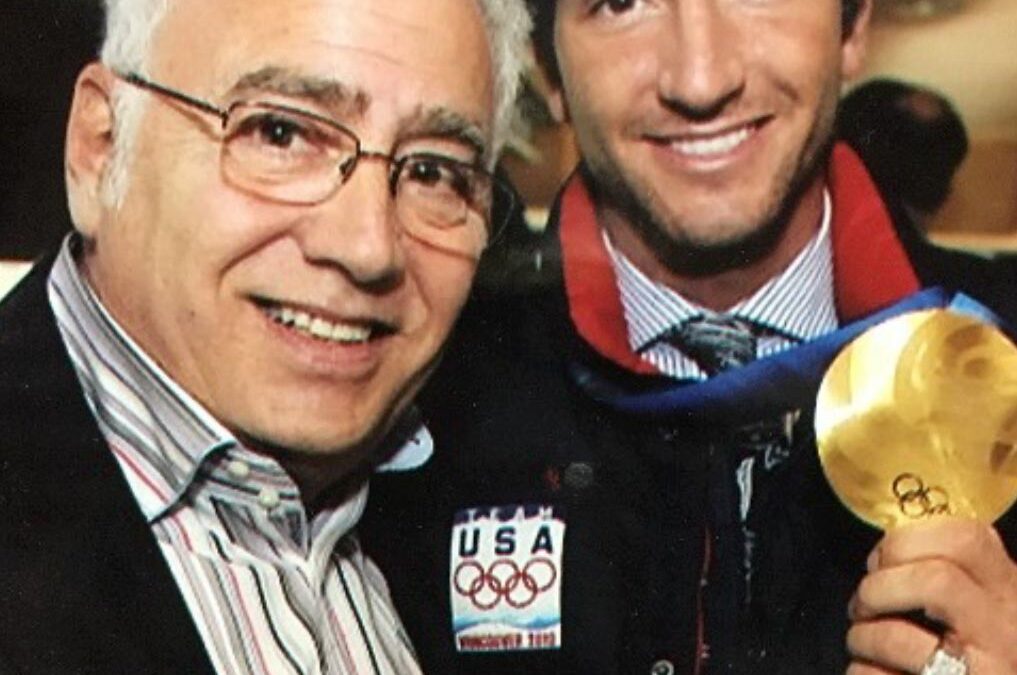
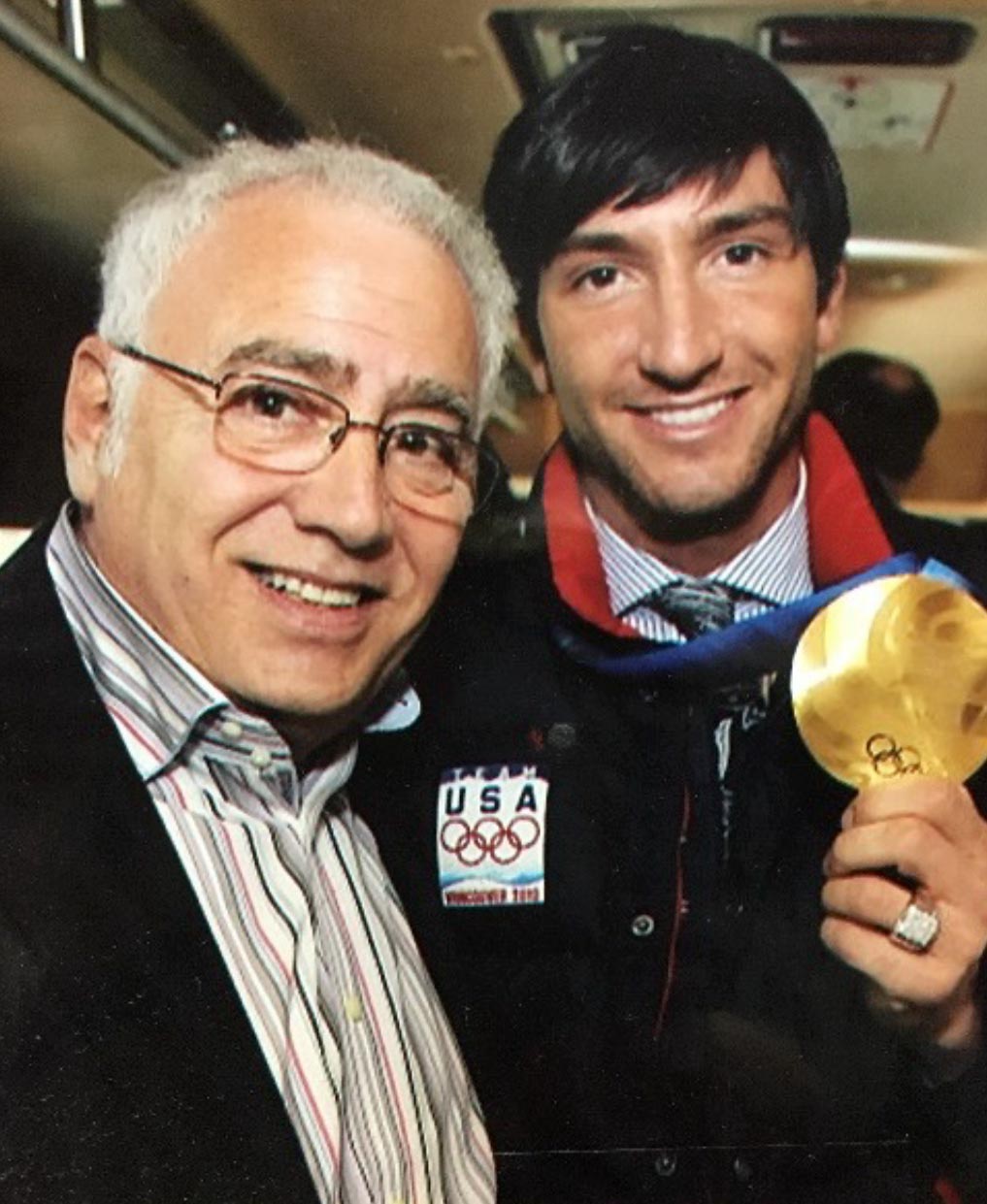
Gymnastics, figure skating, tennis, soccer, ballet, and dance, etc., are all examples of these prodigy sports. It’s common for me to see young figure skaters under the age of 10 skating and jumping 5–6 days/week. They are committed and want to go to practice. These kids are simply not interested in other sports – period! Young 10-yr-old Evan Lysacek (wearing the orthotics in his skates that I prescribed for him!) went on to be a 2010 Olympic Gold Medalist! These kids mean business!
Most sports medicine doctors, physical therapists, and athletic trainers agree that playing multiple sports is a safer route to take where injuries are concerned. They also agree that early specialization is a greater risk for overuse and repetitive motion injuries. Participating in multiple sports early with possible specialization waiting until the teens is preferred.
But that’s a pretty tough sell with these prodigy kids – especially the really talented ones! Too many coaches and traveling and/or club teams really push the myth that not specializing early will cause these kids to “fall behind” in the contest to be at their best for their key sport. But there is no evidence that this is true. Indeed, based on ScholarshipStats.com, “As far as college gymnastics is concerned, 9% of the 19,231 high school girls who try out for colleges make the team; whereas 19.1% of boys do.”1
There are many examples of great athletes in all sports who grew up playing many sports and only after their early teens paid total attention to their one sport. I remember the vast majority of the US Women’s Gold Cup soccer players played multiple sports growing up…surprise!
Importance of R&R
One of my key points is the importance of rest and recovery. The necessity of R & R both physically and mentally can’t be overstressed! Young growing bodies need to recover. Sports medicine and exercise physiology science have come a long way with new methods and tools helping with recovery, but these cannot replace smart and effective R&R.
I call it “Intelligent Rest!” Some of the most successful young athletes I’ve seen over the years, especially in prodigy sports, will take off 3–4 weeks a couple times a year. Take off? That means a real break from their sport – no training or practice. Doing other things, like just being a kid! Physical activities like gym, bike, or swim, just no sport-specific stuff. Sports parents must insist on these breaks – because often, the coach or youngster won’t.
Burnout Knows No Age Limit
Another pitfall is what I call on my radio show “the mental game” and the real concern of burnout. Sports parents need to be aware that when these kids don’t get these R&R breaks or don’t still have non-sport fun, they can really turn off. The late sports psychologist Jim Vicory, who shared some of my radio show in the early ‘90s paid special attention to this. He would stress that these kids, no matter how talented or serious in their sports, needed to have fun. They were not small adults but young developing children who need to learn through experience and not be robots constantly drilled. The pressures, some from parents, coaches, and the kids themselves, are very real and can be relentless – the competition alone can be very challenging in itself. Adding the mental pressures of having to try to play through soreness or injury just adds to these problems – and I won’t even get into the whole other hassle with over-the-counter pain meds being greatly overused!
Youth sports and drugs is a big problem – the pressures, schedules, and physical demands on these kids are extreme. I’ll repeat my “The Sports Doctor” radio message for parents and coaches: IF your kid needs pain medicine to participate, play, or practice, you are over the line…it’s time to back off!
Lastly, much of the push to specialize is driven by money. Youth sports is a $20 million yearly business. Club and travel sports teams are often year round at expensive facilities and camps. The priority for many of these facilities is staying open, not necessarily your athlete’s future. Sadly, sports parents too often have stars in their eyes thinking of scholarships…or even the pros – what are those odds (Table, page 12)? Well, for football, the chances of going pro are slim. According to TeamSnap, it’s something only 1% of the top 1% can achieve.2
Given those odds, one has to ask: Whose goal or dream is this really? If it’s the young athlete’s, then taking care to avoid overuse, paying attention to functional conditioning as well as feet and balance, and enforcing good old-fashioned play every now and then can go a long way to making dreams come true.
The challenges of youth sports continue…as clinicians, we need to PAY ATTENTION.
Robert A. Weil is a sports podiatrist in private practice in Lisle, Illinois. He hosts “The Sports Doctor,” a live weekly radio show on bbsradio.com, or you can visit his website, thesportsdoctorradio.com. His book, #HeySportsParents, written with Sharkie Zartman, is available on Amazon.com. Dr. Weil was inducted into the prestigious National Fitness Hall of Fame in April 2019. Find him at thesportsdoctorradio.com.
1. Gymnastics: 87 US colleges sponsor varsity gymnastics teams. Available at https://scholarshipstats.com/gymnastics. Accessed Feb. 11, 2025.
2. Alexander Hawke. What Are My Chances of Going Pro? TeamSnap.com. Available at https://www.teamsnap.com/blog/general-sports/chances-of-going-pro. Accessed Feb. 11, 2025.