








 By Raquel Veiga-Seijo, Sonia Pertega-Diaz, Maria Eva Perez-Lopez, Lourdes Calvo Martinez, Silvia Antolin Novoa, and Cristina Gonzalez-Martin
Chemotherapy is one of the most widely used therapies for breast cancer. However, little research has been undertaken about podiatric adverse effects.
Chemotherapy—1 of the most widely used therapies for breast cancer—and its effects have been widely studied, including fatigue, nausea, vomiting, changes in appetite, nervous and muscular problems, weight changes, and emotional consequences. Taxane chemotherapy plays a fundamental role in the treatment of breast cancer, and it stands out because it produces side effects that affect body organs in which the foot is involved. Yet little is known about how these therapies impact people’s foot health and, consequently, their quality of life (QoL).
To that point, this research aimed to determine the prevalence of podiatric pathology developed in people with breast cancer who receive chemotherapy. Specific objectives are: a) To estimate the prevalence of podiatric pathology (nail, skin, and biomechanical conditions); b) To explore peripheral neuropathy (symptoms of neuropathic origin and sensitivity alteration); and c) To determine foot and general health-related QoL, as well as the functionality and pain of the foot.
Methods
Observational, descriptive, and cross-sectional study was conducted in the Breast Unit and the Oncology Service of the A Coruña University Hospital (northwest Spain). Women with breast cancer who had received more than 2 cycles of chemotherapy or who had completed treatment in the last 4 months (adjuvant, neoadjuvant, or palliative metastatic chemotherapy) and age 18 or older were included. The sample size allowed the study authors to determine the prevalence of podiatric pathology with an accuracy of ± 9% using a 95% confidence interval. As published prevalence estimates are not available, calculations were made using an estimated prevalence of 50% to maximize the sample size.
Sociodemographic, comorbidity, disease and foot health variables, as well as 2 self-administered questionnaires (Foot Health Status Questionnaire (FHSQ) and Foot Function Index (FFI)) were studied.
Results and Discussion
Sociodemographic and clinical characteristics
The patient cohort comprised 117 women (mean age 53.3(12.1) years). Of the 117, 41% had a normal weight, 29.9% were overweight, and 25.6% had obesity. Regarding previous comorbidities, 36.8% had cardiovascular diseases, 23.1% neurological, and 11.1% oncological.
Most of the women were in stage IIA (27.4%) or IIB (22.2%), with 16.2% in stage IV. The most frequent Nottingham Scale classification was grade 3 (51.3%) and 2 (45.3%). Regarding the Eastern Cooperative Oncology Group (ECOG) Performance Status, 77.8% presented a score 1. Almost all women (97.4%) reported asthenia (68.4% grade 2; 28.9% grade 3). The treatment plan was mostly neoadjuvant (62.4%). The mean number of cycles received at the time of the visit was 6.8(4.1). In addition, 91.5% received surgery for their disease process and 61.5% radiotherapy.
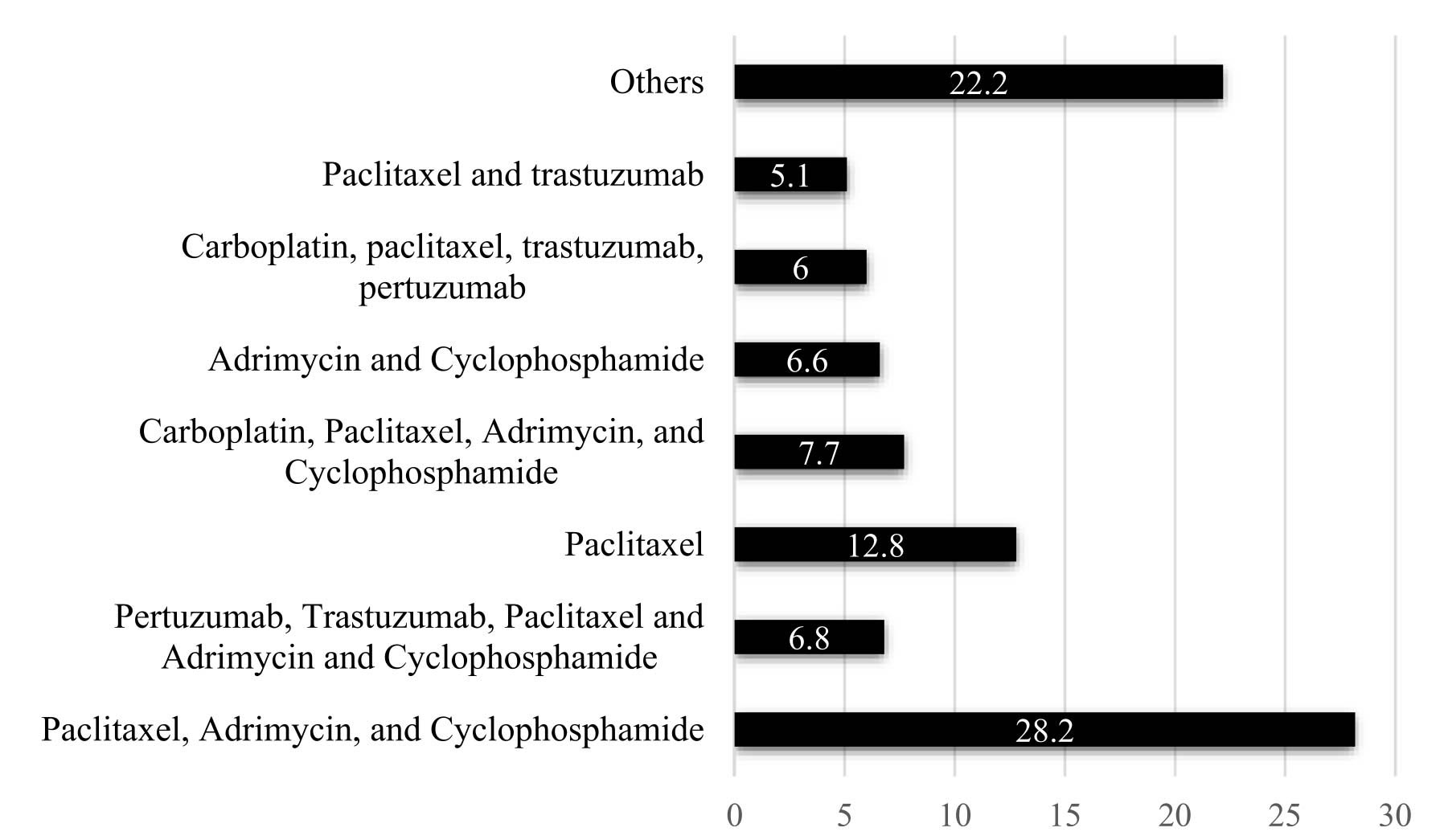
Figure 1. Most common chemotherapy treatment (%).
Foot health problems: structural, nail, skin, and neuropathic origin
Results: At least 1 structural pathology of the forefoot was found in 85.5% of the participants—hallux valgus was most prevalent (74.4%), followed by claw toes (53%). Regarding the hindfoot, 12.8% developed plantar fasciitis. Most of the participants had at least 1 nail pathology (91.5%) and/or skin pathology (88%). Color change in the nail plate was the most prevalent (59.8%), such as diffuse melanonychia (41.9%). Regarding skin pathology, it is worth highlighting problems associated with dryness and higher-pressure points, such as xerosis (62.4%) and hyperkeratosis (65.8%). Additionally, 35.9% of the participants presented with hand-foot syndrome.
Discussion: Different toxicities of chemotherapy have been well studied in the literature and present implications on QoL, and most of them have repercussions on foot health This is the case of hand-foot syndrome, described as the adverse effect that most strongly impacts QoL among the cutaneous effects described. It is essential to identify and manage skin problems, not only to ensure QoL in this patient population, but also so that treatment dose modifications are minimal.
Results: Regarding peripheral neuropathy and associated symptoms, 56% reported having tingling in the feet, 25.6% stiffness, and 7.7% a feeling of imbalance because of chemotherapy treatment. According to the World Health Organization Scale for the study of peripheral neuropathy, 38.5% presented a grade 2, which implies that the pain interfered with the person’s functionality. Sensitivity assessment using monofilament showed that about 25% had no sensitivity in any of the points studied.
Discussion: There is a lack of research that attempts to discover how peripheral neuropathy triggers biomechanical or other problems, as well as a lack of research regarding structural and/or biomechanical foot pathologies in this patient population.
Results: The Foot Posture Index revealed the majority had a pronated foot position (67.5% left, 66.7% right). According to the Clarke and Chippaux-Smirak angle, the footprints were mostly normal (62.9% left, 62.1% right; 62.1% left, 71.6% right, respectively). Considering the Staheli Index, the majority were cavus (56.4% left, 49.1% right).
Foot health, health-related QoL, foot functionality, and pain were studied with the FHSQ and FFI. Regarding pain, 77.8% presented some degree of pain in their feet. Usually, the pain was at nail level (15.4%), at plantar and nail level (14.5%), in the forefoot (12.8%), at plantar level (11.1%), and metatarsal (9.4%).
According to the FHSQ, the domains with the highest and lowest average scores were foot function (76.0(22.8)) and footwear (30.6(33.5)), respectively. In total, 20.5% received pharmacological treatment for neuropathic pain, 17.1% received topical foot creams, and 6.8% required oral antibiotics due to foot infections. It is important to note that 45 people needed to delay or stop chemotherapy and 2 had to reduce their dose. Of this number, 17 people had these treatment changes due to foot health problems.
Another highlighted point was that 50.4% presented difficulties in finding shoes that do not trigger pain. Likewise, 56.4% participants identified their foot health as fair or poor, and felt limited in walking (65.8%). Finally, the majority had limitations to carry out intense efforts (90.6%) and activities such as cleaning, walking, and day-to-day activities (88.9%).
Discussion: The deterioration of foot health and its corresponding QoL is also associated with aging, yet the patient population studied has a young average age in which no podiatric problems are expected. However, it is known that in the general population, women have a higher risk of experiencing foot health problems. Further, because other studies have already indicated the association of poor foot health with psychological and emotional problems, increasing scores of stress and depression, it is important to consider the significant effect that physical activity has on the emotional and psychological health of people with breast cancer

Conclusion
A better understanding of the importance of this topic starts from being aware that adequate foot health allows for walking and leading an active lifestyle, and is therefore a determinant of health. Podiatric problems represent an important health problem in women with breast cancer who receive chemotherapy treatment. The high prevalence of nail, skin, biomechanical, and neuropathic disorders is striking, being the cause in over a third of the sample of the reduction or suspension of treatment. The results presented call for further research to contribute to the care and wellbeing of people with cancer undergoing treatments such as chemotherapy. Thus, this line of research is a new path to be developed by the podiatry community.
This article has been excerpted from “Foot health and quality of life in women with breast cancer undergoing chemotherapy: a cross-sectional study.” J Foot Ankle Res 16, 52 (2023). https://doi.org/10.1186/s13047-023-00650-y. Editing has occurred, including the renumbering of tables, and references have been removed for brevity. Use is per CC Attribution 4.0 International License.