







 By Richard Blake, DPM
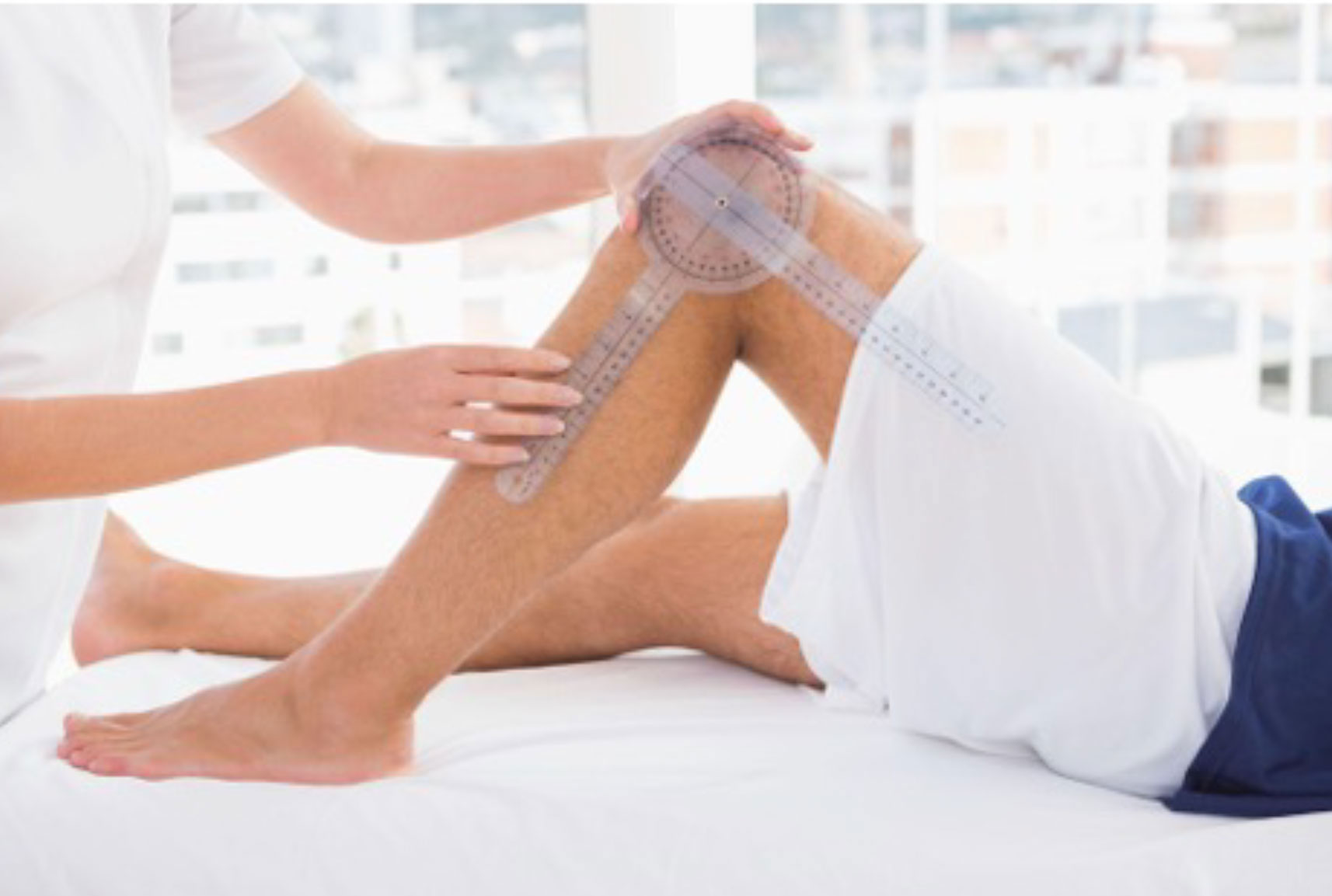
Whatever your base in Biomechanics, whether it is Root based or not, there are basic biomechanics that should be taught in all podiatry schools. Chapter 4 will go over the basic components of a podiatric biomechanical examination that I find most useful day to day treating patients. You may have other techniques of value to you in helping patients. The physical examination findings in biomechanics are only useful if you use them. Students should practice the exam techniques to develop reliability in their hands and then check with others. We are trying, of course, to make a diagnosis and reverse the stresses on that structure. And, there are so many ways to do it, but we have to be thinking of the possible mechanics involved. The general biomechanics listed here will be re-emphasized in the chapters on individual patient problems, like sesamoiditis. The basic requirements of knowing a patient’s biomechanics concerns the following:
- Are the joints involved over flexible or too limited/dysfunctional?
- Are the tendons surrounding the sore area strong enough to help the rehabilitation?
- Are the bones involved in a good position, or out of normal position (stacked up correctly)?
- Do the overall lower extremity biomechanics somehow put stress on the injured area?
- How do the biomechanics of the injured area somehow put stress on the injury?
In the practice of biomechanics, there is no definite time frame of discovery. The two patient examples below could not walk at their first visit, so not a lot of biomechanical data could be collected. The full biomechanical exam, which I still do at times of non-acute orthotic workups, should not be the only time biomechanics is investigated. You will be making biomechanical observations, and biomechanical treatments, throughout your whole intervention with the patient, which sometimes takes months. Look at how biomechanics is used from day one for the two patients below.
Measure Early and Often
Let us use an example of how this works. Your historical review of a patient showed an acute injury to the big toe joint. The patient had swelling, pain on the tibial sesamoid, and the inability to walk which dictated that you place them in Phase I of Rehabilitation, the Immobilization Phase. So, you place the patient in a removable boot, start them icing and contrast bathing, get X-rays which are inconclusive, and consider an MRI based on how the patient is doing at 2 or 4 weeks.
The sesamoid pain and inability to walk demand the tentative diagnosis of sesamoid stress fracture as you have to take the side of caution when a possible severe injury presents. You cannot get anything about the overall biomechanics from gait at this time, but you can examine the big toe joint for its mechanics. You find an incredibly plantarflexed first metatarsal, normal extensor and flexor strength, a negative Lachman maneuver for joint instability, but a loose midfoot suggesting the possibility of pronatory instabilities. When a patient pronates onto a plantarflexed first metatarsal there is an overload of big toe joint tissue. You place a ¼-inch dancer’s pad in the removable boot to start protecting the sesamoid even in Phase I. Remember you must attempt to get the pain between 0-2 at every level of rehabilitation as soon as you can. You will be designing an insert with arch support and sesamoid relief (called dancer’s padding) during the middle of Phase 1 so it is ready as you enter Phase 2, the Re-Strengthening Phase.
You are thinking through the biomechanics right from the start. You will need the patient, whom you will be seeing a lot of, to bring in old running shoes to see the wear patterns, and you can question them regarding their previous knowledge of their biomechanics, and tight calves or hamstrings. An equinus force can place incredible force downward onto the metatarsals.
Practical Biomechanics Question #56: From the first visit with a patient, getting some handle on the overall mechanical problems and specific biomechanics of the area involved is important. How does a patient with acute sesamoid pain and a plantar flexed first metatarsal get treated in a removable boot ideally?
…To learn about the second patient, an avid hiker with right metatarsal pain, check out Dr. Blake’s book, page 40.
Richard Blake, DPM, MS, is adjunct faculty at the California School of Podiatric Medicine. He has practiced podiatry at the Sports and Orthopedic Institute of St. Francis Memorial Hospital in San Francisco, CA. His book, Practical Biomechanics for the Podiatrist, Book 1, is available from Amazon.com and Barnesandnoble.com, as well as from the publisher at bookbaby.com. The is excerpt appears with his permission.