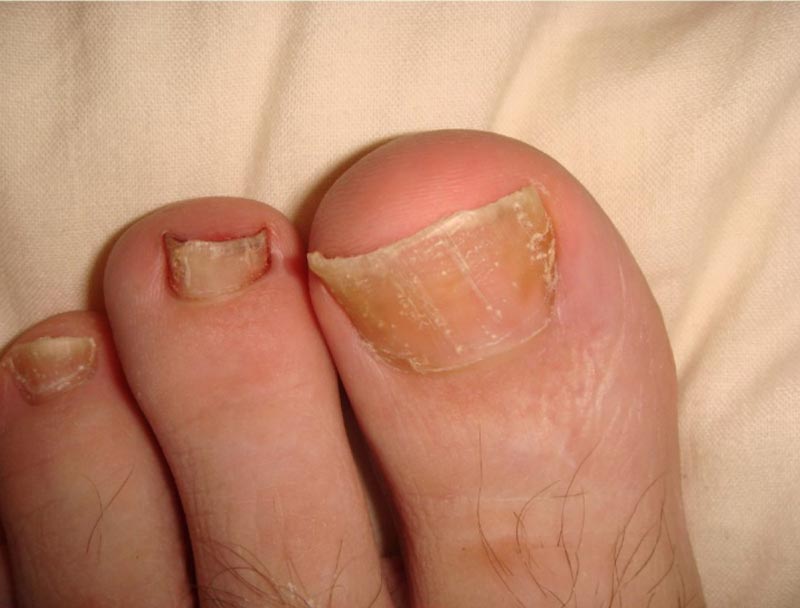








 Psoriasis is known to involve the nails in nearly 90% of affected patients and can cause significant changes to the nails including pitting, onycholysis, subungual hyperkeratosis, discoloration, and onchomycosis. Like other autoimmune diseases, treatment for nail psoriasis (NP) must be customized to the individual. Common treatments include steroid creams, vitamin D analogue, steroid injections, nail removal, and for severe cases, systemic treatments. With its bimodal age incidence–peaking at age 30–39 and 60–69 years, it becomes an important disease in older adults. Yet it is unclear if therapeutic safety and efficacy data from clinical trials for NP is applicable to this patient group.
In a recent Letter to the Editor in the International Journal of Dermatology, 2 physicians from the Department of Dermatology at Weill Cornell Medicine in New York, reported on a subanalysis of a systematic review looking at the ethnoracial composition of NP patients in randomized clinical trials. Their findings show that patients over age 65 are not fully represented in clinical trials, with the average percentage of older adults participating in the studies was 5.8%. Key challenges to study participation were age, comorbidities, and the receipt of systemic therapy.
In calling for the need to include older adults in clinical trials, the authors noted the need for specific population-based subanalyses for efficacy, safety, toxicity, and drug interactions.
Source: Ricardo JW, Lipner SR. Where are the older adults? Age distribution of nail psoriasis randomized clinical trials’ participants: a systematic review. Int J Derm. 2022;61:c363.