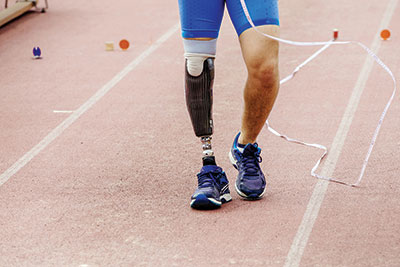
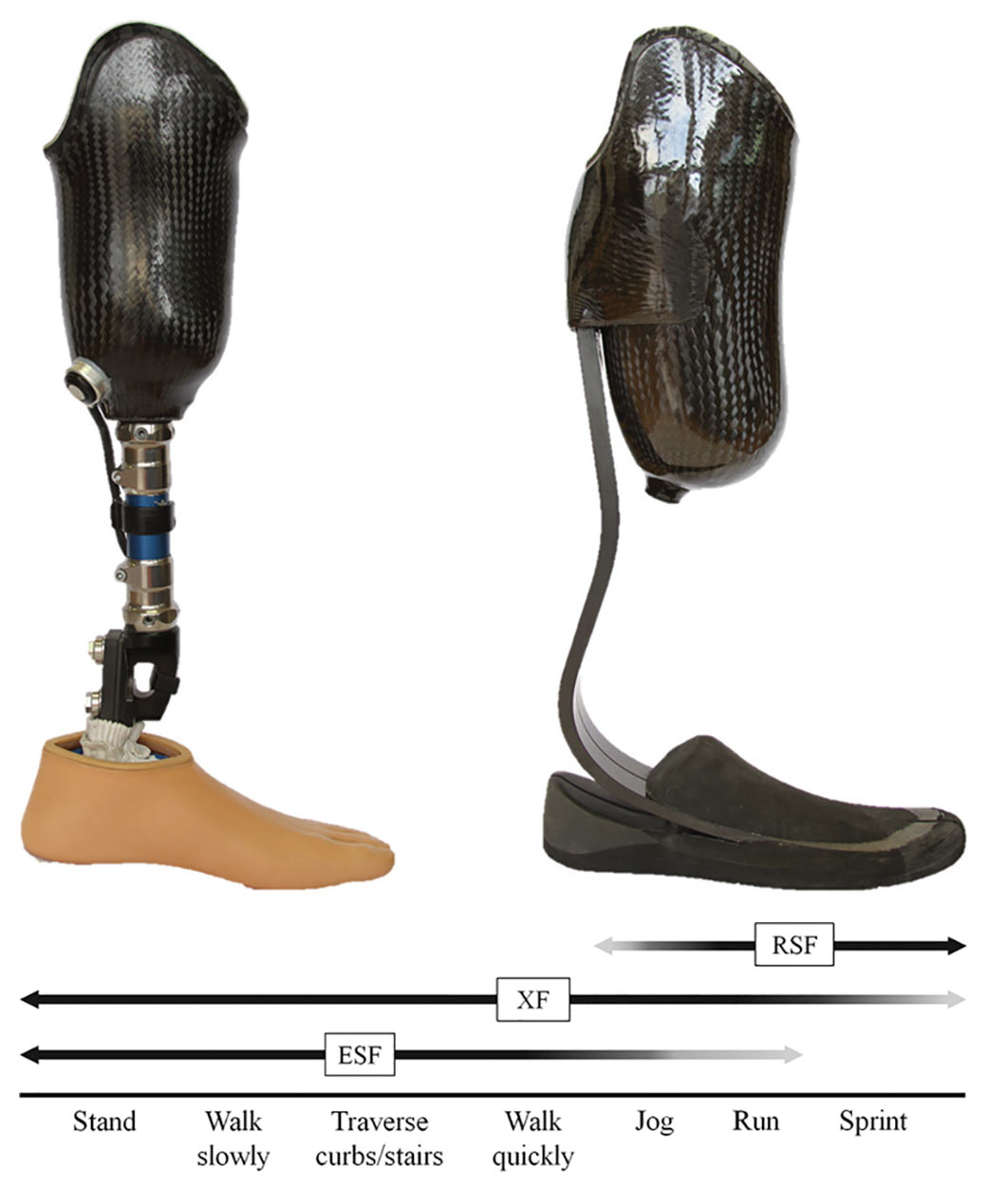
Prosthetic feet are typically optimized for a narrow range of activities, meaning active prosthetic users may need more than 1 prosthesis to fully participate in activities with varying degrees of impact. Modern energy-storing feet (ESF) support users’ ability to walk at differing speeds, as well as support static standing, but they can limit aerobic activities and running speeds. Running-specific feet (RSF), while ideal for running and sprinting, do not support low impact activities, particularly standing or walking.
Lower Extremity Review
Post-operative complications after Achilles tendon rupture repair
Achilles tendon rupture (ATR) is one of the most common injuries resulting from sports and exercise activities. Its resulting functional deficits can last more than 2 years from the original injury. While traditionally it has been an injury seen more among men, prevalence among women has been increasing, most likely due to increased participation in recreational sports.
Low-cost trans-femoral prosthesis uses plantar insole sensors
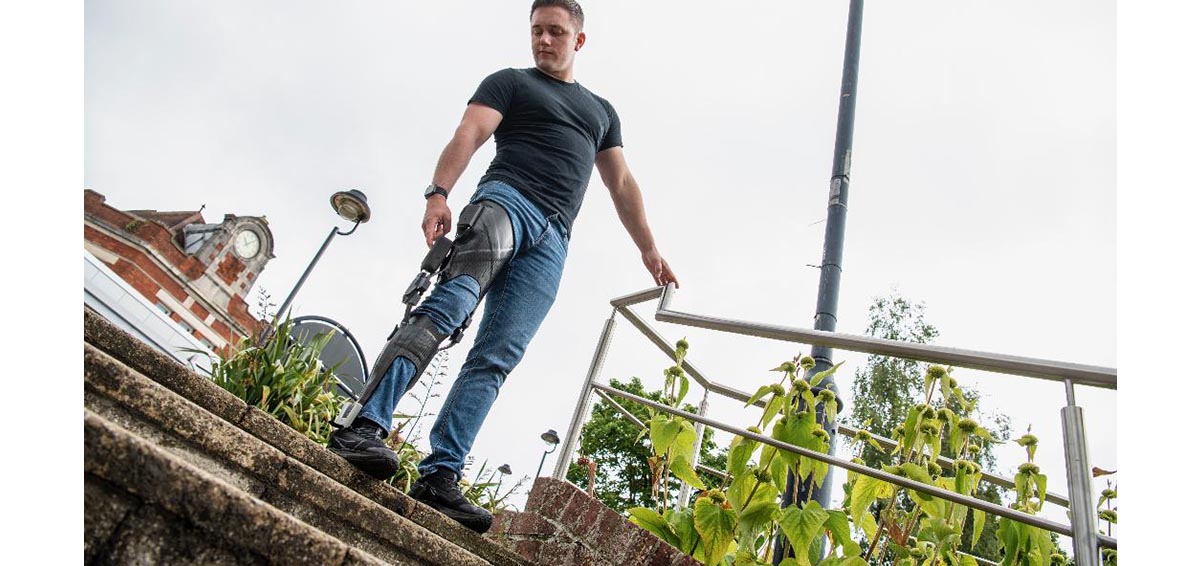
Indian researchers have designed a trans-femoral prothesis with plantar insole sensors that they found allow users to achieve near able-bodied gait kinematics. The passive prosthesis uses a magneto-rheological (MR) damping system with electronic control based on plantar insole feedback
Supportive footwear for children with CMT
The effect of footwear on gait and balance of children and adolescents with Charcot-Marie-Tooth (CMT) disease is of interest to parents and clinicians. Children with CMT, which causes progressive damage to peripheral nerves, particularly the feet and ankles, often have gait difficulties due to muscle weakness, including problems with balance, resulting in falls.
Study assesses role of corticosteroid therapy in Achilles tendinopathy
Achilles tendinopathy is the most common overuse injury in sport, and it is common in non-athletes as well. High volume image guided injection and structured rehabilitation (HVIGI+SR) has been shown in repeated studies to provide significant improvement in…
Study finds little difference between DMO and PMO for hallux valgus
Guiding patients to make the most appropriate choice among options to correct hallux valgus has long been a challenge: Distal metatarsal osteotomy (DMO) is liked for its shorter incision, low level of invasiveness, lower complication rate, and its ability to improve pain and functionality across a wider range of deformities.
Center of pressure in normal, pes planus, and pes cavus feet
To better understand the association of non-normal foot postures with an increased risk of injury to the lower extremity, Australian researchers evaluated center of pressure (COP) in adults with pes planus, pes cavus, or normal feet.
Midfoot mobility and patellofemoral pain
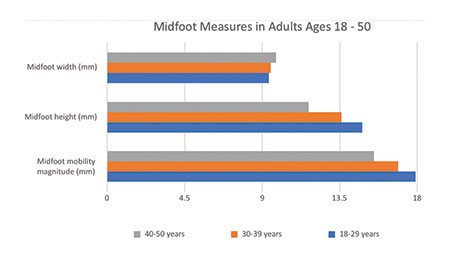
Seeking to better understand foot mobility in adults with patellofemoral pain (PFP, or so-called runner’s knee), Australian researchers studied almost 200 adults aged 18 to 50 years. Both weight-bearing and non-weight-bearing measures were used to calculate…
Foot pain, ill-fitted footwear increase risk of falls in elderly
Foot pain and poor-fitting footwear are among the well-known risk factors for falls among the elderly. Two new studies from Spain sought to quantify the significance of these issues in the elderly by looking at lesser toe deformities (LTD) in a general population, and footwear fit among those with Alzheimer’s disease.
Reliability of FPI-6 in older adults warrants caution
Because it uses 6 items to quantify and classify foot pressure, the Foot Pressure Index-6 (FPI-6) is considered a more complete measure than many others. The FPI-6 has been validated for use with adults aged 18 to 57, where it can play a role in identifying risk factors for sports and training injuries.
Neuromuscular training in high-risk female adolescent athletes
Noting that an up to 10-fold increased risk of injury has been demonstrated in female athletes compared with male athletes, particularly for anterior cruciate ligament (ACL) sprains, patellofemoral pain, and ankle injuries, researchers sought to evaluate the effects of…
How might power training improve gait in older adults?
Building on previous data that tentatively supports the possibility that power training could induce changes in neuromuscular activation during level walking in older adults, researchers tested the effects of a 10-week…
Effects of running-specific prostheses at varying speeds
Most previous studies on running mechanics in amputees have used prostheses originally designed for walking, and those that have looked at running mechanics using prostheses designed for running have focused on sprinting.
Join
Subscribe For Updates
Stay in the loop with the latest news and updates! Subscribe now to receive exclusive content, special offers, and important announcements straight to your inbox. Don’t miss out – join our community today for all the latest updates delivered directly to you.