The author explores the sensory aspects of the foot, and footwear, on patient movement accuracy, joint stabilization, and perception of pain. An integrative approach to the dynamics of human movement is discussed.
By Emily Splichal, DPM

Lower Extremity Review

The author explores the sensory aspects of the foot, and footwear, on patient movement accuracy, joint stabilization, and perception of pain. An integrative approach to the dynamics of human movement is discussed.
By Emily Splichal, DPM

Given that many uninjured, successful athletes have some degree of asymmetry, how do clinicians interpret asymmetry in athletes recovering from injury?
By Cary Groner
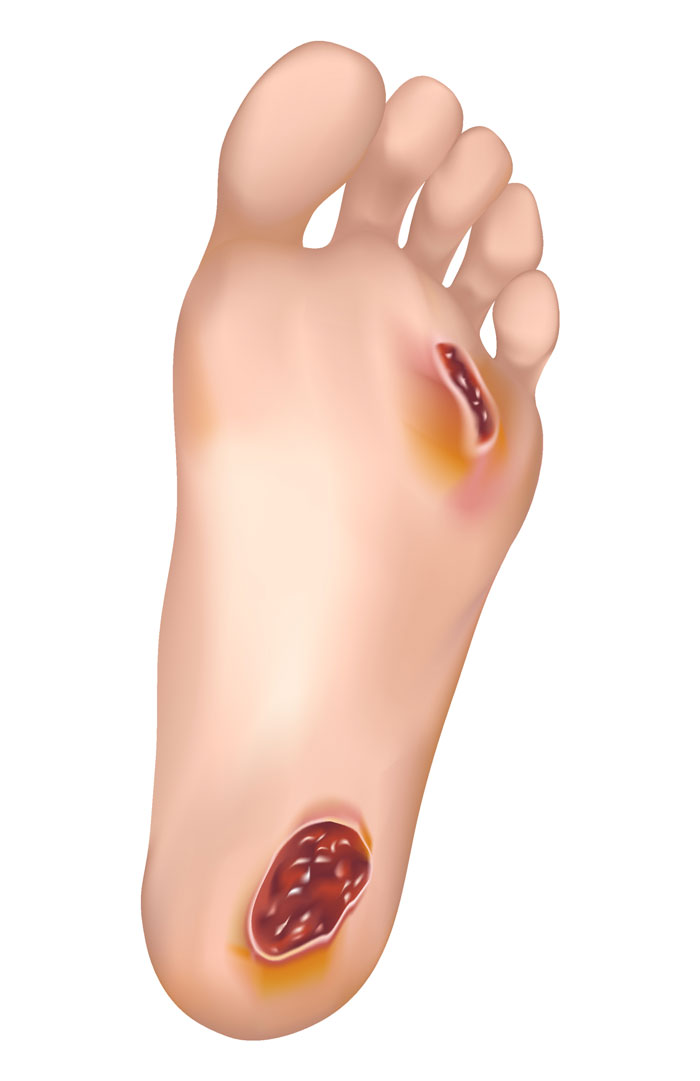
Patient adherence to consistent use of removeable offloading and immobilization devices is central to promote healing and prevent infection in diabetic foot ulcers, yet the tradeoff of removability easily compromises adherence. Choosing and customizing the right device is key.
By Barbara Boughton

Sport-specific shoes may protect athletes from injury or enhance their performance. Do specialty weightlifting shoes offer these same benefits? What effect do the shoes have on posture, rearfoot force production, ankle range of motion, the ability to bend the knee deeply, and other parameters? Research is mixed.
By Jill R. Dorson

In a study of collegiate football players, who are at high risk of tinea pedis due to their training environment, copper-impregnated socks were associated with a high rate of tinea pedis symptom resolution and a low rate of new cases—supporting claims of the socks’ antifungal potential.
By Gary M. Rothenberg, DPM, CDE, CWS

The author applies his experience designing ankle foot orthoses to propose that, instead of using diagnostic language to describe medial column ligamentous failure, practitioners learn a new, descriptive language to understand the nature of a patient’s pathology.
By Ian Engelman, MS, CPO
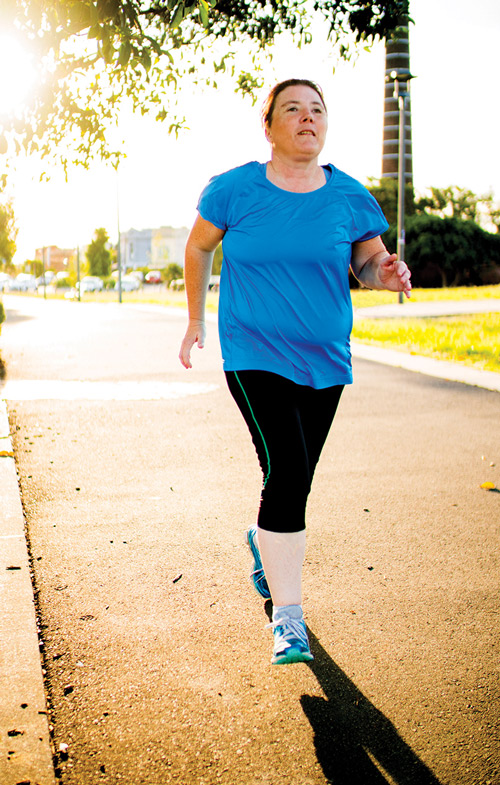
Strategies to help patients lose weight and become active after surgery need to be individualized, multifaceted, and reinforced long-term. Many people who suffer from chronic joint pain are unable to exercise; as a result of this inactivity, they gain weight, which…
By Keith Loria
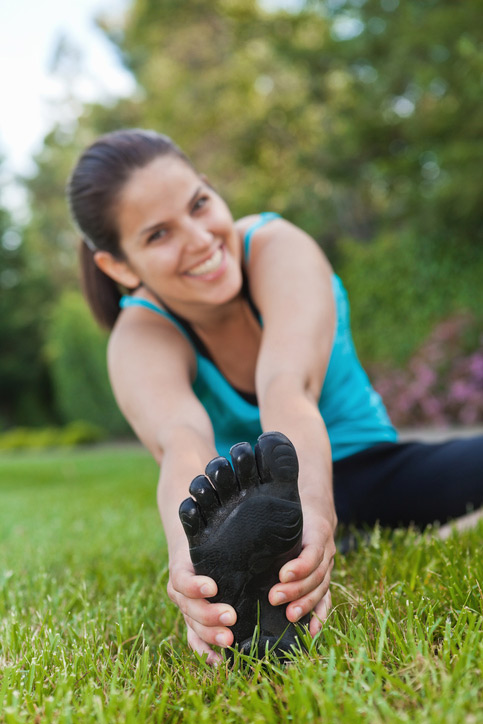
Improvement in abductor hallucis muscle size associated with a gradual transition to minimalist running shoes suggests that this type of strength-based approach can help improve foot structure and stability, which may…
By Nicholas A. Campitelli, DPM, FACFAS; and Scott A. Spencer, DPM
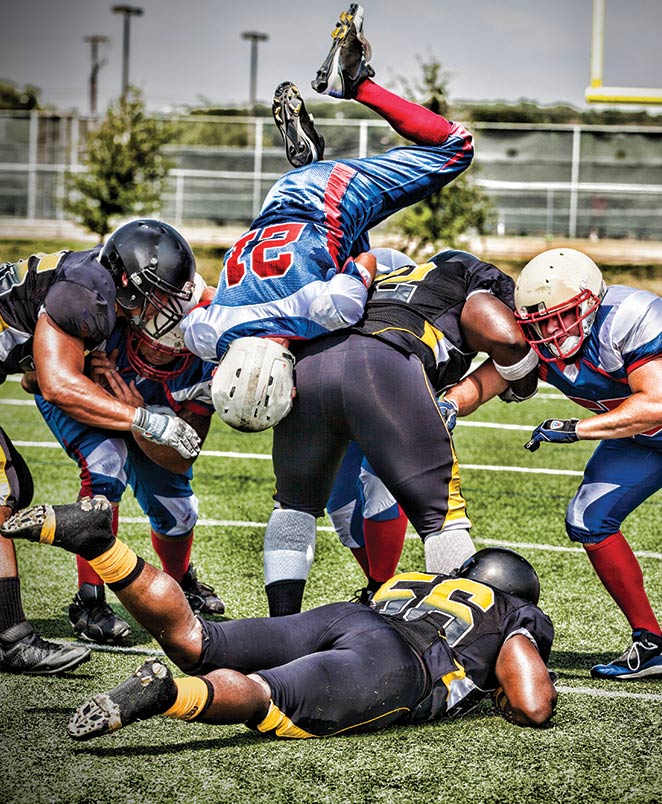
As a growing number of studies report associations between concussion and musculoskeletal injury risk, new research suggests concussed athletes may also have an increased risk of osteoarthritis later in life.
By Robert C. Lynall, PhD, ATC; Timothy C. Mauntel, PhD, ATC; David R. Howell, PhD, ATC; and Thomas A. Buckley, EdD, ATC

Because footwear alters sensory perception, research examining the role of cutaneous feedback in barefoot running may provide important insight related to some of the gait changes that occur in patients with…
By Melissa Thompson, PhD, and Kristine Hoffman, DPM, FACFAS
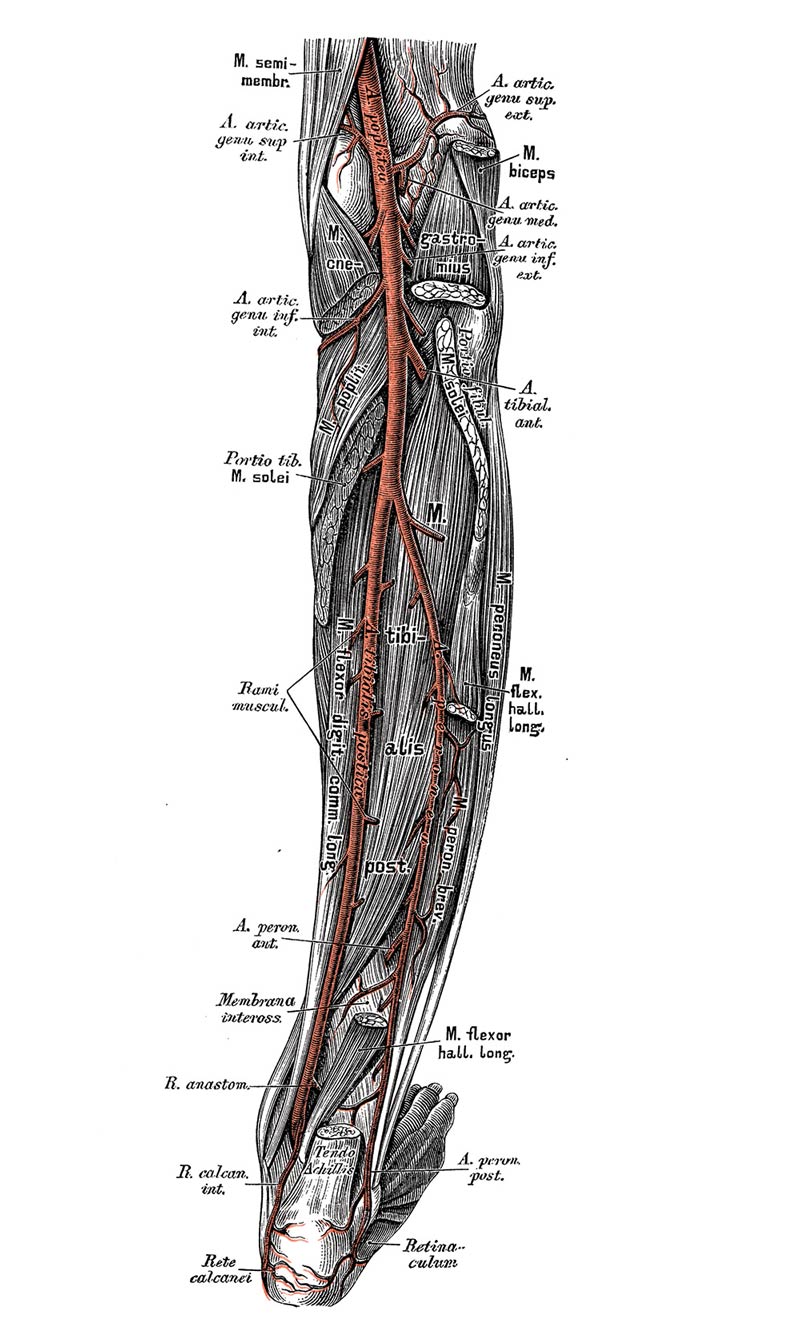
Lower extremity clinicians say ankle foot orthoses, rocker-soled shoes, and other orthotic interventions can benefit patients with peripheral arterial disease and intermittent claudication by making it easier for them to exercise, and research is starting to demonstrate these benefits.
By Shalmali Pal
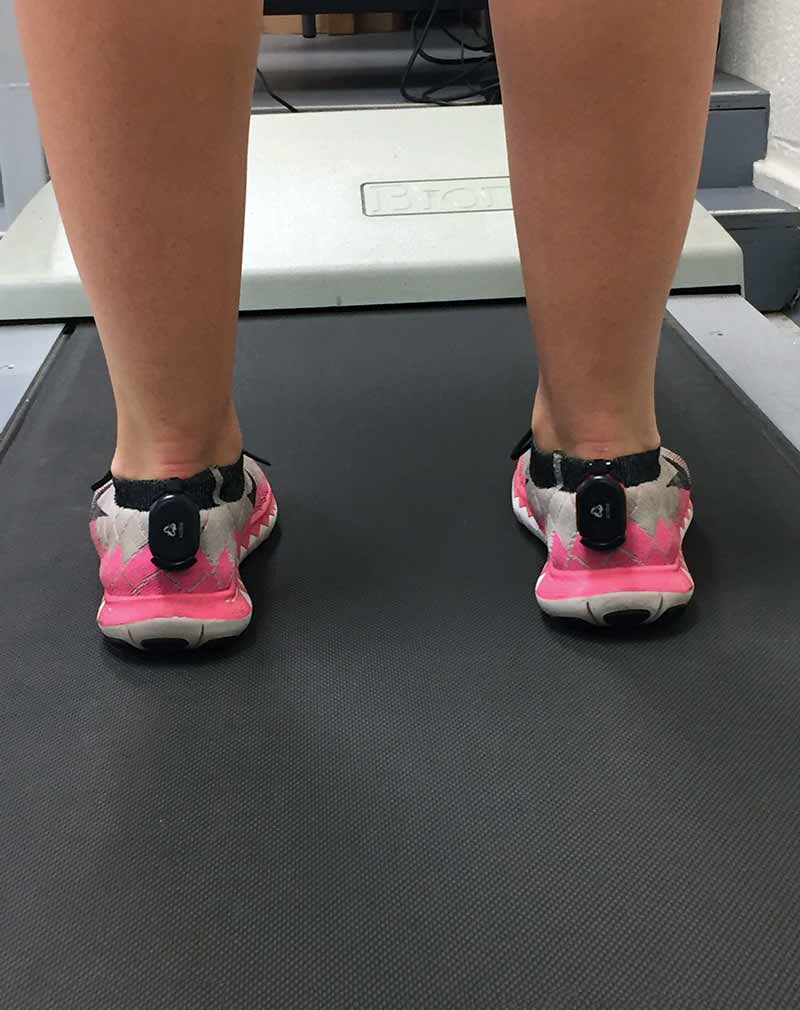
Wearable sensors allow for the collection of running biomechanics data outside the laboratory in natural training environments, enabling clinicians to collect a large volume of information in a relatively short time to help identify and manage individuals who may be at risk for running-related injuries.
By Rachel Koldenhoven, MEd, ATC; and Alex DeJong, MEd, ATC

It’s not unusual for any practitioner to experience complicated emotions when a death or a terminal diagnosis disrupts the personal bond forged with a patient over many years, but experts say lower extremity clinicians often are not well equipped to deal with these emotions.
By Emily Delzell

Clinicians in areas affected by hurricanes Harvey and Irma were prepared for issues involving preexisting lower extremity concerns, but were surprised by the number of cases they saw in the storm’s aftermath involving healthy people trying to function under extraordinary conditions.
By Nancy Shohet West
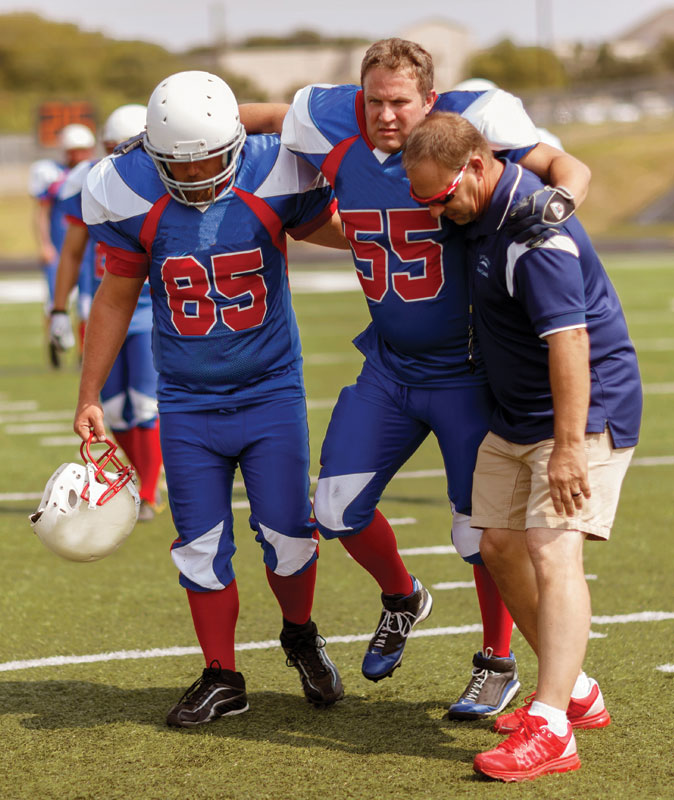
High ankle sprains in collegiate athletes differ from lateral or medial ankle sprains in multiple clinically relevant ways. These include loss of sports participation time, mechanism of injury, rates of injury during competition versus practices, and the possible long-term risk of osteoarthritis.
By Timothy C. Mauntel, PhD, ATC; and Zachary Y. Kerr, PhD, MPH
Join
Stay in the loop with the latest news and updates! Subscribe now to receive exclusive content, special offers, and important announcements straight to your inbox. Don’t miss out – join our community today for all the latest updates delivered directly to you.