All the countries in the world share the challenge of keeping athletes healthy, and in April, sports medicine experts from across the globe met in Monaco to discuss the best ways to address those challenges at the IOC World Conference on Prevention of Injury & Illness in Sport. LER’s exclusive coverage of this event details clinical and scientific progress toward prevention of lower extremity injuries from ankle sprains to hamstring strains.
By Jordana Bieze Foster
Sponsored by an educational grant from…


Even if an injury prevention program is effective under controlled study conditions, that effectiveness doesn’t always translate to the real world. That’s why some researchers are now working to identify the most effective strategies for implementing prevention programs and the most common barriers to implementation.

Sports specialization and high weekly training volumes are associated with increased risk of injury in youth athletes, according to research from Loyola University in Chicago.

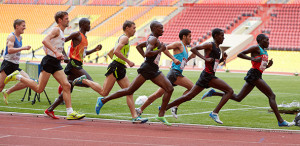
Runners today aren’t like the runners of the 1970s. They’re far less likely to be male, thin, or dedicated to the sport. And yet, the medical literature suggests that running injury rates are essentially unchanged.

Two hours of patient education before anterior cruciate ligament (ACL) reconstruction can significantly reduce rates of reinjury in the first year after surgery, according to research from Funabashi Orthopedic Hospital in Japan.

Research is accumulating in support of eccentric strengthening exercises to prevent hamstring injury in soccer players, and possibly to screen for athletes at risk, according to several studies presented at the IOC conference in Monaco.

Using ultrasound tissue characterization (UTC) to monitor tendon load in Australian Football League players has led to no games missed due to patellar tendinopathy in four years, according to Sam Rosengarten, a sports physiotherapist at Recover Sports Medicine in Melbourne who has worked most recently with the Carlton Football Club.

Poor dynamic ankle stability is predictive of injury risk in athletes, but exercises designed to improve dynamic balance may not be effective in athletes with chronic ankle instability, according to separate studies presented at the IOC conference in Monaco.

A presenter from Norway gave IOC conference attendees a sneak peek at his group’s latest findings and generated considerable discussion by suggesting that many aspects of drop-landing mechanics are not predictive of anterior cruciate ligament (ACL) injury in elite female athletes.